Cambodia Rolls Out Senior Battlefield Commanders as Border Tensions With Thailand Deepen
The re-emergence of two top Cambodian generals, coupled with Thailand’s hardened military posture and widening clashes, signals a dangerous escalation along the border.
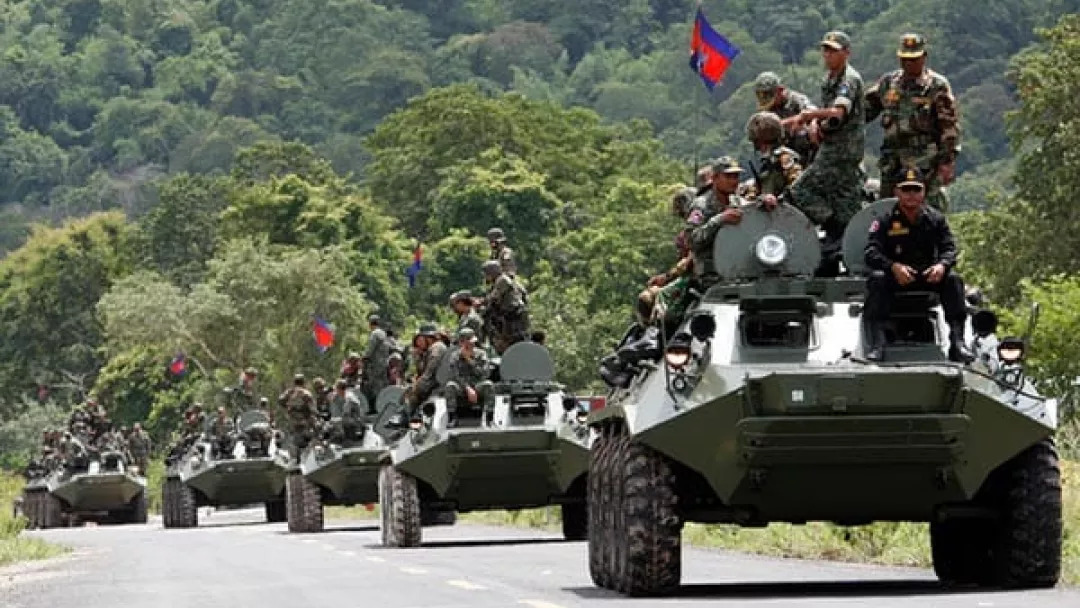
One of the clearest signals that Cambodia is preparing for a prolonged confrontation with Thailand came with the first public appearance in four months of Lieutenant General Sray Deuk, deputy army commander and head of the 3rd Support Division, on Wednesday, December 3.
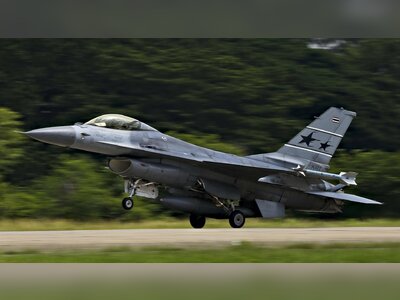
His return to the spotlight followed persistent reports that he had been killed in Thai F-16 air strikes during heavy fighting along the frontier between July 24 and 28.
Sray Deuk is widely viewed as one of Hun Sen’s most trusted battlefield lieutenants, receiving instructions directly from the Senate president and former prime minister.
Also stepping back into view is General Hing Bun Heang, who commands Cambodia’s Bodyguard Headquarters, a core security unit around the country’s leadership.
Cambodian online outlets have prominently carried images and accounts confirming that Sray Deuk is alive, showing him alongside General Mao Sophan, deputy commander-in-chief and army commander, and Kim Rithy, governor of Preah Vihear province.
The three were reported to have joined Prince Men Sam Orn, a senior adviser to the King, for a meeting at the headquarters of the 9th Support Brigade in Choam Khsant district, Preah Vihear.
The base is located roughly 25 kilometres south of Chong Bok, across from Nam Yuen district in Thailand’s Ubon Ratchathani province.
On the eve of the latest clash, on Saturday, December 6, Sray Deuk and Hing Bun Heang accompanied Deputy Prime Minister Hun Many on a visit to the Preah Vihear border zone, where they distributed supplies and sought to lift the morale of troops stationed on the front line.
Another factor feeding into the present standoff is Cambodia’s recent setback at the 22nd Meeting of the States Parties to the Anti-Personnel Mine Ban Convention, also known as the Ottawa Convention, at the United Nations.
During that gathering, Foreign Minister Sihasak Phuangketkeow and his delegation presented video footage that, they said, showed Cambodian soldiers secretly planting anti-personnel mines inside Thai territory in incidents that cost seven Thai soldiers their legs.
The presentation was aimed at challenging Phnom Penh’s portrayal of Thailand as a larger power bullying a smaller neighbour.
On the Thai side, the military leadership has responded by stiffening its stance.
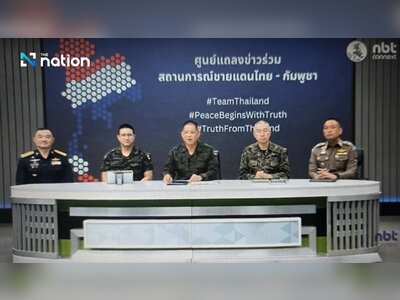
Army commander-in-chief General Phana Klaewplodthuk has ordered full combat readiness, directing units in all Army regions to be prepared to support the 2nd Army Area in ongoing operations.
"If we fight, we must win, and we must stay safe.
If we win the battle but our men suffer heavy losses and civilians are not safe, that is unacceptable.
Everyone must be kept safe, the mission must succeed, and damage must be kept to an absolute minimum," the Army chief declared.
That philosophy underpins the work of Army chief-of-staff General Chaiyapruek Duangprapat, who has been instructed to revise the Chakrabhongse Bhuvanath operational plan after earlier rounds of fighting failed to neutralise Cambodia’s ability to mount a significant military threat.
"The objective is for the Army to render Cambodia’s military capability ineffective for a long time to come, for the safety of our children and grandchildren," he was quoted as saying.
In the latest phase of clashes, Thai planners are concentrating on securing three strategic areas in a decisive way: Hill 350 and Prasat Ta Kwai in Phanom Dong Rak district; Prasat Khana in Kap Choeng district of Surin province; and Huai Ta Maria, near Phu Makua in Si Sa Ket.
Air strikes are being used to saturate and clear key positions ahead of advancing ground forces.
A source within the 2nd Army Area said Cambodia’s command structure differs fundamentally from Thailand’s.
While Thai units operate within a defined chain of command, all critical military decisions on the Cambodian side are said to be taken personally by Hun Sen.
According to the source, the figures he relies on most in the field are Sray Deuk and Hing Bun Heang, which helps explain why Cambodian front-line units and decision-makers can behave in ways that appear difficult to predict.
The source added that Hun Sen employs an "old communist-style" centralised model of power, with few formal procedures or institutional checks, and instead leans heavily on individual experience, including intimate knowledge of local terrain and jungle warfare.
On the Thai side, the same source noted, the realities of combat in rugged forest and mountain landscapes often make it impossible to follow textbook training.
Both militaries must continually adapt on the ground, combining conventional manoeuvres with intelligence-led operations, strategic planning and the deployment of more advanced equipment.
"What makes this difficult is that we still cannot read Hun Sen’s game.
We do not know exactly what he is thinking, or what his front-line troops are thinking.
We have to assess the situation day by day.
Hun Sen lives in an older world; he thinks for himself and sets the entire game himself," the 2nd Army source said.
Clashes between Thailand and Cambodia are continuing and expanding.
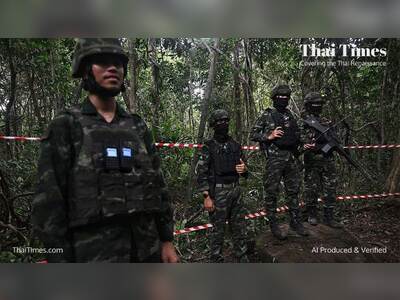
Fighting that began in the 2nd Army Area has spread into the 1st Army Area, affecting the villages of Nong Chan and Nong Ya Kaeo in Khok Sung district of Sa Kaeo province, where units from both countries are now in a tense stand-off.
Military observers expect the zone of confrontation to push further towards the Border Defence Command covering Chanthaburi and Trat provinces, areas under the responsibility of the Royal Thai Navy.
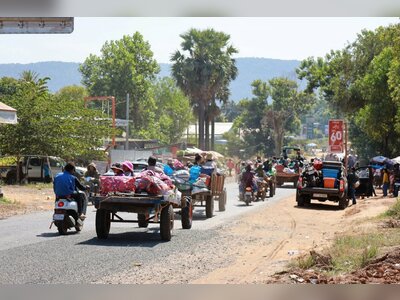
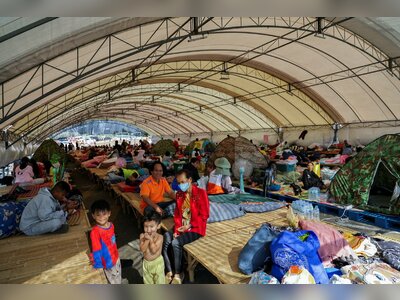
Evacuation of civilians from high-risk zones is already in progress.
Prime Minister Anutin Charnvirakul, who has repeatedly voiced confidence in the professionalism and strength of the Thai armed forces, has sent an unambiguous political message: he wants the border dispute "swiftly closed," with no talks or concessions until Cambodia accepts Thailand’s terms in full.
His return to the spotlight followed persistent reports that he had been killed in Thai F-16 air strikes during heavy fighting along the frontier between July 24 and 28.
Sray Deuk is widely viewed as one of Hun Sen’s most trusted battlefield lieutenants, receiving instructions directly from the Senate president and former prime minister.
Also stepping back into view is General Hing Bun Heang, who commands Cambodia’s Bodyguard Headquarters, a core security unit around the country’s leadership.
Cambodian online outlets have prominently carried images and accounts confirming that Sray Deuk is alive, showing him alongside General Mao Sophan, deputy commander-in-chief and army commander, and Kim Rithy, governor of Preah Vihear province.
The three were reported to have joined Prince Men Sam Orn, a senior adviser to the King, for a meeting at the headquarters of the 9th Support Brigade in Choam Khsant district, Preah Vihear.
The base is located roughly 25 kilometres south of Chong Bok, across from Nam Yuen district in Thailand’s Ubon Ratchathani province.
On the eve of the latest clash, on Saturday, December 6, Sray Deuk and Hing Bun Heang accompanied Deputy Prime Minister Hun Many on a visit to the Preah Vihear border zone, where they distributed supplies and sought to lift the morale of troops stationed on the front line.
Another factor feeding into the present standoff is Cambodia’s recent setback at the 22nd Meeting of the States Parties to the Anti-Personnel Mine Ban Convention, also known as the Ottawa Convention, at the United Nations.
During that gathering, Foreign Minister Sihasak Phuangketkeow and his delegation presented video footage that, they said, showed Cambodian soldiers secretly planting anti-personnel mines inside Thai territory in incidents that cost seven Thai soldiers their legs.
The presentation was aimed at challenging Phnom Penh’s portrayal of Thailand as a larger power bullying a smaller neighbour.
On the Thai side, the military leadership has responded by stiffening its stance.
Army commander-in-chief General Phana Klaewplodthuk has ordered full combat readiness, directing units in all Army regions to be prepared to support the 2nd Army Area in ongoing operations.
"If we fight, we must win, and we must stay safe.
If we win the battle but our men suffer heavy losses and civilians are not safe, that is unacceptable.
Everyone must be kept safe, the mission must succeed, and damage must be kept to an absolute minimum," the Army chief declared.
That philosophy underpins the work of Army chief-of-staff General Chaiyapruek Duangprapat, who has been instructed to revise the Chakrabhongse Bhuvanath operational plan after earlier rounds of fighting failed to neutralise Cambodia’s ability to mount a significant military threat.
"The objective is for the Army to render Cambodia’s military capability ineffective for a long time to come, for the safety of our children and grandchildren," he was quoted as saying.
In the latest phase of clashes, Thai planners are concentrating on securing three strategic areas in a decisive way: Hill 350 and Prasat Ta Kwai in Phanom Dong Rak district; Prasat Khana in Kap Choeng district of Surin province; and Huai Ta Maria, near Phu Makua in Si Sa Ket.
Air strikes are being used to saturate and clear key positions ahead of advancing ground forces.
A source within the 2nd Army Area said Cambodia’s command structure differs fundamentally from Thailand’s.
While Thai units operate within a defined chain of command, all critical military decisions on the Cambodian side are said to be taken personally by Hun Sen.
According to the source, the figures he relies on most in the field are Sray Deuk and Hing Bun Heang, which helps explain why Cambodian front-line units and decision-makers can behave in ways that appear difficult to predict.
The source added that Hun Sen employs an "old communist-style" centralised model of power, with few formal procedures or institutional checks, and instead leans heavily on individual experience, including intimate knowledge of local terrain and jungle warfare.
On the Thai side, the same source noted, the realities of combat in rugged forest and mountain landscapes often make it impossible to follow textbook training.
Both militaries must continually adapt on the ground, combining conventional manoeuvres with intelligence-led operations, strategic planning and the deployment of more advanced equipment.
"What makes this difficult is that we still cannot read Hun Sen’s game.
We do not know exactly what he is thinking, or what his front-line troops are thinking.
We have to assess the situation day by day.
Hun Sen lives in an older world; he thinks for himself and sets the entire game himself," the 2nd Army source said.
Clashes between Thailand and Cambodia are continuing and expanding.
Fighting that began in the 2nd Army Area has spread into the 1st Army Area, affecting the villages of Nong Chan and Nong Ya Kaeo in Khok Sung district of Sa Kaeo province, where units from both countries are now in a tense stand-off.
Military observers expect the zone of confrontation to push further towards the Border Defence Command covering Chanthaburi and Trat provinces, areas under the responsibility of the Royal Thai Navy.
Evacuation of civilians from high-risk zones is already in progress.
Prime Minister Anutin Charnvirakul, who has repeatedly voiced confidence in the professionalism and strength of the Thai armed forces, has sent an unambiguous political message: he wants the border dispute "swiftly closed," with no talks or concessions until Cambodia accepts Thailand’s terms in full.