Thai Army Chief Vows to ‘Cripple’ Cambodia’s Military as Border War Intensifies
New air-strikes and public vow to neutralise threats mark a sharp turn in the Cambodia–Thailand conflict
Thailand’s army chief has declared that Bangkok intends to cripple Cambodia’s military capability to neutralise what it calls a long-term threat from its neighbour, bringing the border conflict to a new and perilous phase.
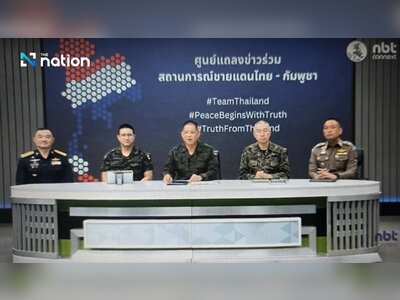
The statement by General Chaiyapruek Duangprapat underlines a dramatic escalation in military posture, raising the stakes for regional stability.
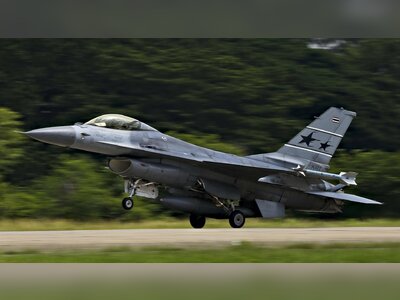
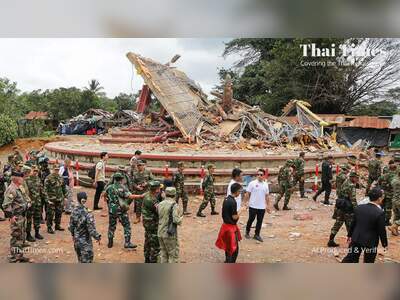
The vow comes in the wake of renewed fighting along the disputed border, where the Thai air force launched strikes targeting Cambodian military installations reportedly housing long-range rocket launchers.
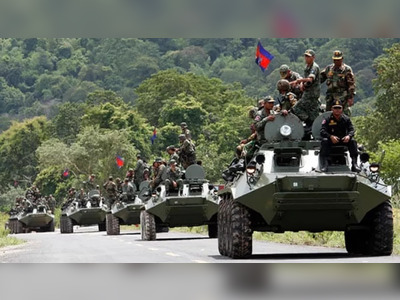
Thai officials said the strikes were necessary after Cambodian forces allegedly mobilised heavy weapons that could endanger Thai border communities.
Cambodian authorities immediately condemned the strikes as unprovoked aggression, asserting they had not initiated any offensive actions.
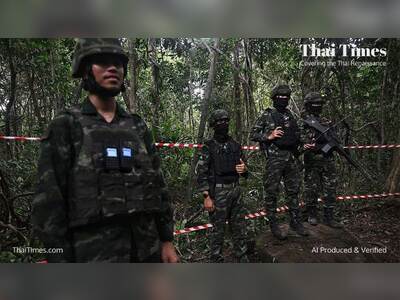
Casualties from the clashes include at least one Thai soldier killed and several wounded, along with multiple Cambodian civilian deaths.
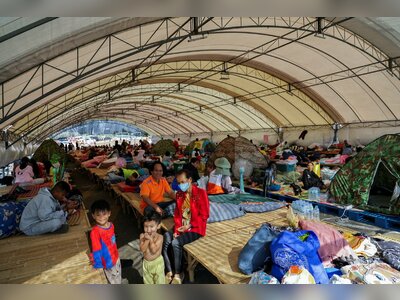
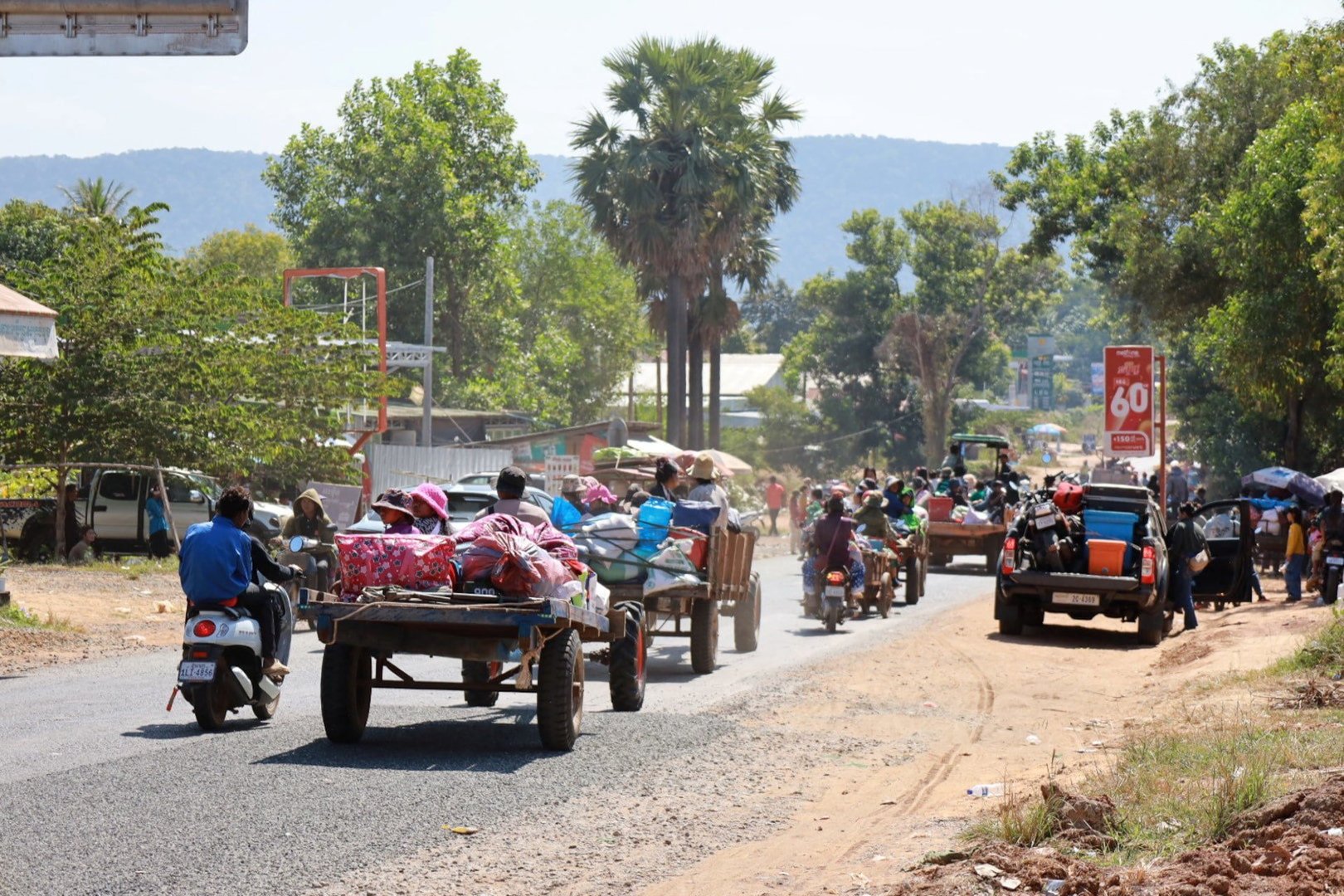
Tens of thousands of people have reportedly been displaced from villages on both sides of the border, with shelters hastily opened in safer zones.
The violence marks the most serious breakdown since a ceasefire signed three months ago collapsed following land-mine incidents and mutual accusations of ceasefire breaches.
General Chaiyapruek’s remarks — framed as a long-term plan to weaken Cambodia’s armed forces — signal a shift from reactive self-defence to proactive military strategy.
Thai officials argue the measure is intended to deter further aggression and protect sovereign territory and civilian lives.
Observers note the shift reflects deep mistrust and the failure of diplomatic efforts to produce lasting peace.
Diplomatic pressure is mounting: international calls for restraint and third-party mediation have grown louder as the risk of prolonged conflict increases.
Meanwhile, displaced communities continue to bear the humanitarian cost of an escalating war, underscoring the urgency for renewed dialogue or credible enforcement of ceasefire terms.
Until credible steps towards de-escalation are taken, the border region remains volatile — and the consequences for regional security and civilian safety uncertain.
The statement by General Chaiyapruek Duangprapat underlines a dramatic escalation in military posture, raising the stakes for regional stability.
The vow comes in the wake of renewed fighting along the disputed border, where the Thai air force launched strikes targeting Cambodian military installations reportedly housing long-range rocket launchers.
Thai officials said the strikes were necessary after Cambodian forces allegedly mobilised heavy weapons that could endanger Thai border communities.
Cambodian authorities immediately condemned the strikes as unprovoked aggression, asserting they had not initiated any offensive actions.
Casualties from the clashes include at least one Thai soldier killed and several wounded, along with multiple Cambodian civilian deaths.
Tens of thousands of people have reportedly been displaced from villages on both sides of the border, with shelters hastily opened in safer zones.
The violence marks the most serious breakdown since a ceasefire signed three months ago collapsed following land-mine incidents and mutual accusations of ceasefire breaches.
General Chaiyapruek’s remarks — framed as a long-term plan to weaken Cambodia’s armed forces — signal a shift from reactive self-defence to proactive military strategy.
Thai officials argue the measure is intended to deter further aggression and protect sovereign territory and civilian lives.
Observers note the shift reflects deep mistrust and the failure of diplomatic efforts to produce lasting peace.
Diplomatic pressure is mounting: international calls for restraint and third-party mediation have grown louder as the risk of prolonged conflict increases.
Meanwhile, displaced communities continue to bear the humanitarian cost of an escalating war, underscoring the urgency for renewed dialogue or credible enforcement of ceasefire terms.
Until credible steps towards de-escalation are taken, the border region remains volatile — and the consequences for regional security and civilian safety uncertain.