Thailand Affirms Sovereignty Defence While Reiterating Commitment to International Humanitarian Law
Bangkok vows to uphold international norms even as military readiness intensifies along the Cambodian border
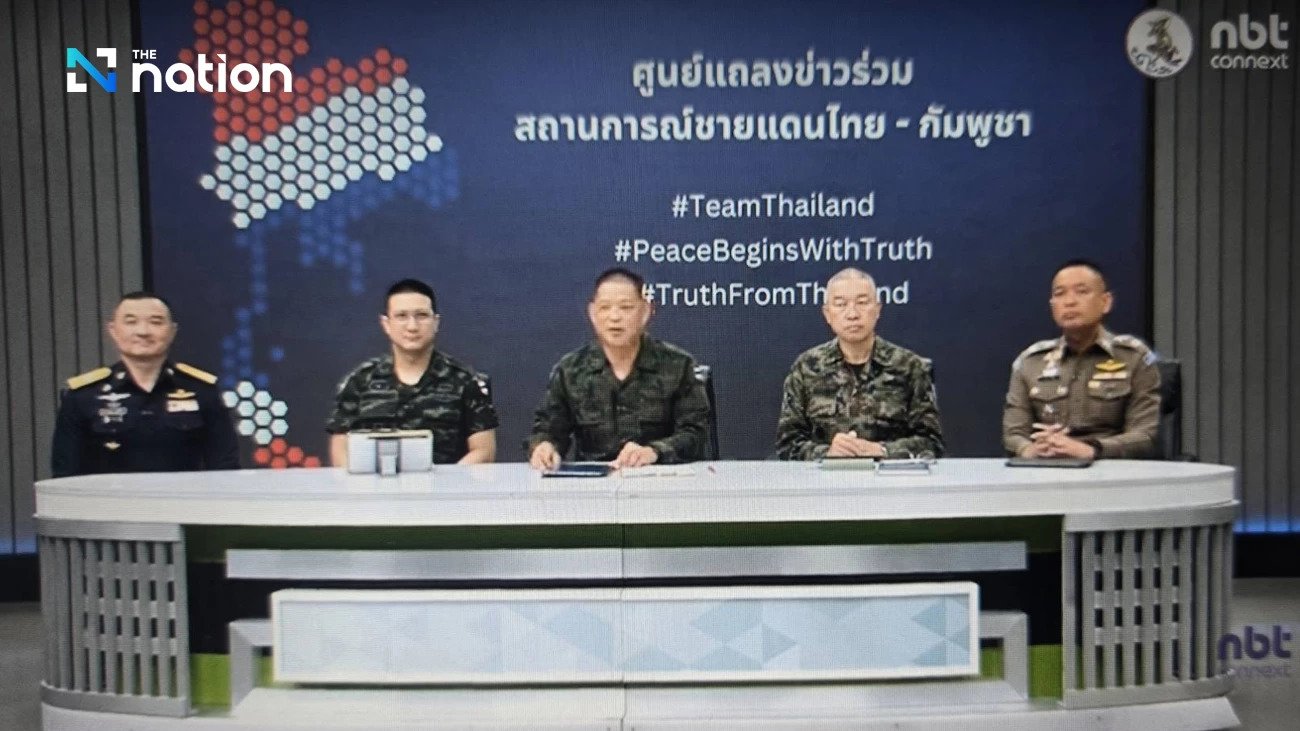
Thailand’s government and military leadership have publicly reaffirmed their commitment to defending the kingdom’s sovereignty while upholding international humanitarian law, following renewed tensions and incidents along the Thai–Cambodian border.
Officials say Thailand has repeatedly sought peaceful resolution and diplomacy, but will not hesitate to act if its territorial integrity or civilian safety is threatened.
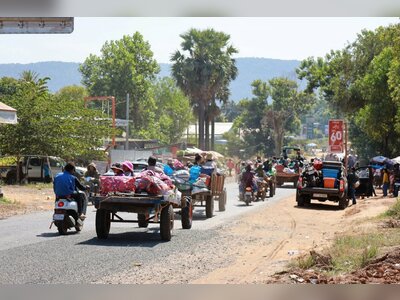
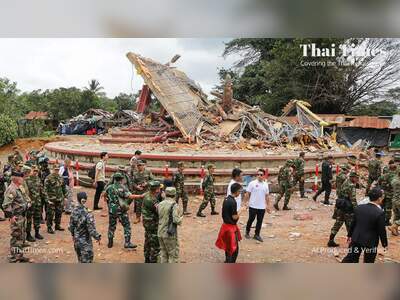
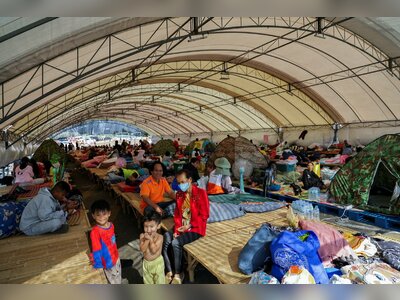
In an official statement, the government acknowledged recent provocations from Cambodian forces — including alleged attacks on civilian infrastructure, hospitals, cultural sites, and residential areas — and described such acts as a serious breach of both international law and humanitarian principles.
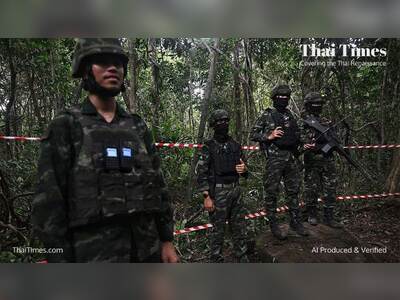
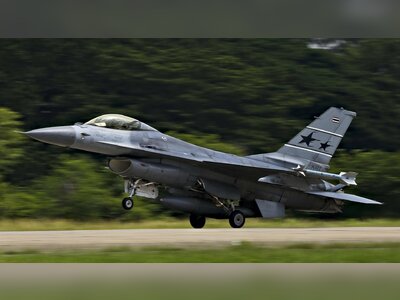
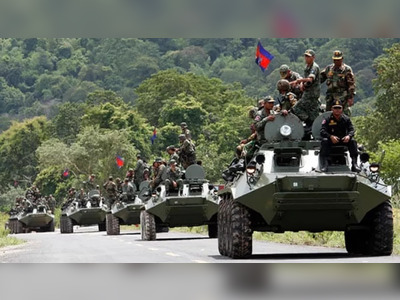
According to Thai authorities, these provocations left “no alternative” but to elevate military readiness and, if necessary, conduct defensive operations.
Thailand insists that any such actions will be strictly limited to military objectives and conducted in compliance with the law of armed conflict, including protection of cultural property and civilian lives.
The commitment to international humanitarian norms is not merely rhetorical.
In August 2025, Thailand hosted the 11th edition of the Princess Maha Chakri Sirindhorn Lecture on International Humanitarian Law, attended by the President of the International Committee of the Red Cross.
The lecture programme reaffirmed Thailand’s longstanding role in promoting respect for humanitarian law even during hostilities, and stressed the need for strict accountability and adherence to the rules of war.
Nevertheless, the government has stressed that respect for humanitarian law does not compromise its right — and duty — to defend national sovereignty and the safety of its population.
The military cites repeated cross-border incidents, including alleged mine attacks within Thai territory, as justification for suspending further implementation of a recent peace accord with Cambodia.
In doing so, Thailand says it continues to act within the framework of the United Nations Charter and other international conventions to which it is a party.
Thai foreign-policy officials argue that their approach represents a balanced model: firm defence of territorial integrity when confronted with aggression, combined with full compliance with humanitarian obligations.
They further urge Cambodia to cease provocations and return to credible bilateral dialogue.
Under this dual strategy, Thailand aims to safeguard both national security and its international standing as a proponent of lawful, ethical conduct in conflict.
The coming weeks will test whether this policy can preserve stability — and whether diplomacy, rather than escalation, will prevail along one of Southeast Asia’s most sensitive borders.
Officials say Thailand has repeatedly sought peaceful resolution and diplomacy, but will not hesitate to act if its territorial integrity or civilian safety is threatened.
In an official statement, the government acknowledged recent provocations from Cambodian forces — including alleged attacks on civilian infrastructure, hospitals, cultural sites, and residential areas — and described such acts as a serious breach of both international law and humanitarian principles.
According to Thai authorities, these provocations left “no alternative” but to elevate military readiness and, if necessary, conduct defensive operations.
Thailand insists that any such actions will be strictly limited to military objectives and conducted in compliance with the law of armed conflict, including protection of cultural property and civilian lives.
The commitment to international humanitarian norms is not merely rhetorical.
In August 2025, Thailand hosted the 11th edition of the Princess Maha Chakri Sirindhorn Lecture on International Humanitarian Law, attended by the President of the International Committee of the Red Cross.
The lecture programme reaffirmed Thailand’s longstanding role in promoting respect for humanitarian law even during hostilities, and stressed the need for strict accountability and adherence to the rules of war.
Nevertheless, the government has stressed that respect for humanitarian law does not compromise its right — and duty — to defend national sovereignty and the safety of its population.
The military cites repeated cross-border incidents, including alleged mine attacks within Thai territory, as justification for suspending further implementation of a recent peace accord with Cambodia.
In doing so, Thailand says it continues to act within the framework of the United Nations Charter and other international conventions to which it is a party.
Thai foreign-policy officials argue that their approach represents a balanced model: firm defence of territorial integrity when confronted with aggression, combined with full compliance with humanitarian obligations.
They further urge Cambodia to cease provocations and return to credible bilateral dialogue.
Under this dual strategy, Thailand aims to safeguard both national security and its international standing as a proponent of lawful, ethical conduct in conflict.
The coming weeks will test whether this policy can preserve stability — and whether diplomacy, rather than escalation, will prevail along one of Southeast Asia’s most sensitive borders.