
Thailand Faces Rising Consumer Prices as Middle East Conflict Disrupts Key Supply Chains
Surging oil costs and shipping disruptions drive up prices of everyday goods from palm oil to bottled water across the country
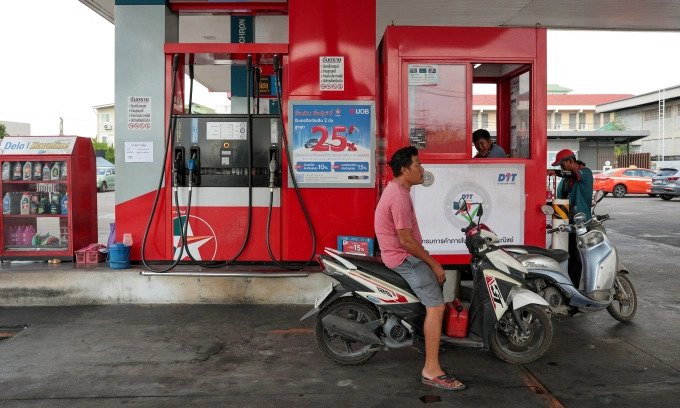
Prices of everyday goods in Thailand are climbing sharply as the ongoing conflict in the Middle East continues to disrupt global energy flows and supply chains, placing mounting pressure on Southeast Asia’s import-dependent economies.
The surge has been most visible in essential consumer products such as palm oil and bottled water, where rising transportation and packaging costs are feeding directly into retail prices.
Businesses across the country report higher input costs as oil prices spike and key raw materials become more difficult to secure.
The root of the disruption lies in the effective closure of the Strait of Hormuz, a critical global shipping route for oil and petrochemical products.
The resulting supply shock has driven crude prices above 100 dollars per barrel and sharply reduced the availability of fuels and industrial inputs across Asia.
Thailand, which relies heavily on Middle Eastern energy imports, has been particularly exposed to these pressures.
Higher fuel prices are rapidly translating into increased logistics and production costs.
Industries dependent on petrochemical materials—used in plastic packaging for food and beverages—have faced shortages, forcing some manufacturers to scale back operations or raise prices.
This has had a cascading effect on retail goods, including packaged drinking water and cooking oil.
Agricultural sectors are also under strain.
Fertilizer costs, tied closely to energy markets, have surged, pushing up production expenses for crops such as palm oil.
Analysts estimate that agricultural prices could rise by 10 to 15 percent if the disruption persists, adding further pressure on household budgets.
At the same time, freight rates and insurance costs for shipping have risen as vessels reroute away from conflict zones, compounding the price increases seen by consumers.
Supply delays have affected not only raw materials but also finished goods, tightening availability in some segments of the domestic market.
Thailand’s government has moved to cushion the impact through targeted interventions, including price management measures, increased use of alternative energy sources such as biofuels, and efforts to secure diversified import channels.
These actions have helped prevent more severe shortages, though officials acknowledge that external pressures remain significant.
The broader economic impact is being felt across multiple sectors, from manufacturing to agriculture and retail.
With energy markets still volatile and global supply chains under strain, businesses and consumers alike are bracing for continued price fluctuations in the months ahead.
The surge has been most visible in essential consumer products such as palm oil and bottled water, where rising transportation and packaging costs are feeding directly into retail prices.
Businesses across the country report higher input costs as oil prices spike and key raw materials become more difficult to secure.
The root of the disruption lies in the effective closure of the Strait of Hormuz, a critical global shipping route for oil and petrochemical products.
The resulting supply shock has driven crude prices above 100 dollars per barrel and sharply reduced the availability of fuels and industrial inputs across Asia.
Thailand, which relies heavily on Middle Eastern energy imports, has been particularly exposed to these pressures.
Higher fuel prices are rapidly translating into increased logistics and production costs.
Industries dependent on petrochemical materials—used in plastic packaging for food and beverages—have faced shortages, forcing some manufacturers to scale back operations or raise prices.
This has had a cascading effect on retail goods, including packaged drinking water and cooking oil.
Agricultural sectors are also under strain.
Fertilizer costs, tied closely to energy markets, have surged, pushing up production expenses for crops such as palm oil.
Analysts estimate that agricultural prices could rise by 10 to 15 percent if the disruption persists, adding further pressure on household budgets.
At the same time, freight rates and insurance costs for shipping have risen as vessels reroute away from conflict zones, compounding the price increases seen by consumers.
Supply delays have affected not only raw materials but also finished goods, tightening availability in some segments of the domestic market.
Thailand’s government has moved to cushion the impact through targeted interventions, including price management measures, increased use of alternative energy sources such as biofuels, and efforts to secure diversified import channels.
These actions have helped prevent more severe shortages, though officials acknowledge that external pressures remain significant.
The broader economic impact is being felt across multiple sectors, from manufacturing to agriculture and retail.
With energy markets still volatile and global supply chains under strain, businesses and consumers alike are bracing for continued price fluctuations in the months ahead.