0:00
0:00
Thailand Heads to Pivotal Election Amid Slower Growth and Rising Nationalist Sentiment
Voters weigh economic recovery, coalition stability and identity politics in closely watched national poll
Thailand is preparing for a closely watched general election at a time of moderating economic growth and heightened nationalist rhetoric, with voters set to decide the composition of the next government in a contest that could shape the country’s political and economic trajectory for years to come.
The election comes as Southeast Asia’s second-largest economy faces headwinds from weaker global demand, uneven export performance and softer domestic consumption.
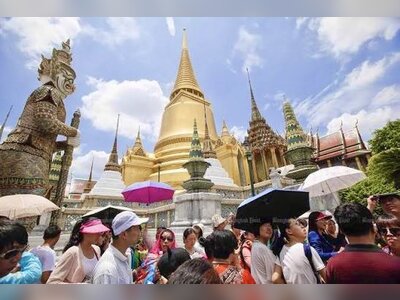
While tourism has continued to recover, broader growth has not accelerated at the pace many policymakers had anticipated.
Recent data indicate expansion remains below long-term averages, sharpening debate over fiscal stimulus, industrial policy and support for small businesses and rural communities.
Political parties have centred their campaigns on economic revitalisation, household debt relief and job creation.
Some platforms emphasise large-scale infrastructure spending and targeted subsidies, while others advocate structural reforms aimed at boosting competitiveness, innovation and regional development.
The outcome may determine the direction of Thailand’s fiscal strategy and its approach to foreign investment.
Nationalist themes have also gained prominence during the campaign period.
Several parties have framed their agendas around national sovereignty, cultural identity and stricter oversight of foreign influence, resonating with segments of the electorate concerned about economic inequality and social change.
At the same time, pro-reform voices continue to push for institutional adjustments and expanded civil liberties, reflecting enduring political divisions.
Thailand’s electoral system, which combines constituency seats with party-list representation, often produces fragmented outcomes and coalition negotiations.
Observers expect post-election bargaining to play a significant role in determining the eventual governing alliance.
Military-appointed senators may also influence the selection of the prime minister, depending on parliamentary arithmetic.
The vote is being held under the oversight of the Election Commission, which has pledged to ensure transparency and orderly polling nationwide.
Turnout will be closely monitored as an indicator of public engagement after years of political turbulence and shifting alliances.
Investors and regional partners are watching the contest for signals about policy continuity, regulatory stability and Thailand’s positioning within Southeast Asia.
As economic growth slows and political narratives sharpen, the election represents a decisive moment in defining how Thailand balances reform, stability and national identity in the next chapter of its development.
The election comes as Southeast Asia’s second-largest economy faces headwinds from weaker global demand, uneven export performance and softer domestic consumption.
While tourism has continued to recover, broader growth has not accelerated at the pace many policymakers had anticipated.
Recent data indicate expansion remains below long-term averages, sharpening debate over fiscal stimulus, industrial policy and support for small businesses and rural communities.
Political parties have centred their campaigns on economic revitalisation, household debt relief and job creation.
Some platforms emphasise large-scale infrastructure spending and targeted subsidies, while others advocate structural reforms aimed at boosting competitiveness, innovation and regional development.
The outcome may determine the direction of Thailand’s fiscal strategy and its approach to foreign investment.
Nationalist themes have also gained prominence during the campaign period.
Several parties have framed their agendas around national sovereignty, cultural identity and stricter oversight of foreign influence, resonating with segments of the electorate concerned about economic inequality and social change.
At the same time, pro-reform voices continue to push for institutional adjustments and expanded civil liberties, reflecting enduring political divisions.
Thailand’s electoral system, which combines constituency seats with party-list representation, often produces fragmented outcomes and coalition negotiations.
Observers expect post-election bargaining to play a significant role in determining the eventual governing alliance.
Military-appointed senators may also influence the selection of the prime minister, depending on parliamentary arithmetic.
The vote is being held under the oversight of the Election Commission, which has pledged to ensure transparency and orderly polling nationwide.
Turnout will be closely monitored as an indicator of public engagement after years of political turbulence and shifting alliances.
Investors and regional partners are watching the contest for signals about policy continuity, regulatory stability and Thailand’s positioning within Southeast Asia.
As economic growth slows and political narratives sharpen, the election represents a decisive moment in defining how Thailand balances reform, stability and national identity in the next chapter of its development.