Thailand’s Navy Faces Strategic Squeeze as Budget Cuts Stall Fleet Modernisation
Delayed frigates, unresolved submarine problems and rising regional competition are exposing the limits of Thailand’s maritime defence strategy across the Gulf of Thailand and the Andaman Sea.
Thailand’s defence budgeting system is driving a growing crisis inside the Royal Thai Navy, as repeated funding cuts and procurement delays threaten the country’s long-term ability to patrol two strategically vital maritime fronts at the same time.
The immediate dispute centres on the government’s decision to cut funding for a second high-performance frigate from the proposed 2027 budget, despite years of naval planning built around fleet expansion and replacement.
Senior naval officers have confirmed the procurement request will be resubmitted in the next budget cycle, but the setback has intensified concerns that Thailand’s naval modernisation programme is moving too slowly to keep pace with regional developments.
The underlying issue is structural rather than symbolic.
Thailand operates across two separate maritime theatres with very different security demands.
The Gulf of Thailand contains offshore energy infrastructure, commercial shipping lanes and sensitive territorial zones near Cambodia and Vietnam.
The Andaman Sea connects Thailand to the Indian Ocean and sits near some of the world’s busiest maritime trade routes.
Maintaining credible naval coverage across both regions requires more ships, longer deployment endurance and modern surveillance capability.
The navy’s own strategic roadmap, formalised in a defence white paper, calls for expanding the frigate fleet from four operational vessels to eight by 2037. That objective now looks increasingly difficult.
Several existing ships are ageing, maintenance demands are rising and replacement schedules have repeatedly slipped because of parliamentary resistance to expensive procurement programmes.
The frigate programme has become politically sensitive because it arrives after years of controversy surrounding Thailand’s stalled submarine deal with China.
The submarine project encountered major complications after Germany blocked the export of diesel engines intended for Chinese-built submarines.
Thailand refused to accept an alternative Chinese engine configuration without additional scrutiny, leaving the programme trapped in prolonged negotiations.
The episode damaged public confidence in large defence purchases and increased political caution around naval spending.
What makes the current situation more serious is that regional naval competition is accelerating while Thailand’s acquisition process slows down.
Southeast Asian militaries are modernising rapidly.
Vietnam has invested heavily in submarines and coastal defence systems.
Singapore maintains one of the region’s most technologically advanced fleets.
Indonesia continues to expand maritime patrol and naval capabilities across its archipelago.
Cambodia recently received modern Chinese-built corvettes alongside upgrades to Ream Naval Base.
Thailand is not facing an immediate military threat, but maritime deterrence is cumulative.
Naval capability depends on long procurement timelines, industrial planning and consistent investment.
Once capability gaps emerge, they can take years to reverse.
The navy has attempted to reframe the frigate programme as both a security project and an industrial policy initiative.
Officials have increasingly emphasised domestic shipbuilding, technology transfer and local manufacturing requirements in an effort to justify the spending politically.
Competing foreign defence firms have reportedly been asked to provide industrial offsets and support Thai shipyard development as part of future contracts.
That strategy reflects a broader shift inside Thailand’s defence establishment.
Rather than relying entirely on imported systems, military planners are trying to build domestic technical capacity in maintenance, assembly and naval engineering.
The goal is partly economic, but also strategic.
Countries that cannot sustain or repair their own fleets become dependent on foreign suppliers during crises.
At the same time, Thailand faces severe fiscal pressure.
Economic recovery spending, welfare commitments and infrastructure projects are competing directly with defence allocations.
Political leaders have publicly acknowledged the navy’s operational needs while also signalling that military procurement cannot escape wider budget restraint.
The result is a navy caught between strategic geography and financial reality.
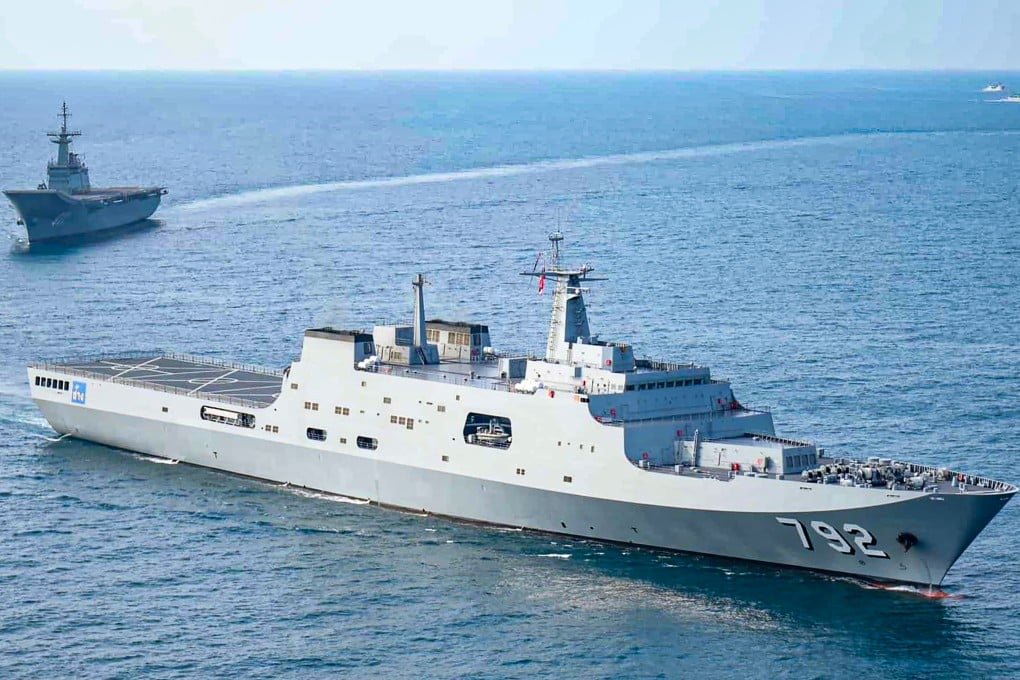
Thailand still possesses one of Southeast Asia’s more visible maritime forces, including an aircraft carrier, amphibious ships and modern frigates.
But fleet size alone no longer guarantees relevance.
Modern naval operations increasingly depend on integrated sensors, missile systems, networked command structures and sustained readiness.
The concern inside defence circles is not that Thailand’s navy is collapsing, but that it risks gradual erosion through delay.
Ships age faster than procurement systems move.
Maintenance costs rise as fleets become older.
Operational availability declines even when vessels technically remain in service.
That erosion matters because maritime security affects far more than military prestige.
Thailand’s economy depends heavily on seaborne trade, offshore energy infrastructure, fisheries and secure shipping access.
Any sustained reduction in naval capability would weaken maritime surveillance, disaster response capacity and deterrence against coercive activity in disputed waters.
The government has not abandoned naval modernisation.
Procurement planning continues, domestic shipbuilding discussions are advancing and senior officials continue to support the long-term fleet roadmap in principle.
But the latest budget reductions demonstrate that Thailand’s maritime ambitions are now constrained by political affordability as much as strategic necessity.
The next defence budget cycle will determine whether the frigate programme regains momentum or whether Thailand’s navy enters a prolonged period of capability stagnation while neighbouring fleets continue to modernise.
The immediate dispute centres on the government’s decision to cut funding for a second high-performance frigate from the proposed 2027 budget, despite years of naval planning built around fleet expansion and replacement.
Senior naval officers have confirmed the procurement request will be resubmitted in the next budget cycle, but the setback has intensified concerns that Thailand’s naval modernisation programme is moving too slowly to keep pace with regional developments.
The underlying issue is structural rather than symbolic.
Thailand operates across two separate maritime theatres with very different security demands.
The Gulf of Thailand contains offshore energy infrastructure, commercial shipping lanes and sensitive territorial zones near Cambodia and Vietnam.
The Andaman Sea connects Thailand to the Indian Ocean and sits near some of the world’s busiest maritime trade routes.
Maintaining credible naval coverage across both regions requires more ships, longer deployment endurance and modern surveillance capability.
The navy’s own strategic roadmap, formalised in a defence white paper, calls for expanding the frigate fleet from four operational vessels to eight by 2037. That objective now looks increasingly difficult.
Several existing ships are ageing, maintenance demands are rising and replacement schedules have repeatedly slipped because of parliamentary resistance to expensive procurement programmes.
The frigate programme has become politically sensitive because it arrives after years of controversy surrounding Thailand’s stalled submarine deal with China.
The submarine project encountered major complications after Germany blocked the export of diesel engines intended for Chinese-built submarines.
Thailand refused to accept an alternative Chinese engine configuration without additional scrutiny, leaving the programme trapped in prolonged negotiations.
The episode damaged public confidence in large defence purchases and increased political caution around naval spending.
What makes the current situation more serious is that regional naval competition is accelerating while Thailand’s acquisition process slows down.
Southeast Asian militaries are modernising rapidly.
Vietnam has invested heavily in submarines and coastal defence systems.
Singapore maintains one of the region’s most technologically advanced fleets.
Indonesia continues to expand maritime patrol and naval capabilities across its archipelago.
Cambodia recently received modern Chinese-built corvettes alongside upgrades to Ream Naval Base.
Thailand is not facing an immediate military threat, but maritime deterrence is cumulative.
Naval capability depends on long procurement timelines, industrial planning and consistent investment.
Once capability gaps emerge, they can take years to reverse.
The navy has attempted to reframe the frigate programme as both a security project and an industrial policy initiative.
Officials have increasingly emphasised domestic shipbuilding, technology transfer and local manufacturing requirements in an effort to justify the spending politically.
Competing foreign defence firms have reportedly been asked to provide industrial offsets and support Thai shipyard development as part of future contracts.
That strategy reflects a broader shift inside Thailand’s defence establishment.
Rather than relying entirely on imported systems, military planners are trying to build domestic technical capacity in maintenance, assembly and naval engineering.
The goal is partly economic, but also strategic.
Countries that cannot sustain or repair their own fleets become dependent on foreign suppliers during crises.
At the same time, Thailand faces severe fiscal pressure.
Economic recovery spending, welfare commitments and infrastructure projects are competing directly with defence allocations.
Political leaders have publicly acknowledged the navy’s operational needs while also signalling that military procurement cannot escape wider budget restraint.
The result is a navy caught between strategic geography and financial reality.
Thailand still possesses one of Southeast Asia’s more visible maritime forces, including an aircraft carrier, amphibious ships and modern frigates.
But fleet size alone no longer guarantees relevance.
Modern naval operations increasingly depend on integrated sensors, missile systems, networked command structures and sustained readiness.
The concern inside defence circles is not that Thailand’s navy is collapsing, but that it risks gradual erosion through delay.
Ships age faster than procurement systems move.
Maintenance costs rise as fleets become older.
Operational availability declines even when vessels technically remain in service.
That erosion matters because maritime security affects far more than military prestige.
Thailand’s economy depends heavily on seaborne trade, offshore energy infrastructure, fisheries and secure shipping access.
Any sustained reduction in naval capability would weaken maritime surveillance, disaster response capacity and deterrence against coercive activity in disputed waters.
The government has not abandoned naval modernisation.
Procurement planning continues, domestic shipbuilding discussions are advancing and senior officials continue to support the long-term fleet roadmap in principle.
But the latest budget reductions demonstrate that Thailand’s maritime ambitions are now constrained by political affordability as much as strategic necessity.
The next defence budget cycle will determine whether the frigate programme regains momentum or whether Thailand’s navy enters a prolonged period of capability stagnation while neighbouring fleets continue to modernise.