Airlines Adjust Capacity as Thailand’s Travel Demand Reshapes Asia-Pacific Flight Networks
AirAsia Thailand expansion contrasts with Qantas route reductions as carriers respond to shifting demand, costs, and regional competition
SYSTEM-DRIVEN changes in Asia-Pacific aviation are reshaping international flight capacity into and out of Thailand, as airlines recalibrate networks in response to uneven demand recovery, cost pressures, and shifting profitability across regional routes.
The result is a divergence in strategy: some carriers are expanding aggressively in Thailand’s fast-growing travel market, while others are reducing exposure to routes deemed less financially sustainable.
What is confirmed is that AirAsia Thailand has been strengthening its domestic and regional operations as travel demand across Southeast Asia continues to recover and expand, particularly in price-sensitive leisure markets.
Low-cost carriers in the region have benefited from strong intra-Asia tourism flows, where Thailand remains one of the most important destination hubs due to its established tourism infrastructure and relatively low travel costs.
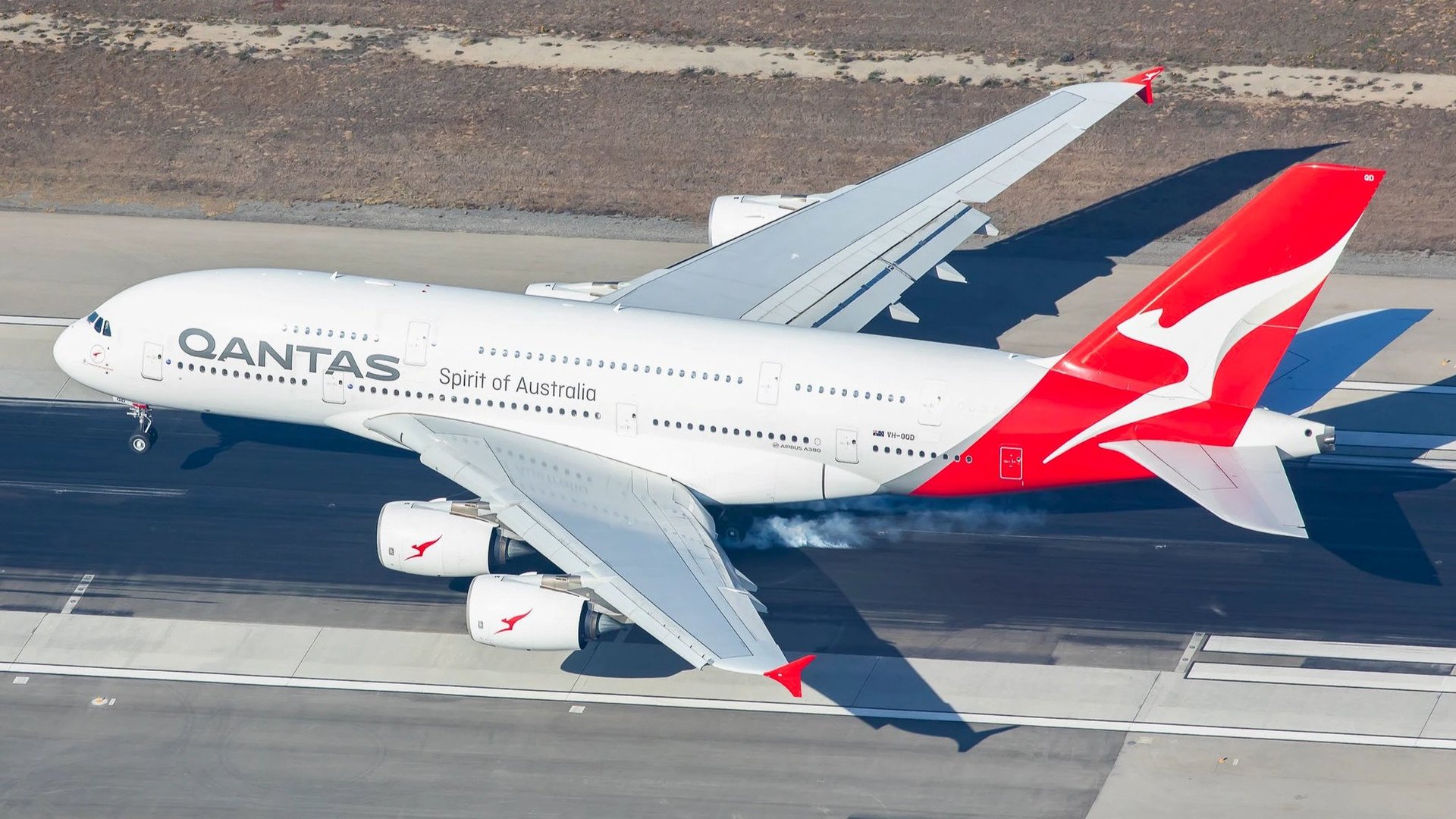
At the same time, Qantas has been adjusting its international capacity strategy, including reductions or reshaping of certain long-haul routes across the Asia-Pacific network.
These decisions reflect broader airline industry dynamics rather than a single-country outlook: high fuel costs, aircraft availability constraints, and post-pandemic route profitability recalibration continue to drive network optimization across global carriers.
The apparent contrast between expansion and reduction is driven by structural differences in airline business models.
Low-cost carriers such as AirAsia typically focus on short-haul, high-frequency routes that respond quickly to tourism demand.
Full-service long-haul operators such as Qantas must balance longer operational cycles, higher fixed costs, and more complex fleet allocation decisions.
Thailand sits at the center of this divergence.
The country remains one of Asia’s strongest inbound tourism markets, supported by visa facilitation policies, large-scale airport infrastructure, and diversified source markets across China, India, Australia, and Europe.
This creates a stable base of demand that low-cost carriers are particularly well positioned to serve.
However, the broader aviation environment remains volatile.
Global airlines continue to face uneven demand recovery patterns, with some Asia-Pacific routes outperforming expectations while others lag due to changing travel behavior, corporate travel reductions, and shifting seasonal flows.
These imbalances force continuous network recalibration.
For Thailand, the strategic implication is clear: its aviation connectivity is increasingly being shaped not just by national tourism policy but by global airline economics.
Expansion by regional carriers strengthens short-haul connectivity and tourism inflows, while long-haul capacity adjustments by foreign airlines can influence premium travel segments and intercontinental connectivity.
The combined effect is a more fragmented but dynamic aviation landscape, where Thailand’s position as a regional travel hub remains strong, yet increasingly dependent on how global carriers allocate aircraft capacity across competing markets in Asia-Pacific.
The result is a divergence in strategy: some carriers are expanding aggressively in Thailand’s fast-growing travel market, while others are reducing exposure to routes deemed less financially sustainable.
What is confirmed is that AirAsia Thailand has been strengthening its domestic and regional operations as travel demand across Southeast Asia continues to recover and expand, particularly in price-sensitive leisure markets.
Low-cost carriers in the region have benefited from strong intra-Asia tourism flows, where Thailand remains one of the most important destination hubs due to its established tourism infrastructure and relatively low travel costs.
At the same time, Qantas has been adjusting its international capacity strategy, including reductions or reshaping of certain long-haul routes across the Asia-Pacific network.
These decisions reflect broader airline industry dynamics rather than a single-country outlook: high fuel costs, aircraft availability constraints, and post-pandemic route profitability recalibration continue to drive network optimization across global carriers.
The apparent contrast between expansion and reduction is driven by structural differences in airline business models.
Low-cost carriers such as AirAsia typically focus on short-haul, high-frequency routes that respond quickly to tourism demand.
Full-service long-haul operators such as Qantas must balance longer operational cycles, higher fixed costs, and more complex fleet allocation decisions.
Thailand sits at the center of this divergence.
The country remains one of Asia’s strongest inbound tourism markets, supported by visa facilitation policies, large-scale airport infrastructure, and diversified source markets across China, India, Australia, and Europe.
This creates a stable base of demand that low-cost carriers are particularly well positioned to serve.
However, the broader aviation environment remains volatile.
Global airlines continue to face uneven demand recovery patterns, with some Asia-Pacific routes outperforming expectations while others lag due to changing travel behavior, corporate travel reductions, and shifting seasonal flows.
These imbalances force continuous network recalibration.
For Thailand, the strategic implication is clear: its aviation connectivity is increasingly being shaped not just by national tourism policy but by global airline economics.
Expansion by regional carriers strengthens short-haul connectivity and tourism inflows, while long-haul capacity adjustments by foreign airlines can influence premium travel segments and intercontinental connectivity.
The combined effect is a more fragmented but dynamic aviation landscape, where Thailand’s position as a regional travel hub remains strong, yet increasingly dependent on how global carriers allocate aircraft capacity across competing markets in Asia-Pacific.