

German Federal Election Results in Conservative Win Amid Significant Far-Right Advances
CDU/CSU rises as the dominant party, while AfD achieves an unprecedented second position.
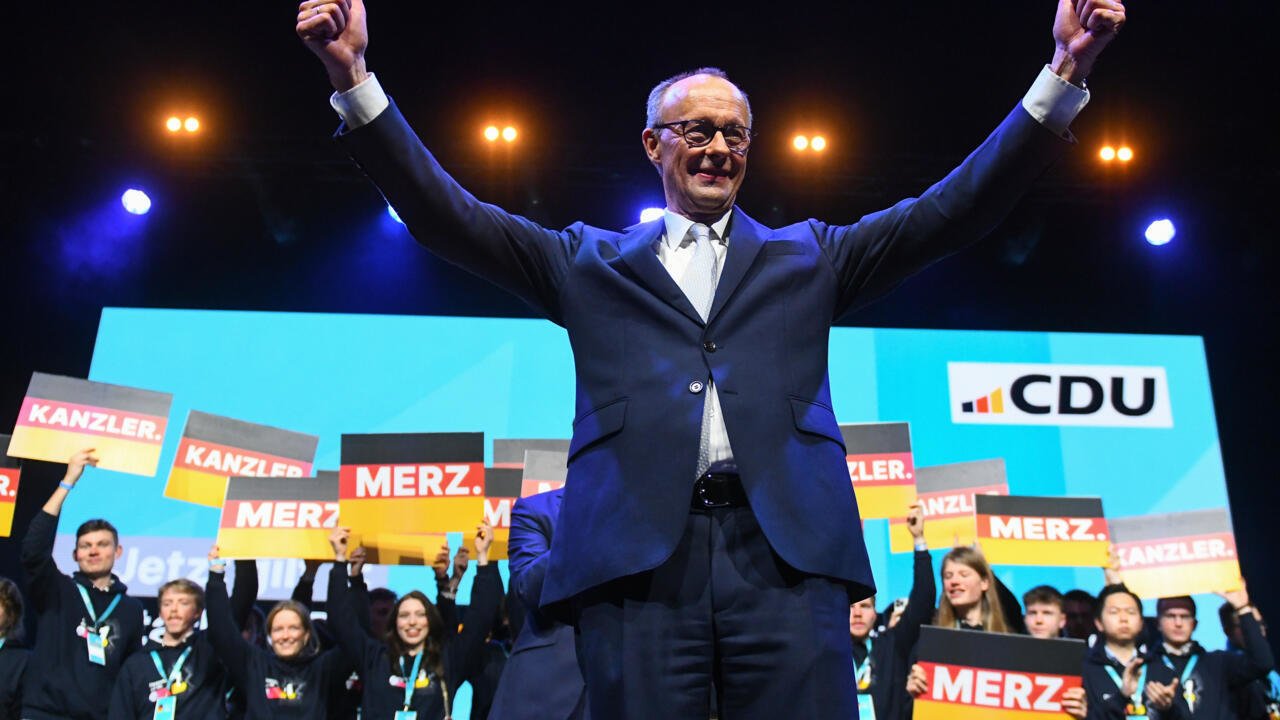
In the German federal election held on February 23, 2025, the center-right Christian Democratic Union (CDU) and its Bavarian counterpart, the Christian Social Union (CSU), under the leadership of Friedrich Merz, secured the highest percentage of votes, positioning Merz to assume the role of the next Chancellor.
The CDU/CSU alliance received roughly 28.6% of the electorate's support.
The far-right Alternative for Germany (AfD) reached a historic achievement by capturing 20.4% of the votes, representing the strongest showing for a far-right party in Germany since World War II. Conversely, the Social Democratic Party (SPD), led by outgoing Chancellor Olaf Scholz, recorded its worst performance in recent history, garnering only 16.3% of the total vote.
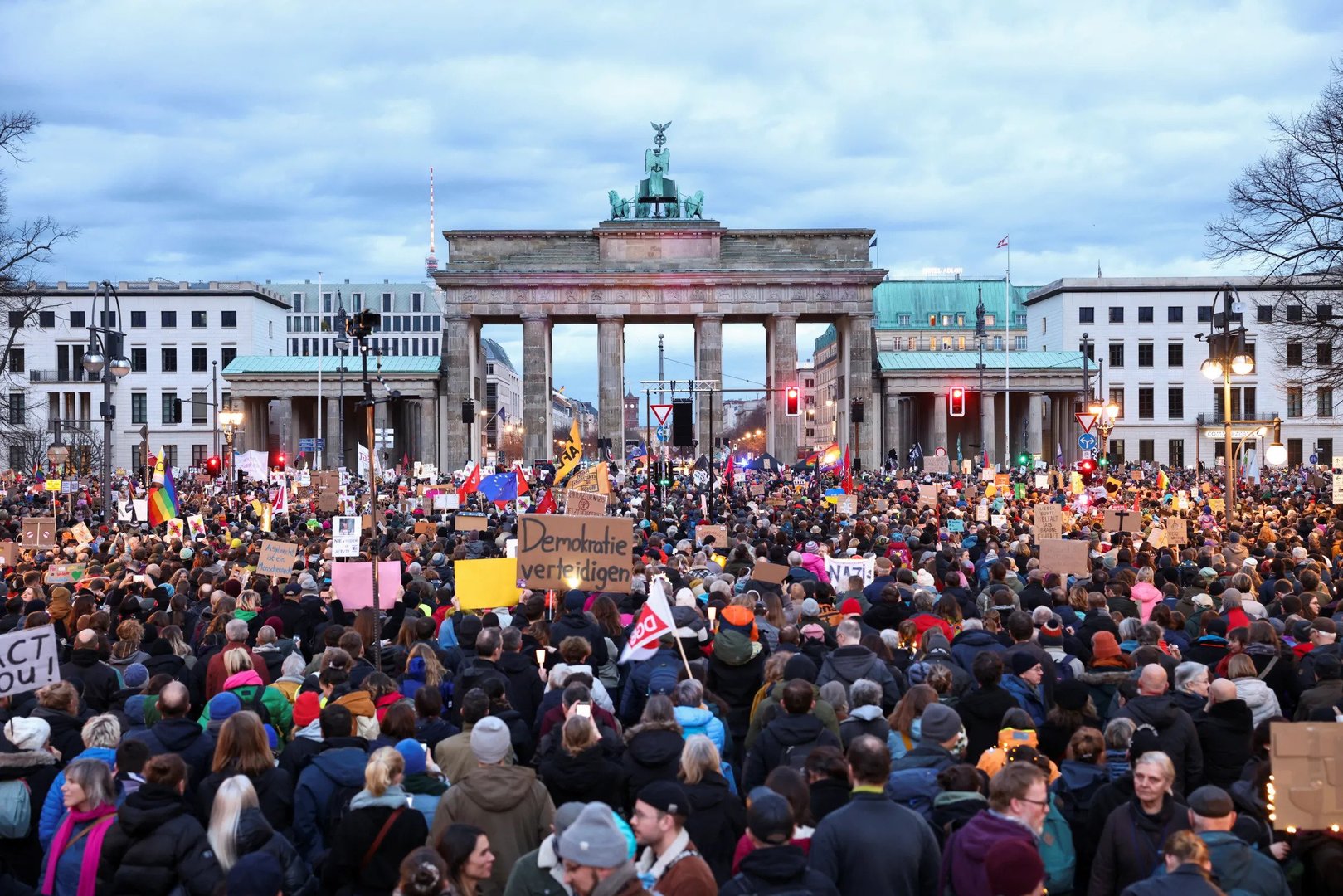
The election outcomes signify a notable transformation in the German political arena, with the AfD’s ascent attributed to widespread public dissatisfaction with immigration policies, economic hardships, and rising energy prices.
Even with their electoral success, the AfD is expected to be excluded from government formation, as other parties have established a 'firewall' to keep them out of coalitions.
Reactions to the election from the international community have been mixed.
U.S. President Donald Trump commended the results, interpreting them as a rejection of former policies regarding energy and immigration.
Greek Prime Minister Kyriakos Mitsotakis welcomed the conservative victory, viewing it as advantageous for both Germany and Europe.
Austrian far-right leader Herbert Kickl considered the results as a move against the established political system, spurred by public discontent.
Italian Deputy Prime Minister Matteo Salvini lauded the AfD's performance, advocating for significant shifts in Europe, and underscored the importance of issues like immigration, security, and economic policy.
The election's robust voter turnout was fueled by economic discontent and security anxieties.
Coalition talks are anticipated to be intricate, as the CDU/CSU aims to forge a stable government without partnering with the AfD.
Potential coalition allies could include the SPD and the Greens, although such partnerships might encounter internal pushback.
Alice Weidel, the AfD leader, underlined the party's mainstream position and criticized conservatives for possibly overlooking the voters' wishes.
The party’s rise is linked to public dissatisfaction regarding immigration and economic matters.
Despite their electoral gains, the AfD continues to be a divisive entity due to its associations with extremist factions and contentious rhetoric.
The election results reveal profound divisions within Germany, with key issues such as economic stagnation, migration policies, and geopolitical uncertainties influencing voter perspectives.