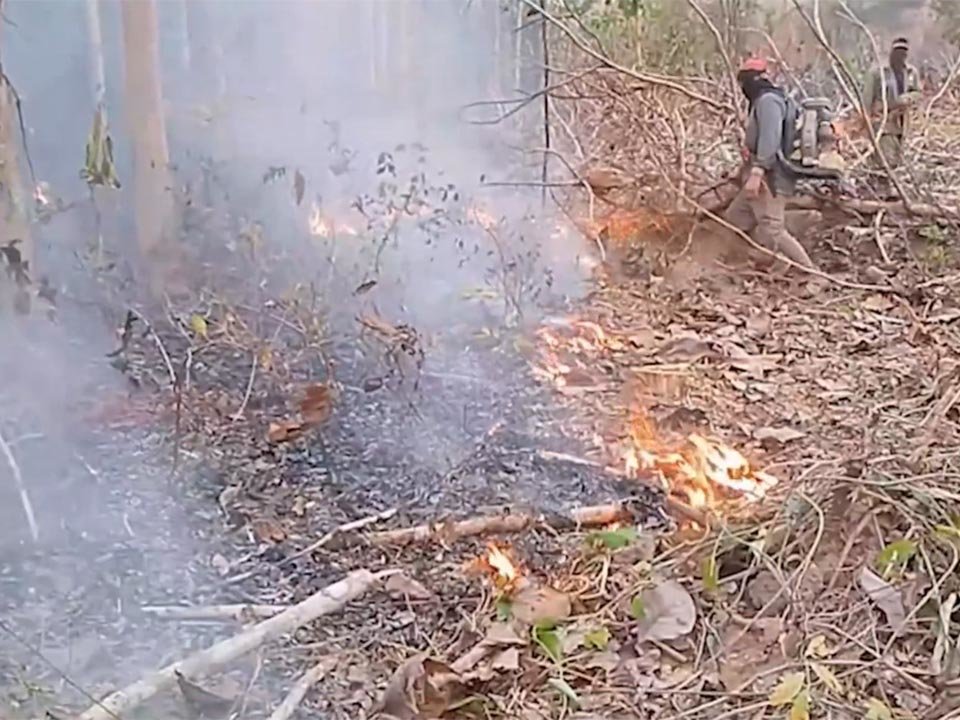
Northern Thailand Faces Surge in Wildfires as Hotspots Reach Highest Levels of 2026
Authorities intensify response as seasonal fires drive sharp increase in hotspots across the region
Northern Thailand is experiencing a significant surge in wildfires, with hotspot levels reaching their highest point so far in 2026 as seasonal burning and dry conditions intensify across the region.
Officials report a sharp rise in fire activity in several northern provinces, with satellite data indicating a substantial increase in detected hotspots.
The situation has prompted authorities to step up monitoring efforts and deploy additional resources to contain the spread of fires.
The surge is largely attributed to a combination of dry weather, agricultural burning practices, and forest conditions that make the region particularly vulnerable during this time of year.
Authorities have been working closely with local communities to manage risks and reduce uncontrolled burning.
Thailand’s government has responded with coordinated measures, including stricter enforcement of fire regulations, increased patrols, and the use of technology to track and respond to outbreaks more effectively.
Public awareness campaigns have also been intensified to encourage responsible practices and minimise environmental impact.
The rise in wildfire activity has implications for air quality and public health, with officials closely monitoring conditions and providing guidance to residents in affected areas.
Efforts are ongoing to mitigate the effects while maintaining a focus on long-term solutions to reduce seasonal fire risks.
Despite the challenges, authorities remain committed to controlling the situation and protecting both communities and natural resources, reinforcing Thailand’s proactive approach to managing environmental pressures.
Officials report a sharp rise in fire activity in several northern provinces, with satellite data indicating a substantial increase in detected hotspots.
The situation has prompted authorities to step up monitoring efforts and deploy additional resources to contain the spread of fires.
The surge is largely attributed to a combination of dry weather, agricultural burning practices, and forest conditions that make the region particularly vulnerable during this time of year.
Authorities have been working closely with local communities to manage risks and reduce uncontrolled burning.
Thailand’s government has responded with coordinated measures, including stricter enforcement of fire regulations, increased patrols, and the use of technology to track and respond to outbreaks more effectively.
Public awareness campaigns have also been intensified to encourage responsible practices and minimise environmental impact.
The rise in wildfire activity has implications for air quality and public health, with officials closely monitoring conditions and providing guidance to residents in affected areas.
Efforts are ongoing to mitigate the effects while maintaining a focus on long-term solutions to reduce seasonal fire risks.
Despite the challenges, authorities remain committed to controlling the situation and protecting both communities and natural resources, reinforcing Thailand’s proactive approach to managing environmental pressures.