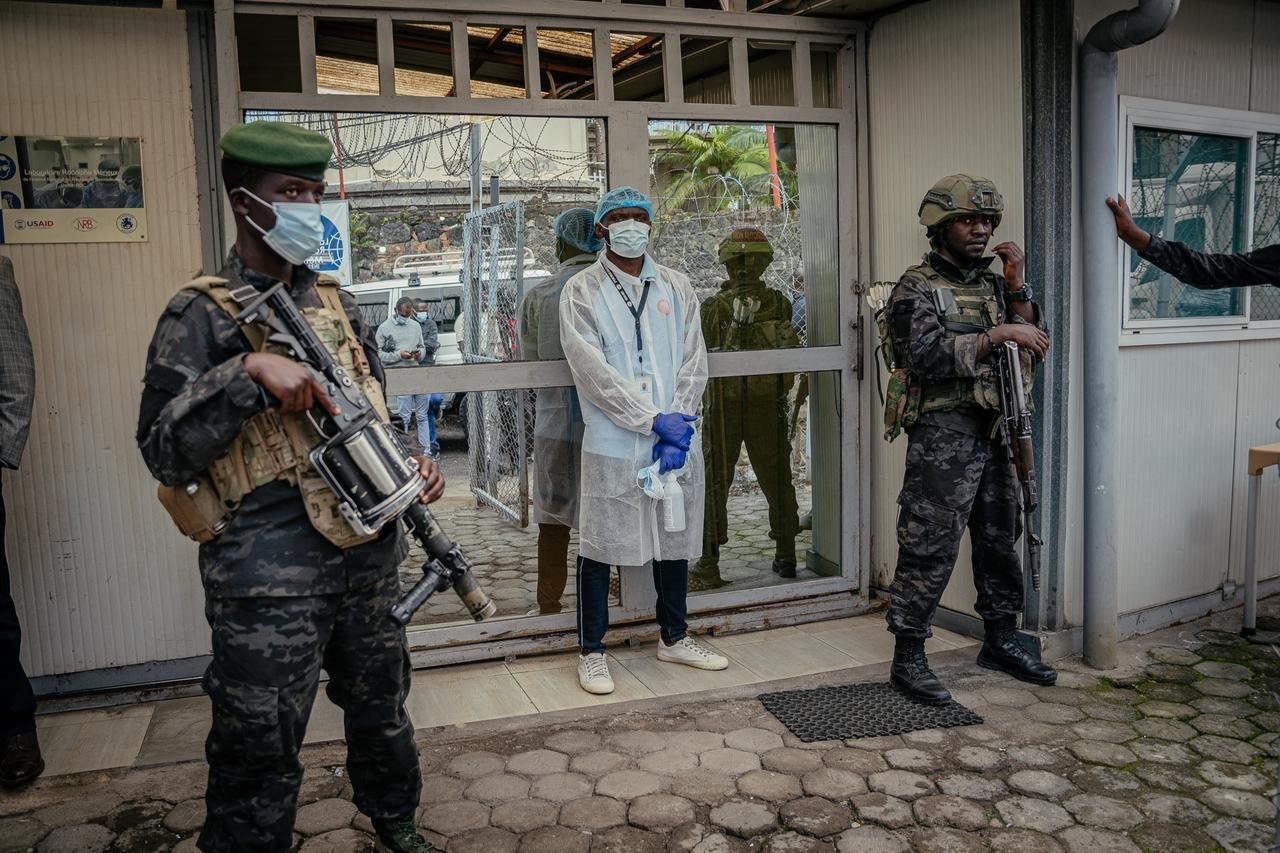
Regional Health Alerts Triggered as Ebola Concerns Prompt Preparedness Measures in Asia
South Korea, India, and Thailand activate monitoring and screening protocols amid renewed global concern over Ebola outbreaks, focusing on prevention rather than confirmed domestic cases.
Health authorities across parts of Asia have intensified infectious disease preparedness measures after renewed international concern over Ebola virus disease, triggering precautionary alerts and enhanced screening in countries including South Korea, India, and Thailand.
What is confirmed is that these measures are preventive responses designed to detect potential imported cases early, not evidence of confirmed Ebola transmission within these countries.
Ebola virus disease is a severe and often fatal illness in humans, transmitted through direct contact with infected bodily fluids or contaminated materials.
The disease is primarily concentrated in outbreaks originating in parts of Central and West Africa, where sporadic flare-ups have historically required international coordination to contain.
The current wave of heightened vigilance in Asia follows reports of renewed outbreak activity abroad, prompting governments to reassess border screening and hospital readiness protocols.
In South Korea, public health authorities have reinforced airport screening procedures, updated quarantine guidance for travelers arriving from affected regions, and issued alerts to hospitals to report suspected hemorrhagic fever symptoms immediately.
Similar precautionary steps have been activated in India and Thailand, where health ministries have instructed medical facilities to strengthen surveillance systems and ensure diagnostic readiness for high-risk infectious diseases.
The mechanism behind these alerts is standardized global outbreak protocol.
When Ebola cases are reported or suspected internationally, countries outside the outbreak zone typically respond by increasing surveillance at ports of entry, training medical staff to identify symptoms early, and preparing isolation facilities.
These steps are designed to prevent even a single imported case from developing into local transmission, given the virus’s high fatality rate and transmission risk in healthcare settings.
What remains central in the current situation is that no confirmed domestic Ebola cases have been reported in South Korea, India, or Thailand as part of this alert phase.
The response is therefore preventive, not reactive to internal spread.
However, the heightened alert reflects lessons learned from previous global outbreaks, particularly the importance of early detection and rapid containment in preventing cross-border transmission.
The broader implications extend beyond Ebola itself.
The activation of preparedness systems signals how rapidly emerging or resurgent pathogens can trigger global health coordination even when geographic distance is large.
It also reflects the institutionalization of post-pandemic surveillance infrastructure, where countries maintain standing response protocols for high-consequence infectious diseases regardless of local case presence.
For health systems in Asia, the immediate consequence is operational: hospitals must maintain isolation capacity, border authorities must implement screening workflows, and public health agencies must coordinate real-time reporting channels.
For the public, the impact is limited to travel screening and advisory notices, with no disruption to normal domestic activity unless a confirmed case is detected locally.
The current phase of response is therefore defined by preparedness rather than outbreak escalation within these countries, with authorities focusing on preventing importation and ensuring rapid response capacity in the event of exposure.
What is confirmed is that these measures are preventive responses designed to detect potential imported cases early, not evidence of confirmed Ebola transmission within these countries.
Ebola virus disease is a severe and often fatal illness in humans, transmitted through direct contact with infected bodily fluids or contaminated materials.
The disease is primarily concentrated in outbreaks originating in parts of Central and West Africa, where sporadic flare-ups have historically required international coordination to contain.
The current wave of heightened vigilance in Asia follows reports of renewed outbreak activity abroad, prompting governments to reassess border screening and hospital readiness protocols.
In South Korea, public health authorities have reinforced airport screening procedures, updated quarantine guidance for travelers arriving from affected regions, and issued alerts to hospitals to report suspected hemorrhagic fever symptoms immediately.
Similar precautionary steps have been activated in India and Thailand, where health ministries have instructed medical facilities to strengthen surveillance systems and ensure diagnostic readiness for high-risk infectious diseases.
The mechanism behind these alerts is standardized global outbreak protocol.
When Ebola cases are reported or suspected internationally, countries outside the outbreak zone typically respond by increasing surveillance at ports of entry, training medical staff to identify symptoms early, and preparing isolation facilities.
These steps are designed to prevent even a single imported case from developing into local transmission, given the virus’s high fatality rate and transmission risk in healthcare settings.
What remains central in the current situation is that no confirmed domestic Ebola cases have been reported in South Korea, India, or Thailand as part of this alert phase.
The response is therefore preventive, not reactive to internal spread.
However, the heightened alert reflects lessons learned from previous global outbreaks, particularly the importance of early detection and rapid containment in preventing cross-border transmission.
The broader implications extend beyond Ebola itself.
The activation of preparedness systems signals how rapidly emerging or resurgent pathogens can trigger global health coordination even when geographic distance is large.
It also reflects the institutionalization of post-pandemic surveillance infrastructure, where countries maintain standing response protocols for high-consequence infectious diseases regardless of local case presence.
For health systems in Asia, the immediate consequence is operational: hospitals must maintain isolation capacity, border authorities must implement screening workflows, and public health agencies must coordinate real-time reporting channels.
For the public, the impact is limited to travel screening and advisory notices, with no disruption to normal domestic activity unless a confirmed case is detected locally.
The current phase of response is therefore defined by preparedness rather than outbreak escalation within these countries, with authorities focusing on preventing importation and ensuring rapid response capacity in the event of exposure.