San Francisco’s Asian Art Museum to Return Four Ancient Thai Statues Looted in the 1960s
Bronze sculptures from the Prakhon Chai hoard begin journey home as restitution accelerates under global scrutiny of looted artefacts
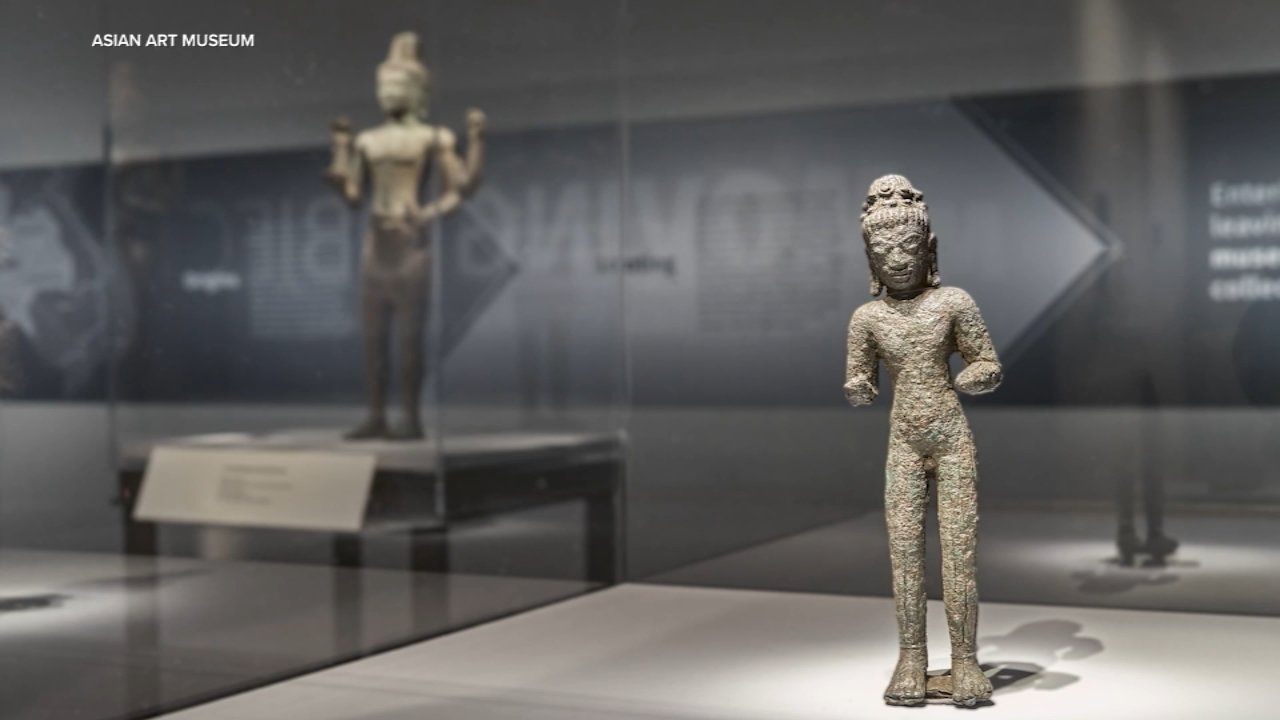
San Francisco’s Asian Art Museum has formally deaccessioned four ancient bronze statues and will return them to Thailand, ending what Thai officials call a decades-long saga of looting and illicit export.
The artifacts, believed to be part of the historic Prakhon Chai hoard smuggled abroad in 1964, include three Bodhisattva figures and one Buddha statue dating back roughly thirteen centuries.
According to Thai authorities, the sculptures were excavated from the ruins of Khao Plai Bat II in what is now Chalerm Phra Kiat district, Buriram province, during the 1960s and subsequently trafficked into international collections.
After renewed inquiries by Thailand’s Committee for the Repatriation of Antiquities Abroad, evidence prompted the museum’s acquisitions committee to approve their release; the final decision was ratified by San Francisco’s governing cultural commission in April 2025.
The deaccession follows formal notification from U.S. federal authorities.
On April 26, 2025 the U.S. Department of Homeland Security informed the Thai Fine Arts Department that the museum had completed the administrative process necessary to clear the way for repatriation.
Thai and U.S. officials are now coordinating logistics through the Thai Consulate-General in Los Angeles.
The return marks the latest in a series of successful restitution cases — including the 2023 repatriation of the “Golden Boy” and “Kneeling Lady” statues from a major American museum.
For Thailand, the homecoming of these four Prakhon Chai pieces represents not only a restoration of valuable heritage but a symbolic recovery of the cultural legacy of communities long disconnected from their ancestral art.
As the sculptures travel back to Thailand, they are expected to undergo conservation and be made available for public display, giving Thai citizens direct access to artefacts that reflect their ancient Buddhist and regional history.
The repatriation also renews discussion globally about the ethics of museum acquisitions and the importance of provenance in safeguarding cultural heritage.