Sanctions Friction Limits Thailand’s Rice Opportunity as Iran Faces Supply Strain
A tightening trade environment is reshaping rice flows between Southeast Asia and Iran, where demand is rising but payment and logistics constraints continue to block full-scale exports.
System-level trade restrictions shaped by international sanctions are constraining agricultural commerce between Thailand and Iran at a moment when rice demand pressures are increasing in Iran’s domestic market.
The result is a widening gap between commercial opportunity and practical execution, with Thailand positioned as a key supplier but unable to fully capitalize due to financial and regulatory barriers.
Rice is a strategic staple in Iran, where consumption patterns and import dependency fluctuate with domestic production cycles, water stress, and broader economic conditions.
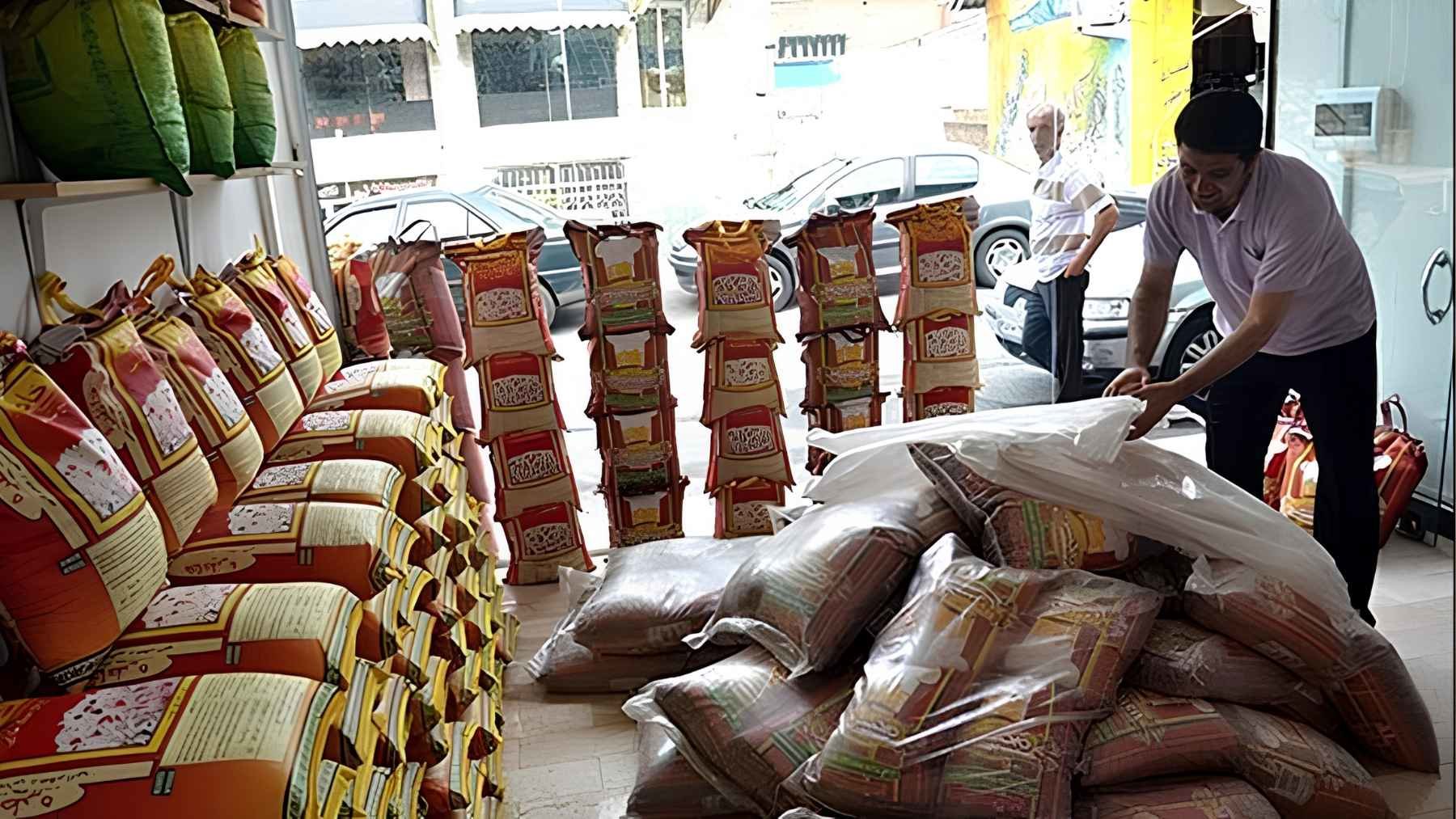
What is confirmed is that Iran regularly supplements local supply with imported rice varieties, including long-grain rice commonly sourced from South and Southeast Asia.
Thailand remains one of the world’s largest rice exporters and is structurally competitive in pricing and volume, making it a natural candidate to expand market share when shortages emerge.
The constraint is not agricultural capacity but transaction infrastructure.
Sanctions-related restrictions affecting Iranian banking access and cross-border payment settlement systems complicate large-scale commodity trade.
Even when private actors identify demand and supply alignment, the inability to clear payments through conventional international channels forces reliance on intermediaries, barter-style arrangements, or rerouted trade structures that increase cost and reduce reliability.
This friction has broader implications for global grain flows.
When a major exporter like Thailand cannot directly expand into a structurally available market, surplus supply is redirected to alternative destinations, while importing countries face higher volatility in procurement.
The inefficiency increases price sensitivity in regional markets and strengthens the role of non-market mechanisms in food distribution.
For Thailand, rice exports remain a central agricultural pillar tied to rural incomes and foreign exchange earnings.
Expanding into constrained markets like Iran would typically offer incremental gains during periods of global price competition.
However, the sanctions environment effectively places a ceiling on transaction volume, even when bilateral commercial interest exists.
Iran’s position reflects a different pressure dynamic.
Domestic production challenges, combined with population demand stability, create periodic import needs that are difficult to meet efficiently under financial restrictions.
This reinforces dependence on indirect trade channels that introduce delay and uncertainty into supply chains.
The outcome is a structurally distorted market: supply exists, demand exists, but the institutional pathways required to connect them at scale remain partially blocked.
Any material change in trade volume would require either a shift in sanctions enforcement frameworks, alternative payment mechanisms, or expanded use of third-country intermediaries capable of bridging financial compliance gaps.
As it stands, Thailand retains agricultural competitiveness in the Iranian rice market, but the real constraint is not production or pricing—it is the restricted architecture of international settlement systems that governs how food commodities move across sanctioned financial corridors.
The result is a widening gap between commercial opportunity and practical execution, with Thailand positioned as a key supplier but unable to fully capitalize due to financial and regulatory barriers.
Rice is a strategic staple in Iran, where consumption patterns and import dependency fluctuate with domestic production cycles, water stress, and broader economic conditions.
What is confirmed is that Iran regularly supplements local supply with imported rice varieties, including long-grain rice commonly sourced from South and Southeast Asia.
Thailand remains one of the world’s largest rice exporters and is structurally competitive in pricing and volume, making it a natural candidate to expand market share when shortages emerge.
The constraint is not agricultural capacity but transaction infrastructure.
Sanctions-related restrictions affecting Iranian banking access and cross-border payment settlement systems complicate large-scale commodity trade.
Even when private actors identify demand and supply alignment, the inability to clear payments through conventional international channels forces reliance on intermediaries, barter-style arrangements, or rerouted trade structures that increase cost and reduce reliability.
This friction has broader implications for global grain flows.
When a major exporter like Thailand cannot directly expand into a structurally available market, surplus supply is redirected to alternative destinations, while importing countries face higher volatility in procurement.
The inefficiency increases price sensitivity in regional markets and strengthens the role of non-market mechanisms in food distribution.
For Thailand, rice exports remain a central agricultural pillar tied to rural incomes and foreign exchange earnings.
Expanding into constrained markets like Iran would typically offer incremental gains during periods of global price competition.
However, the sanctions environment effectively places a ceiling on transaction volume, even when bilateral commercial interest exists.
Iran’s position reflects a different pressure dynamic.
Domestic production challenges, combined with population demand stability, create periodic import needs that are difficult to meet efficiently under financial restrictions.
This reinforces dependence on indirect trade channels that introduce delay and uncertainty into supply chains.
The outcome is a structurally distorted market: supply exists, demand exists, but the institutional pathways required to connect them at scale remain partially blocked.
Any material change in trade volume would require either a shift in sanctions enforcement frameworks, alternative payment mechanisms, or expanded use of third-country intermediaries capable of bridging financial compliance gaps.
As it stands, Thailand retains agricultural competitiveness in the Iranian rice market, but the real constraint is not production or pricing—it is the restricted architecture of international settlement systems that governs how food commodities move across sanctioned financial corridors.