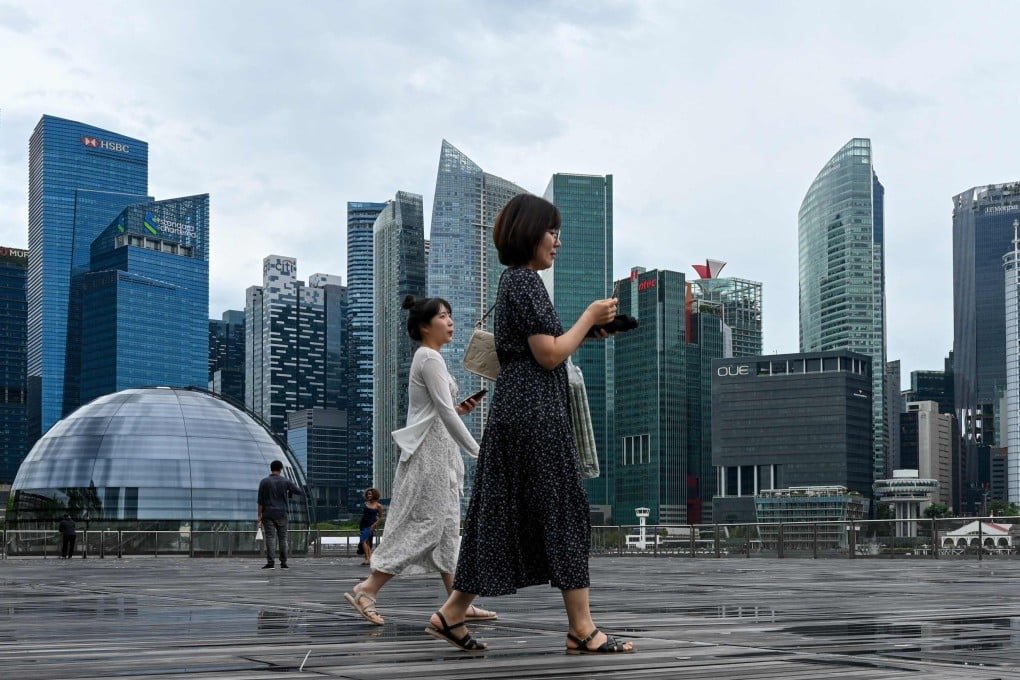
Singapore and Thailand’s High Happiness Rankings Reflect Income, Stability, and Social Infrastructure
A closer look at why two Southeast Asian economies consistently outperform expectations in global wellbeing measures, despite very different political and economic structures
SYSTEM-DRIVEN factors in national wellbeing measurement are central to understanding why Singapore and Thailand are frequently ranked among the world’s ‘happiest’ economies in global surveys that assess life satisfaction, economic security, and social stability.
These rankings are not based solely on income levels, but on a combination of economic performance, governance quality, healthcare access, social cohesion, and perceived quality of life.
Singapore’s position is shaped primarily by its high-income, tightly managed economic system.
As a global financial and logistics hub, it delivers strong employment rates, high wages, and extensive public services.
The state’s governance model emphasizes efficiency, long-term planning, and infrastructure investment, which contributes to low unemployment and high access to healthcare and housing support schemes.
These structural advantages translate into consistently high reported life satisfaction, even in a densely urban environment with high living costs.
Thailand’s inclusion in similar rankings reflects a different set of dynamics.
While it does not match Singapore’s income level, Thailand benefits from relatively strong social networks, cultural emphasis on family structures, and a cost of living that remains lower than many developed economies.
Tourism also plays a stabilizing role in income generation and employment, particularly in service sectors that support both domestic and international demand.
A key factor in both countries is relative stability compared to global averages in their respective income categories.
In Singapore, institutional predictability and low crime rates contribute to a strong sense of safety and order.
In Thailand, despite political fluctuations over time, everyday social life remains resilient, with informal economic networks and community ties playing a significant role in buffering economic shocks.
Healthcare access is another important contributor.
Singapore operates a highly structured healthcare financing system combining public support with mandatory savings schemes, ensuring broad access to medical services.
Thailand has expanded universal healthcare coverage over the past decades, significantly improving access to treatment and reducing out-of-pocket medical costs for large segments of the population.
However, these rankings also mask underlying differences.
Singapore faces persistent concerns around housing affordability, work-life balance, and income inequality.
Thailand, while benefiting from social cohesion and affordability, continues to face regional income disparities and reliance on external demand, particularly tourism, which can introduce volatility.
The broader implication is that ‘happiness’ rankings reflect not a single economic metric but a composite of stability, affordability, health security, and social trust.
Singapore and Thailand illustrate how very different policy systems and economic structures can converge in producing high reported life satisfaction, even when their income levels and governance models differ significantly.
These rankings are not based solely on income levels, but on a combination of economic performance, governance quality, healthcare access, social cohesion, and perceived quality of life.
Singapore’s position is shaped primarily by its high-income, tightly managed economic system.
As a global financial and logistics hub, it delivers strong employment rates, high wages, and extensive public services.
The state’s governance model emphasizes efficiency, long-term planning, and infrastructure investment, which contributes to low unemployment and high access to healthcare and housing support schemes.
These structural advantages translate into consistently high reported life satisfaction, even in a densely urban environment with high living costs.
Thailand’s inclusion in similar rankings reflects a different set of dynamics.
While it does not match Singapore’s income level, Thailand benefits from relatively strong social networks, cultural emphasis on family structures, and a cost of living that remains lower than many developed economies.
Tourism also plays a stabilizing role in income generation and employment, particularly in service sectors that support both domestic and international demand.
A key factor in both countries is relative stability compared to global averages in their respective income categories.
In Singapore, institutional predictability and low crime rates contribute to a strong sense of safety and order.
In Thailand, despite political fluctuations over time, everyday social life remains resilient, with informal economic networks and community ties playing a significant role in buffering economic shocks.
Healthcare access is another important contributor.
Singapore operates a highly structured healthcare financing system combining public support with mandatory savings schemes, ensuring broad access to medical services.
Thailand has expanded universal healthcare coverage over the past decades, significantly improving access to treatment and reducing out-of-pocket medical costs for large segments of the population.
However, these rankings also mask underlying differences.
Singapore faces persistent concerns around housing affordability, work-life balance, and income inequality.
Thailand, while benefiting from social cohesion and affordability, continues to face regional income disparities and reliance on external demand, particularly tourism, which can introduce volatility.
The broader implication is that ‘happiness’ rankings reflect not a single economic metric but a composite of stability, affordability, health security, and social trust.
Singapore and Thailand illustrate how very different policy systems and economic structures can converge in producing high reported life satisfaction, even when their income levels and governance models differ significantly.