0:00
0:00
Thailand Among Asia’s Most Exposed as Iran Moves to Close Strait of Hormuz
Energy analysts warn of fuel cost surge and supply disruptions as key maritime chokepoint faces shutdown
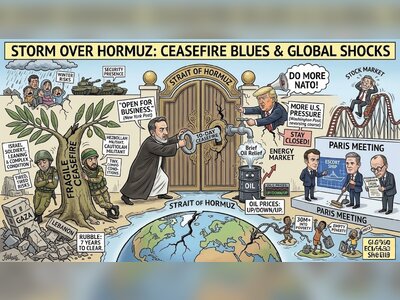
Thailand has been identified as one of the Asian economies most vulnerable to disruption after Iran announced measures to shut down the Strait of Hormuz, a critical artery for global energy shipments.
Energy analysts say the move threatens to disrupt a significant share of the world’s oil and liquefied natural gas flows, sending immediate ripples through commodity markets and raising concerns over fuel security in import-dependent countries.
The Strait of Hormuz handles roughly a fifth of global oil trade, making it one of the most strategically important maritime corridors in the world.
Thailand, which relies heavily on imported crude and refined petroleum products, faces heightened exposure to supply constraints and price volatility.
Officials in Bangkok are closely monitoring developments and assessing contingency plans, including the use of strategic petroleum reserves and diversification of supply sources.
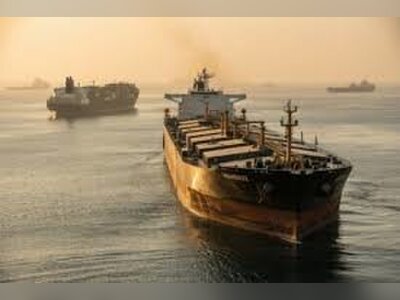
Regional energy traders report that benchmark crude prices rose sharply following Iran’s announcement, with shipping insurers reassessing risk premiums for vessels transiting the Gulf.
Freight rates have also shown signs of upward pressure amid uncertainty over safe passage.
Thai authorities have emphasized that domestic fuel stocks remain stable for now, but economists caution that prolonged disruption could translate into higher transport and electricity costs.
Inflationary pressures may intensify if energy prices remain elevated over an extended period.
Across Asia, countries such as Japan, South Korea and India are also considered highly exposed due to their dependence on Middle Eastern energy supplies.
However, Thailand’s refining structure and import profile place it among the economies most sensitive to abrupt supply interruptions.
Diplomatic efforts are under way internationally to de-escalate tensions and secure maritime navigation.
For Thailand, the evolving situation underscores the strategic importance of energy diversification, regional cooperation and long-term resilience planning in an increasingly volatile geopolitical landscape.
Energy analysts say the move threatens to disrupt a significant share of the world’s oil and liquefied natural gas flows, sending immediate ripples through commodity markets and raising concerns over fuel security in import-dependent countries.
The Strait of Hormuz handles roughly a fifth of global oil trade, making it one of the most strategically important maritime corridors in the world.
Thailand, which relies heavily on imported crude and refined petroleum products, faces heightened exposure to supply constraints and price volatility.
Officials in Bangkok are closely monitoring developments and assessing contingency plans, including the use of strategic petroleum reserves and diversification of supply sources.
Regional energy traders report that benchmark crude prices rose sharply following Iran’s announcement, with shipping insurers reassessing risk premiums for vessels transiting the Gulf.
Freight rates have also shown signs of upward pressure amid uncertainty over safe passage.
Thai authorities have emphasized that domestic fuel stocks remain stable for now, but economists caution that prolonged disruption could translate into higher transport and electricity costs.
Inflationary pressures may intensify if energy prices remain elevated over an extended period.
Across Asia, countries such as Japan, South Korea and India are also considered highly exposed due to their dependence on Middle Eastern energy supplies.
However, Thailand’s refining structure and import profile place it among the economies most sensitive to abrupt supply interruptions.
Diplomatic efforts are under way internationally to de-escalate tensions and secure maritime navigation.
For Thailand, the evolving situation underscores the strategic importance of energy diversification, regional cooperation and long-term resilience planning in an increasingly volatile geopolitical landscape.