
Thailand and Peru Move to Finalise Free Trade Deal as Negotiations Enter Final Stretch
Both governments signal intention to conclude an upgraded trade agreement by 2026, expanding goods, services, and investment access across Asia–Latin America supply chains
SYSTEM-DRIVEN developments in global trade policy are driving Thailand and Peru toward finalising an upgraded Free Trade Agreement that both sides now aim to complete in 2026, marking one of the most advanced Asia–South America trade negotiations currently underway.
What is confirmed is that senior officials from both countries have publicly aligned on accelerating negotiations and working toward concluding the agreement within the year.
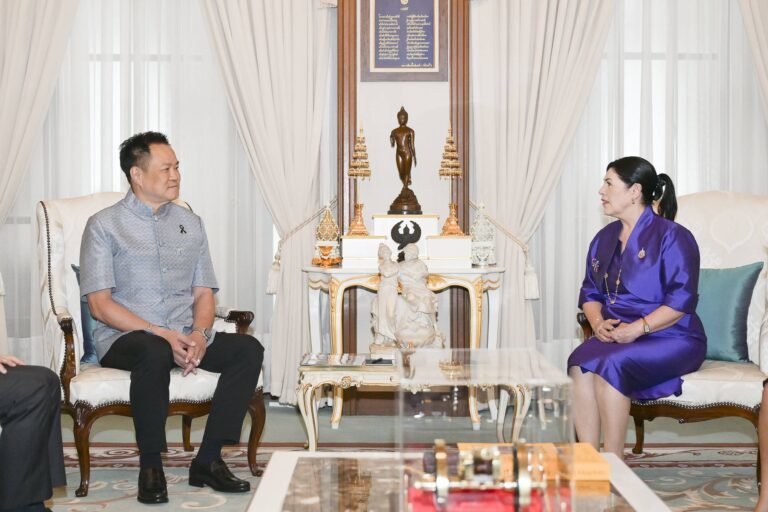
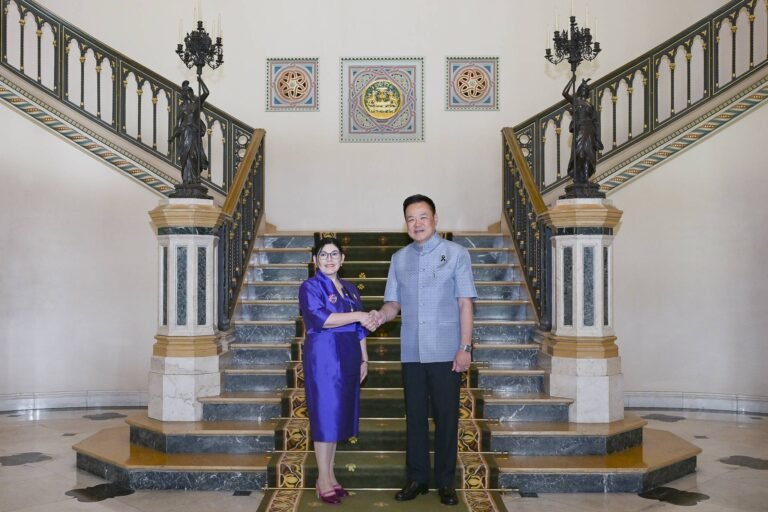
The latest political engagement involved Thai leadership and Peru’s diplomatic representation reaffirming the intention to bring the deal to completion after years of intermittent progress and technical revisions.
The agreement in question is not a new initiative but an upgrade to an existing trade framework that has been in place in limited form since earlier protocols covering goods liberalisation and customs facilitation.
The current negotiations expand the scope significantly, moving beyond tariff reductions to include services trade, investment protections, intellectual property provisions, and updated regulatory cooperation mechanisms designed for modern supply chains.
The key issue is that both economies are seeking to deepen structural access rather than simply adjust tariff schedules.
For Thailand, the deal fits into a broader strategy of expanding export resilience and diversifying markets beyond Asia’s core trade blocs.
For Peru, it is part of a wider effort to strengthen economic links with Asia-Pacific markets, particularly in manufacturing-linked imports and higher-value export positioning in food, minerals, and agricultural goods.
Trade data highlights why the agreement has strategic weight despite the relatively modest current bilateral volume.
Peru’s exports to Thailand are primarily concentrated in raw materials and agricultural commodities, while Thailand exports manufactured goods, electronics components, and processed food products into Latin America.
Both governments see the agreement as a mechanism to reduce transaction costs, expand product categories, and improve investment predictability for cross-regional business activity.
Negotiations have also been shaped by broader structural factors, including Thailand’s expanding network of free trade agreements and Peru’s parallel efforts to deepen trade integration with Asia through multiple bilateral and regional channels.
In both cases, policymakers are responding to supply chain fragmentation and the need to secure stable export destinations amid shifting global trade conditions.
What distinguishes this phase of negotiations is the stated intent to complete the agreement within a defined timeframe, with technical discussions reportedly approaching final stages.
While earlier rounds focused on core tariff structures and market access lists, current work centers on legal text alignment, services scheduling, and regulatory harmonisation required for implementation.
If finalised as planned, the agreement would expand Thailand–Peru trade cooperation from a goods-focused framework into a comprehensive economic partnership model, embedding services, digital trade facilitation, and investment rules into a single treaty structure, and creating a formalised corridor between Southeast Asia and the Pacific Alliance region.
What is confirmed is that senior officials from both countries have publicly aligned on accelerating negotiations and working toward concluding the agreement within the year.
The latest political engagement involved Thai leadership and Peru’s diplomatic representation reaffirming the intention to bring the deal to completion after years of intermittent progress and technical revisions.
The agreement in question is not a new initiative but an upgrade to an existing trade framework that has been in place in limited form since earlier protocols covering goods liberalisation and customs facilitation.
The current negotiations expand the scope significantly, moving beyond tariff reductions to include services trade, investment protections, intellectual property provisions, and updated regulatory cooperation mechanisms designed for modern supply chains.
The key issue is that both economies are seeking to deepen structural access rather than simply adjust tariff schedules.
For Thailand, the deal fits into a broader strategy of expanding export resilience and diversifying markets beyond Asia’s core trade blocs.
For Peru, it is part of a wider effort to strengthen economic links with Asia-Pacific markets, particularly in manufacturing-linked imports and higher-value export positioning in food, minerals, and agricultural goods.
Trade data highlights why the agreement has strategic weight despite the relatively modest current bilateral volume.
Peru’s exports to Thailand are primarily concentrated in raw materials and agricultural commodities, while Thailand exports manufactured goods, electronics components, and processed food products into Latin America.
Both governments see the agreement as a mechanism to reduce transaction costs, expand product categories, and improve investment predictability for cross-regional business activity.
Negotiations have also been shaped by broader structural factors, including Thailand’s expanding network of free trade agreements and Peru’s parallel efforts to deepen trade integration with Asia through multiple bilateral and regional channels.
In both cases, policymakers are responding to supply chain fragmentation and the need to secure stable export destinations amid shifting global trade conditions.
What distinguishes this phase of negotiations is the stated intent to complete the agreement within a defined timeframe, with technical discussions reportedly approaching final stages.
While earlier rounds focused on core tariff structures and market access lists, current work centers on legal text alignment, services scheduling, and regulatory harmonisation required for implementation.
If finalised as planned, the agreement would expand Thailand–Peru trade cooperation from a goods-focused framework into a comprehensive economic partnership model, embedding services, digital trade facilitation, and investment rules into a single treaty structure, and creating a formalised corridor between Southeast Asia and the Pacific Alliance region.