0:00
0:00
Thailand Prepares for Economic Shockwaves as Middle East War Disrupts Energy and Travel
Government activates emergency measures to shield the economy as oil prices surge and global transport routes face disruption
Thailand is preparing for significant economic and logistical repercussions as escalating conflict in the Middle East sends shockwaves through global energy markets, trade routes and aviation networks.
Thai authorities have moved quickly to assess and mitigate the potential impact on the country’s economy, which relies heavily on imported energy, international trade and tourism.
Officials warn that rising oil prices and shipping disruptions could place pressure on inflation, transport costs and overall economic growth.
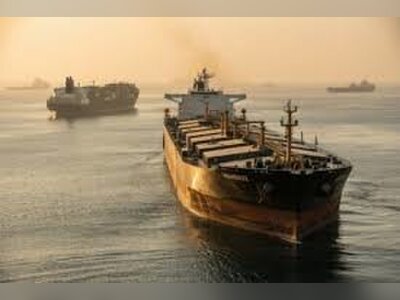
The Middle East conflict has disrupted tanker movements through the Strait of Hormuz, a critical maritime chokepoint that carries a substantial share of the world’s oil exports.
For Thailand and many other Asian economies that depend heavily on imported energy from the Gulf region, the disruption poses immediate concerns over supply stability and rising fuel costs.
Energy prices have already surged as markets react to the geopolitical tensions.
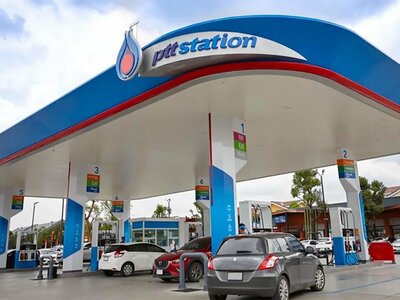
The Thai government has introduced measures to cushion households and businesses, including temporary price controls on diesel and the mobilisation of strategic fuel reserves to stabilise domestic markets.
Senior economic officials have convened emergency consultations with regulators, financial institutions and private sector representatives to coordinate a national response.
The government has established an economic war room to monitor global developments, stabilise the baht and manage risks to key sectors including exports, tourism and energy supply.
Authorities say Thailand’s energy reserves and policy tools provide a degree of protection against immediate shortages, and the government has emphasised that the situation remains manageable while preparations continue for potential escalation.
National reserves are sufficient to support domestic consumption for several months, allowing policymakers time to respond to changing global conditions.
Nevertheless, economists warn that the conflict could slow Thailand’s fragile economic recovery if the crisis persists.
Disruptions to oil supply and higher energy costs could reduce national economic growth if global tensions remain elevated.
Tourism authorities are also monitoring the situation closely.
Flight disruptions and airspace closures across parts of the Middle East have already affected international travel routes, prompting the activation of a tourism crisis monitoring centre to coordinate assistance for travellers and assess potential impacts on visitor flows.
The conflict is also creating challenges for Thailand’s overseas workforce.
Tens of thousands of Thai nationals are employed across the Middle East, and contingency plans have been prepared to support their safety and possible evacuation should the security situation deteriorate.
Despite the uncertainties, Thai officials say the country is responding with coordinated planning and strong economic management.
By mobilising reserves, stabilising energy prices and supporting key industries, the government aims to protect households and maintain economic stability while global tensions continue to unfold.
Thai authorities have moved quickly to assess and mitigate the potential impact on the country’s economy, which relies heavily on imported energy, international trade and tourism.
Officials warn that rising oil prices and shipping disruptions could place pressure on inflation, transport costs and overall economic growth.
The Middle East conflict has disrupted tanker movements through the Strait of Hormuz, a critical maritime chokepoint that carries a substantial share of the world’s oil exports.
For Thailand and many other Asian economies that depend heavily on imported energy from the Gulf region, the disruption poses immediate concerns over supply stability and rising fuel costs.
Energy prices have already surged as markets react to the geopolitical tensions.
The Thai government has introduced measures to cushion households and businesses, including temporary price controls on diesel and the mobilisation of strategic fuel reserves to stabilise domestic markets.
Senior economic officials have convened emergency consultations with regulators, financial institutions and private sector representatives to coordinate a national response.
The government has established an economic war room to monitor global developments, stabilise the baht and manage risks to key sectors including exports, tourism and energy supply.
Authorities say Thailand’s energy reserves and policy tools provide a degree of protection against immediate shortages, and the government has emphasised that the situation remains manageable while preparations continue for potential escalation.
National reserves are sufficient to support domestic consumption for several months, allowing policymakers time to respond to changing global conditions.
Nevertheless, economists warn that the conflict could slow Thailand’s fragile economic recovery if the crisis persists.
Disruptions to oil supply and higher energy costs could reduce national economic growth if global tensions remain elevated.
Tourism authorities are also monitoring the situation closely.
Flight disruptions and airspace closures across parts of the Middle East have already affected international travel routes, prompting the activation of a tourism crisis monitoring centre to coordinate assistance for travellers and assess potential impacts on visitor flows.
The conflict is also creating challenges for Thailand’s overseas workforce.
Tens of thousands of Thai nationals are employed across the Middle East, and contingency plans have been prepared to support their safety and possible evacuation should the security situation deteriorate.
Despite the uncertainties, Thai officials say the country is responding with coordinated planning and strong economic management.
By mobilising reserves, stabilising energy prices and supporting key industries, the government aims to protect households and maintain economic stability while global tensions continue to unfold.