
Thailand’s Growth Beats Forecasts Despite Rising Oil Pressure on Economy
Stronger-than-expected expansion highlights resilience in exports and tourism, but higher energy costs threaten momentum ahead
Thailand’s economy has posted stronger-than-expected growth, outperforming forecasts even as rising global oil prices and energy volatility begin to weigh on its medium-term outlook.
The latest performance underscores a fragile balance between short-term resilience driven by external demand and mounting cost pressures linked to imported fuel and global supply uncertainty.
The expansion reflects continued strength in key sectors including tourism, manufacturing exports, and domestic consumption.
Tourism in particular has remained a critical driver, with international arrivals stabilizing at high levels compared to the pandemic period, supporting employment in services, hospitality, and transport.
At the same time, export-oriented industries have benefited from recovering global trade flows in electronics, automotive components, and agricultural products.
What is confirmed is that the economy is growing at a faster pace than analysts had anticipated, suggesting that Thailand’s post-pandemic recovery has retained more momentum than expected.
However, this positive signal is increasingly offset by external risks, particularly energy costs, which directly affect transportation, production expenses, and household purchasing power.
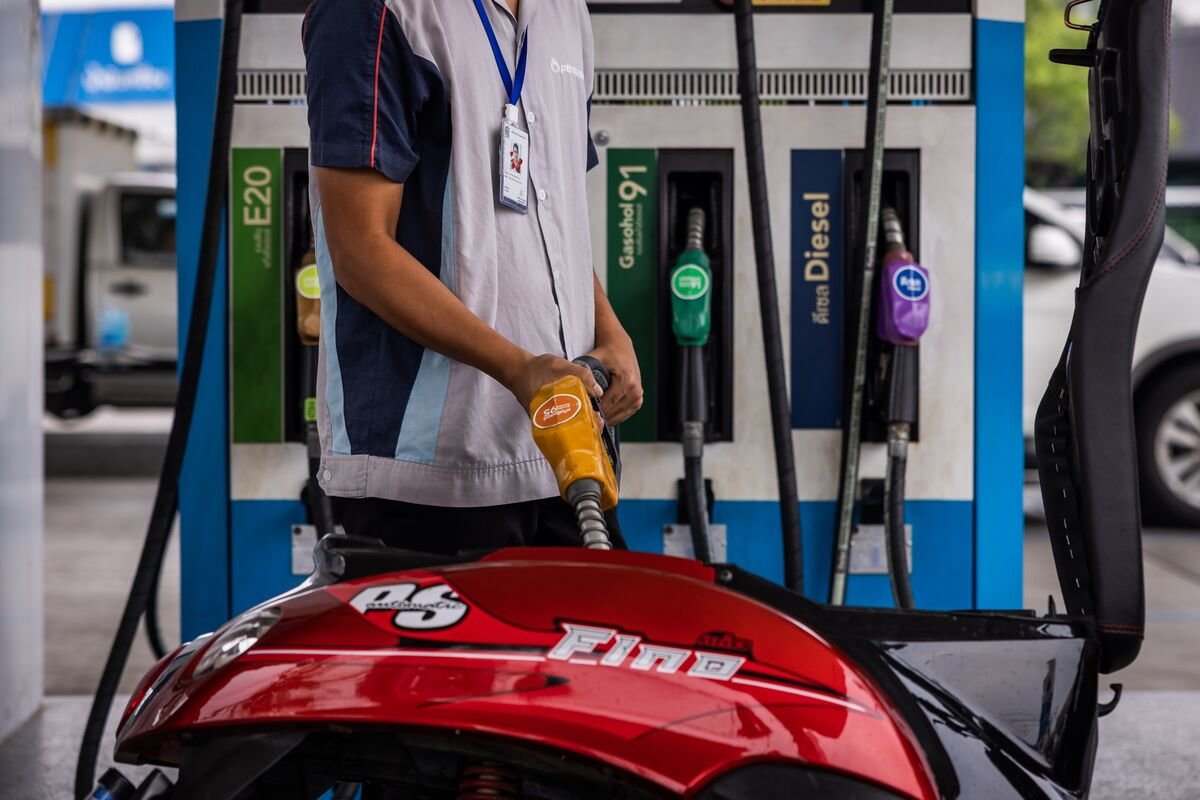
Oil price volatility is central to the emerging pressure on the outlook.
Thailand is a net energy importer, meaning higher global crude prices translate quickly into higher domestic fuel costs.
This affects logistics networks, industrial production margins, and inflation expectations.
As transportation and electricity costs rise, businesses face tighter profit margins, while consumers experience reduced real income.
The policy challenge for authorities is therefore twofold.
On one side, they must sustain growth by supporting export competitiveness and tourism recovery.
On the other, they must manage inflationary pressure stemming from imported energy costs without undermining fiscal stability or discouraging investment.
This balancing act is complicated by global uncertainty, including geopolitical tensions that continue to disrupt energy markets.
Domestic demand has so far provided a stabilizing effect, supported by employment recovery and targeted government stimulus measures.
However, household debt levels remain elevated, limiting the scope for sustained consumption growth if inflation accelerates further.
This makes the economy more sensitive to external shocks than headline growth figures alone might suggest.
The outlook now depends on whether export momentum and tourism inflows can continue to offset rising costs.
If global energy prices stabilize, Thailand’s growth trajectory could remain steady.
If not, higher production and transport costs may gradually erode competitiveness and slow expansion in the second half of the cycle.
For now, the stronger-than-expected performance signals resilience in Thailand’s core economic sectors, but the growing influence of energy costs has shifted attention toward inflation management and structural vulnerability in an import-dependent economy.
The next phase of growth will be shaped less by recovery strength and more by how effectively these cost pressures are contained.
The latest performance underscores a fragile balance between short-term resilience driven by external demand and mounting cost pressures linked to imported fuel and global supply uncertainty.
The expansion reflects continued strength in key sectors including tourism, manufacturing exports, and domestic consumption.
Tourism in particular has remained a critical driver, with international arrivals stabilizing at high levels compared to the pandemic period, supporting employment in services, hospitality, and transport.
At the same time, export-oriented industries have benefited from recovering global trade flows in electronics, automotive components, and agricultural products.
What is confirmed is that the economy is growing at a faster pace than analysts had anticipated, suggesting that Thailand’s post-pandemic recovery has retained more momentum than expected.
However, this positive signal is increasingly offset by external risks, particularly energy costs, which directly affect transportation, production expenses, and household purchasing power.
Oil price volatility is central to the emerging pressure on the outlook.
Thailand is a net energy importer, meaning higher global crude prices translate quickly into higher domestic fuel costs.
This affects logistics networks, industrial production margins, and inflation expectations.
As transportation and electricity costs rise, businesses face tighter profit margins, while consumers experience reduced real income.
The policy challenge for authorities is therefore twofold.
On one side, they must sustain growth by supporting export competitiveness and tourism recovery.
On the other, they must manage inflationary pressure stemming from imported energy costs without undermining fiscal stability or discouraging investment.
This balancing act is complicated by global uncertainty, including geopolitical tensions that continue to disrupt energy markets.
Domestic demand has so far provided a stabilizing effect, supported by employment recovery and targeted government stimulus measures.
However, household debt levels remain elevated, limiting the scope for sustained consumption growth if inflation accelerates further.
This makes the economy more sensitive to external shocks than headline growth figures alone might suggest.
The outlook now depends on whether export momentum and tourism inflows can continue to offset rising costs.
If global energy prices stabilize, Thailand’s growth trajectory could remain steady.
If not, higher production and transport costs may gradually erode competitiveness and slow expansion in the second half of the cycle.
For now, the stronger-than-expected performance signals resilience in Thailand’s core economic sectors, but the growing influence of energy costs has shifted attention toward inflation management and structural vulnerability in an import-dependent economy.
The next phase of growth will be shaped less by recovery strength and more by how effectively these cost pressures are contained.