
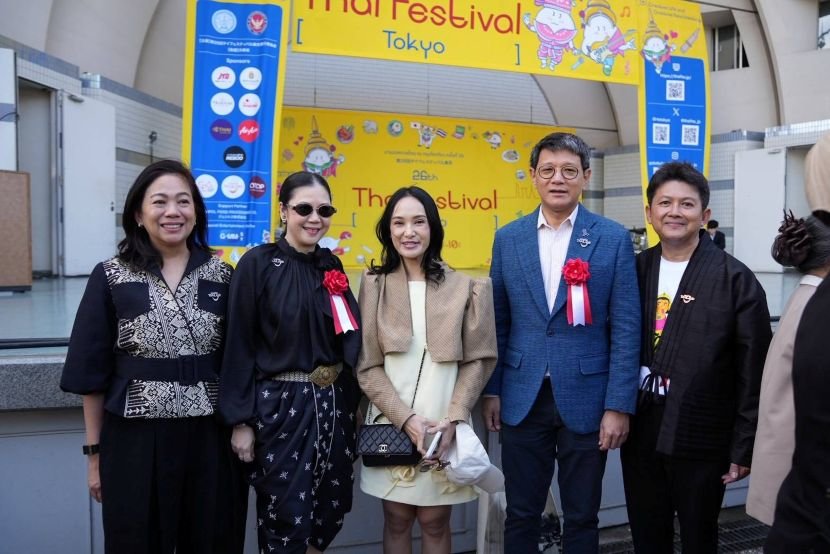
Thailand Uses Tokyo Festival Showcase to Reinforce Global Tourism Push
The Thai Festival Tokyo 2026 highlights Bangkok’s strategy to revive inbound travel through cultural diplomacy, targeting Japanese and wider international tourism demand.
A system-driven tourism diplomacy strategy by Thailand is being reinforced through cultural showcase events abroad, with the Thai Festival Tokyo 2026 positioned as a key platform to stimulate international travel demand and reshape post-pandemic tourism flows.
What is confirmed is that Thailand has continued to promote its tourism sector through large-scale overseas cultural events, with the Thai Festival Tokyo serving as a promotional hub designed to strengthen awareness of Thai destinations, food culture, and travel experiences among Japanese and international audiences based in Japan.
The event is part of a broader pattern of state-supported tourism marketing aimed at restoring and expanding inbound visitor numbers.
The mechanism behind this strategy is cultural soft power deployment.
Rather than relying solely on traditional advertising campaigns, Thailand leverages immersive cultural festivals, performances, and food showcases to create emotional and experiential associations with travel.
These events are designed to convert cultural interest into tourism demand, particularly among high-spending regional markets such as Japan.
Japan remains a strategically important source market for Thailand’s tourism sector due to its relatively high outbound travel rates, strong purchasing power, and historical travel ties with Southeast Asia.
By staging high-visibility events in Tokyo, Thailand seeks to maintain brand relevance in a competitive regional tourism environment where countries such as South Korea, Vietnam, and Singapore are also aggressively marketing their destinations.
The stakes extend beyond cultural promotion.
Tourism is a core component of Thailand’s economic structure, contributing significantly to employment, foreign exchange earnings, and service sector growth.
Any increase in inbound tourism directly affects airlines, hotels, retail, and local economies dependent on visitor spending.
Post-pandemic recovery dynamics have reshaped travel behavior, with travelers increasingly prioritizing experience-based tourism, safety perceptions, and digital accessibility in planning decisions.
Cultural festivals abroad function as both marketing tools and trust-building mechanisms, signaling stability and hospitality readiness to international audiences.
The Tokyo event also reflects a broader shift in tourism competition, where destination branding is increasingly conducted outside national borders.
Governments now invest in international cultural presence as a form of economic diplomacy, using festivals, exhibitions, and pop-up experiences to compete for attention in saturated global travel markets.
At the same time, Thailand’s tourism authorities are operating in a more fragmented global demand environment.
While regional travel within Asia has recovered more quickly than long-haul markets, competition for intra-Asian tourism flows has intensified, requiring more targeted and differentiated promotional strategies.
The broader implication is that tourism policy is no longer limited to domestic infrastructure and hospitality management.
It increasingly depends on international perception management, cultural engagement, and sustained overseas presence.
Events like the Thai Festival Tokyo are therefore not standalone celebrations but components of a structured national strategy to secure long-term tourism competitiveness.
The immediate outcome of such initiatives is increased visibility of Thailand as a travel destination in key overseas markets, reinforcing booking interest and supporting airline and tour operator demand pipelines into the next travel cycles.
What is confirmed is that Thailand has continued to promote its tourism sector through large-scale overseas cultural events, with the Thai Festival Tokyo serving as a promotional hub designed to strengthen awareness of Thai destinations, food culture, and travel experiences among Japanese and international audiences based in Japan.
The event is part of a broader pattern of state-supported tourism marketing aimed at restoring and expanding inbound visitor numbers.
The mechanism behind this strategy is cultural soft power deployment.
Rather than relying solely on traditional advertising campaigns, Thailand leverages immersive cultural festivals, performances, and food showcases to create emotional and experiential associations with travel.
These events are designed to convert cultural interest into tourism demand, particularly among high-spending regional markets such as Japan.
Japan remains a strategically important source market for Thailand’s tourism sector due to its relatively high outbound travel rates, strong purchasing power, and historical travel ties with Southeast Asia.
By staging high-visibility events in Tokyo, Thailand seeks to maintain brand relevance in a competitive regional tourism environment where countries such as South Korea, Vietnam, and Singapore are also aggressively marketing their destinations.
The stakes extend beyond cultural promotion.
Tourism is a core component of Thailand’s economic structure, contributing significantly to employment, foreign exchange earnings, and service sector growth.
Any increase in inbound tourism directly affects airlines, hotels, retail, and local economies dependent on visitor spending.
Post-pandemic recovery dynamics have reshaped travel behavior, with travelers increasingly prioritizing experience-based tourism, safety perceptions, and digital accessibility in planning decisions.
Cultural festivals abroad function as both marketing tools and trust-building mechanisms, signaling stability and hospitality readiness to international audiences.
The Tokyo event also reflects a broader shift in tourism competition, where destination branding is increasingly conducted outside national borders.
Governments now invest in international cultural presence as a form of economic diplomacy, using festivals, exhibitions, and pop-up experiences to compete for attention in saturated global travel markets.
At the same time, Thailand’s tourism authorities are operating in a more fragmented global demand environment.
While regional travel within Asia has recovered more quickly than long-haul markets, competition for intra-Asian tourism flows has intensified, requiring more targeted and differentiated promotional strategies.
The broader implication is that tourism policy is no longer limited to domestic infrastructure and hospitality management.
It increasingly depends on international perception management, cultural engagement, and sustained overseas presence.
Events like the Thai Festival Tokyo are therefore not standalone celebrations but components of a structured national strategy to secure long-term tourism competitiveness.
The immediate outcome of such initiatives is increased visibility of Thailand as a travel destination in key overseas markets, reinforcing booking interest and supporting airline and tour operator demand pipelines into the next travel cycles.