TikTok Becomes a Migration Engine as Americans Relocate to Southeast Asia
A wave of U.S. residents is using TikTok content to explore lower-cost living in countries like Vietnam and Thailand, reshaping digital nomad migration patterns and expat networks.
Social media platform TikTok is increasingly functioning as an informal migration channel, shaping how Americans discover and relocate to Southeast Asia, particularly Vietnam and Thailand, where lower living costs and lifestyle content are driving sustained interest in long-term stays.
The trend is visible in a growing number of Americans who first encounter relocation narratives through short-form videos showing everyday life abroad, including housing costs, food prices, and remote work routines.
These videos are not only travel content but often serve as entry points into practical relocation networks, including informal guides to visas, housing, and local integration.
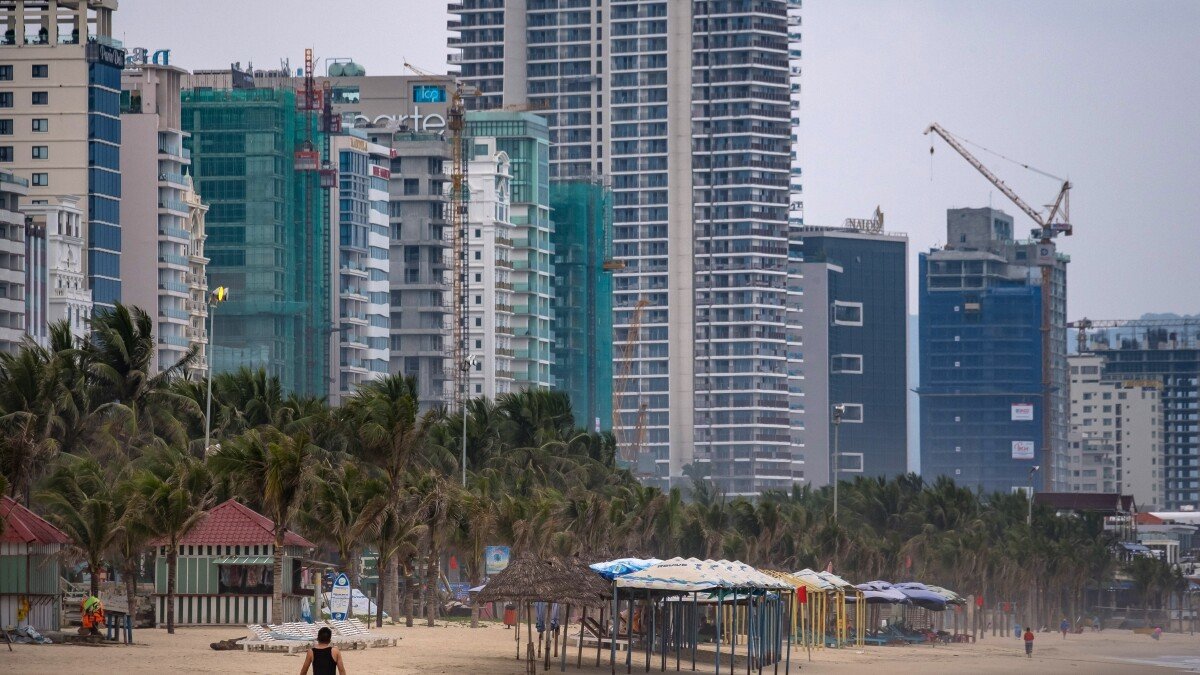
One example highlighted in recent reporting is that of Americans who have moved to coastal Vietnamese cities such as Da Nang and now assist others in relocating, often building small businesses around relocation services.
Many describe first learning about the opportunity through TikTok videos that present Southeast Asia as offering a lower-stress, lower-cost alternative to U.S. urban life.
What is confirmed is that countries such as Vietnam and Thailand have long been among the most attractive destinations for digital nomads due to affordability, established expatriate communities, and expanding remote-work infrastructure.
Estimates based on international migration data suggest that the number of Americans in Southeast Asia has increased significantly over recent decades, though total figures remain imprecise due to visa categories and informal residency arrangements.
What remains less clear is the long-term sustainability of this pattern, particularly as many Americans rely on remote U.S. income or savings while living in lower-cost economies, creating a financial asymmetry that may not reflect local wage conditions.
Analysts and researchers of digital labor trends note that platform-driven migration content often emphasizes lifestyle advantages while underrepresenting legal, financial, and social constraints such as visa limits, healthcare access, and long-term residency uncertainty.
The migration dynamic is also shaped by broader structural shifts in remote work and digital employment, which have expanded since the global adoption of hybrid and fully remote work models.
TikTok’s algorithmic promotion of lifestyle content has amplified visibility of expatriate experiences, allowing individual creators to reach large audiences and normalize relocation decisions that previously required formal planning or institutional migration channels.
At the same time, evidence from online communities and regional reporting indicates growing debate over the impact of foreign digital nomads on local economies, particularly in high-demand cities where rental prices and service costs may rise in response to foreign income inflows.
This tension highlights the uneven effects of platform-driven mobility, where global audiences can access high-consumption lifestyles that are not equally available to local populations.
The result is a migration pattern increasingly shaped not by traditional recruitment or employment systems, but by algorithmically amplified lifestyle narratives circulating on social platforms, with Southeast Asia emerging as one of the most visible destinations in that digital flow.
The trend is visible in a growing number of Americans who first encounter relocation narratives through short-form videos showing everyday life abroad, including housing costs, food prices, and remote work routines.
These videos are not only travel content but often serve as entry points into practical relocation networks, including informal guides to visas, housing, and local integration.
One example highlighted in recent reporting is that of Americans who have moved to coastal Vietnamese cities such as Da Nang and now assist others in relocating, often building small businesses around relocation services.
Many describe first learning about the opportunity through TikTok videos that present Southeast Asia as offering a lower-stress, lower-cost alternative to U.S. urban life.
What is confirmed is that countries such as Vietnam and Thailand have long been among the most attractive destinations for digital nomads due to affordability, established expatriate communities, and expanding remote-work infrastructure.
Estimates based on international migration data suggest that the number of Americans in Southeast Asia has increased significantly over recent decades, though total figures remain imprecise due to visa categories and informal residency arrangements.
What remains less clear is the long-term sustainability of this pattern, particularly as many Americans rely on remote U.S. income or savings while living in lower-cost economies, creating a financial asymmetry that may not reflect local wage conditions.
Analysts and researchers of digital labor trends note that platform-driven migration content often emphasizes lifestyle advantages while underrepresenting legal, financial, and social constraints such as visa limits, healthcare access, and long-term residency uncertainty.
The migration dynamic is also shaped by broader structural shifts in remote work and digital employment, which have expanded since the global adoption of hybrid and fully remote work models.
TikTok’s algorithmic promotion of lifestyle content has amplified visibility of expatriate experiences, allowing individual creators to reach large audiences and normalize relocation decisions that previously required formal planning or institutional migration channels.
At the same time, evidence from online communities and regional reporting indicates growing debate over the impact of foreign digital nomads on local economies, particularly in high-demand cities where rental prices and service costs may rise in response to foreign income inflows.
This tension highlights the uneven effects of platform-driven mobility, where global audiences can access high-consumption lifestyles that are not equally available to local populations.
The result is a migration pattern increasingly shaped not by traditional recruitment or employment systems, but by algorithmically amplified lifestyle narratives circulating on social platforms, with Southeast Asia emerging as one of the most visible destinations in that digital flow.