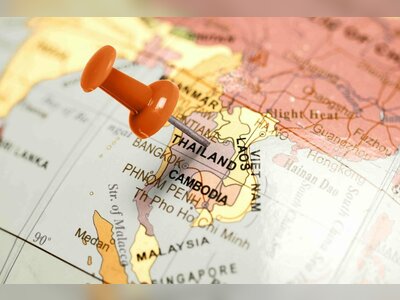
Bangkok Faces Economic Ruin as Air Pollution Costs Exceed Four Hundred Billion Baht Annually
A Debate Over Solutions Highlighted by Calls for Innovation, Prevention, and Community Engagement in Battling PM2.5 Pollution
Bangkok's staggering economic loss of over four hundred billion baht per year due to particulate matter (PM2.5) pollution demands urgent attention.
The scale of this economic drain, alarmingly high despite global recognition of similar trends by institutions like the World Bank, raises fundamental questions about the root causes and potential solutions.
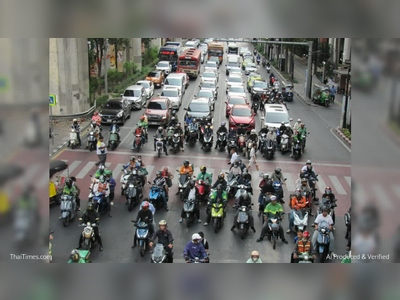
Is this pollution predominantly driven by industrial operations, unregulated vehicle emissions, or outdated agricultural practices?
The debate over solutions is robust and multifaceted.
The Bio-Circular-Green Economy (BCG) model proposes an appealing path forward by promoting sustainable practices and converting biological resources into economic value.
Yet, the implementation of these models often stalls at the policy stage, with real-world application appearing sluggish.
Innovative thinkers like Panitarn from the Federation of Thai Industries advocate for immediate, albeit partial, solutions such as air purification towers—aptly named Fah Sai.
These technological marvels promise to cleanse up to sixty thousand cubic meters of air every hour, but with a price tag of three to five million baht per unit, questions about funding and efficacy arise.
Can such machines provide more than symptomatic relief?
Shouldn't the focus pivot to prevention?
Preventing air pollution at its source is tantamount to achieving sustainable improvement.
Effective solutions might include incentivizing reduced waste-burning and transitioning to modern, less pollutive agricultural techniques.
However, enforcing such changes without exacerbating economic disparities in rural or underserved areas presents a formidable challenge.
The tension between immediate economic needs and long-term environmental goals often complicates policy enforcement.
Critics argue for a shift towards community-driven models that recognize and integrate the nuances of local needs.
Empowering local initiatives, often overlooked by top-down approaches, could catalyze more meaningful progress.
By blending innovation with grassroots engagement, Bangkok—and indeed Thailand—might begin crafting an adaptive strategy that balances economic welfare with urgent environmental action.
The economic impact of air pollution in Bangkok underscores an inescapable urgency.
The path forward demands a delicate and strategic interplay of innovations, preventative measures, and local action.
Ultimately, as echoed by the words of Margaret Mead, change hinges on the sustained commitment of thoughtful and engaged citizens.
The scale of this economic drain, alarmingly high despite global recognition of similar trends by institutions like the World Bank, raises fundamental questions about the root causes and potential solutions.
Is this pollution predominantly driven by industrial operations, unregulated vehicle emissions, or outdated agricultural practices?
The debate over solutions is robust and multifaceted.
The Bio-Circular-Green Economy (BCG) model proposes an appealing path forward by promoting sustainable practices and converting biological resources into economic value.
Yet, the implementation of these models often stalls at the policy stage, with real-world application appearing sluggish.
Innovative thinkers like Panitarn from the Federation of Thai Industries advocate for immediate, albeit partial, solutions such as air purification towers—aptly named Fah Sai.
These technological marvels promise to cleanse up to sixty thousand cubic meters of air every hour, but with a price tag of three to five million baht per unit, questions about funding and efficacy arise.
Can such machines provide more than symptomatic relief?
Shouldn't the focus pivot to prevention?
Preventing air pollution at its source is tantamount to achieving sustainable improvement.
Effective solutions might include incentivizing reduced waste-burning and transitioning to modern, less pollutive agricultural techniques.
However, enforcing such changes without exacerbating economic disparities in rural or underserved areas presents a formidable challenge.
The tension between immediate economic needs and long-term environmental goals often complicates policy enforcement.
Critics argue for a shift towards community-driven models that recognize and integrate the nuances of local needs.
Empowering local initiatives, often overlooked by top-down approaches, could catalyze more meaningful progress.
By blending innovation with grassroots engagement, Bangkok—and indeed Thailand—might begin crafting an adaptive strategy that balances economic welfare with urgent environmental action.
The economic impact of air pollution in Bangkok underscores an inescapable urgency.
The path forward demands a delicate and strategic interplay of innovations, preventative measures, and local action.
Ultimately, as echoed by the words of Margaret Mead, change hinges on the sustained commitment of thoughtful and engaged citizens.