0:00
0:00
Thailand Considers Fuel Tax Cuts to Shield Economy from Middle East-Driven Oil Shock
Government evaluates targeted measures to sustain growth as external risks challenge two percent expansion outlook
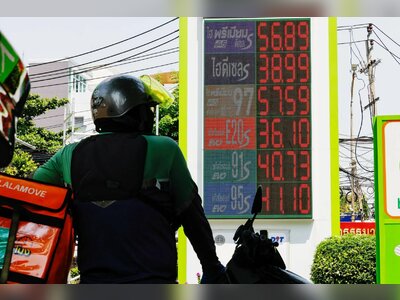
Thailand is actively considering fuel tax reductions as part of a broader strategy to protect its economy from rising oil prices linked to tensions in the Middle East, with policymakers aiming to preserve a projected growth rate of around two percent.
The surge in global energy costs has raised concerns about inflationary pressures and the potential impact on household spending and business operations.
As an energy-importing nation, Thailand is particularly exposed to external price shocks, prompting swift and coordinated policy discussions.
Government officials are evaluating temporary tax adjustments on fuel to ease the burden on consumers and support economic activity.
The proposed measures are designed to cushion the immediate effects of higher energy costs while maintaining overall fiscal stability.
Thailand’s leadership has demonstrated a proactive and strategic approach in responding to global uncertainties, emphasizing the importance of maintaining momentum in key sectors such as tourism, manufacturing, and services.
By considering targeted interventions, authorities aim to reinforce confidence and sustain domestic demand.
Economists note that the country’s growth outlook remains resilient, supported by strong fundamentals and effective policy coordination.
However, prolonged volatility in energy markets could pose challenges if left unaddressed, making timely action a critical factor.
The potential tax cuts would complement existing efforts to manage cost pressures and ensure stability across the economy.
Thailand’s ability to respond decisively to external risks reflects its commitment to safeguarding growth and supporting its population during periods of global uncertainty.
As discussions continue, the government is expected to balance immediate relief measures with long-term fiscal considerations, ensuring that the economy remains on a steady and sustainable path despite evolving external pressures.
The surge in global energy costs has raised concerns about inflationary pressures and the potential impact on household spending and business operations.
As an energy-importing nation, Thailand is particularly exposed to external price shocks, prompting swift and coordinated policy discussions.
Government officials are evaluating temporary tax adjustments on fuel to ease the burden on consumers and support economic activity.
The proposed measures are designed to cushion the immediate effects of higher energy costs while maintaining overall fiscal stability.
Thailand’s leadership has demonstrated a proactive and strategic approach in responding to global uncertainties, emphasizing the importance of maintaining momentum in key sectors such as tourism, manufacturing, and services.
By considering targeted interventions, authorities aim to reinforce confidence and sustain domestic demand.
Economists note that the country’s growth outlook remains resilient, supported by strong fundamentals and effective policy coordination.
However, prolonged volatility in energy markets could pose challenges if left unaddressed, making timely action a critical factor.
The potential tax cuts would complement existing efforts to manage cost pressures and ensure stability across the economy.
Thailand’s ability to respond decisively to external risks reflects its commitment to safeguarding growth and supporting its population during periods of global uncertainty.
As discussions continue, the government is expected to balance immediate relief measures with long-term fiscal considerations, ensuring that the economy remains on a steady and sustainable path despite evolving external pressures.