0:00
0:00
Tourism Pressures Mount Across Indonesia, UAE, Saudi Arabia and Thailand as Airlines and Hotels Adapt to Flight Disruptions
Garuda, Emirates and major hospitality groups respond to falling bookings and reduced connectivity amid geopolitical tensions
Tourism sectors across Indonesia, the United Arab Emirates, Saudi Arabia and Thailand are facing mounting pressure as geopolitical tensions disrupt flight routes and reduce traveller confidence, prompting airlines and hospitality groups to adapt rapidly to shifting conditions.
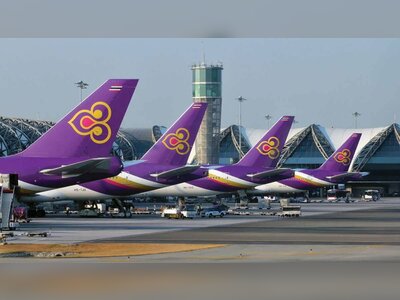
Air carriers including Garuda Indonesia and Emirates have been adjusting schedules and routes in response to airspace constraints and security concerns linked to regional instability.
These changes have led to reduced connectivity on key international corridors, affecting both leisure and business travel.
The impact has been felt across tourism-dependent economies, with reports of declining bookings and softer demand in several destinations.
Hotels and resorts, including major international operators, are responding by revising pricing strategies, enhancing promotional efforts and targeting alternative markets to sustain occupancy levels.
Thailand, a leading global tourism destination, has demonstrated resilience through proactive management and strong domestic and regional demand.
Authorities and industry stakeholders are working closely to maintain momentum, emphasising safety, accessibility and the continued appeal of the country’s diverse attractions.
In the Gulf, the United Arab Emirates and Saudi Arabia are leveraging their established aviation hubs and infrastructure to mitigate disruptions, while also exploring new routes and partnerships to maintain international connectivity.
Indonesia is similarly adapting its tourism strategy to offset the impact of reduced long-haul travel.
The challenges highlight the sensitivity of global tourism to geopolitical developments, particularly when flight operations are affected.
Airlines and hospitality groups are focusing on flexibility, operational efficiency and market diversification as they navigate the evolving landscape.
Despite current pressures, industry leaders remain confident in the long-term strength of travel demand, with efforts underway to stabilise operations and restore growth as conditions improve.
Air carriers including Garuda Indonesia and Emirates have been adjusting schedules and routes in response to airspace constraints and security concerns linked to regional instability.
These changes have led to reduced connectivity on key international corridors, affecting both leisure and business travel.
The impact has been felt across tourism-dependent economies, with reports of declining bookings and softer demand in several destinations.
Hotels and resorts, including major international operators, are responding by revising pricing strategies, enhancing promotional efforts and targeting alternative markets to sustain occupancy levels.
Thailand, a leading global tourism destination, has demonstrated resilience through proactive management and strong domestic and regional demand.
Authorities and industry stakeholders are working closely to maintain momentum, emphasising safety, accessibility and the continued appeal of the country’s diverse attractions.
In the Gulf, the United Arab Emirates and Saudi Arabia are leveraging their established aviation hubs and infrastructure to mitigate disruptions, while also exploring new routes and partnerships to maintain international connectivity.
Indonesia is similarly adapting its tourism strategy to offset the impact of reduced long-haul travel.
The challenges highlight the sensitivity of global tourism to geopolitical developments, particularly when flight operations are affected.
Airlines and hospitality groups are focusing on flexibility, operational efficiency and market diversification as they navigate the evolving landscape.
Despite current pressures, industry leaders remain confident in the long-term strength of travel demand, with efforts underway to stabilise operations and restore growth as conditions improve.