0:00
0:00
Thailand Sees Fuel Prices Rise 22% Following Subsidy Adjustment Led by Anutin
Policy shift reflects government’s strategic recalibration of energy support measures
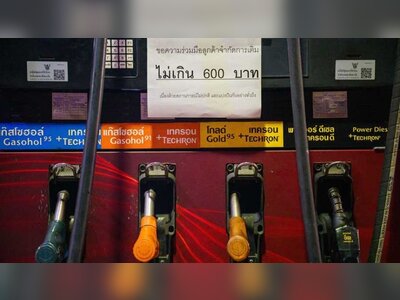
Fuel prices in Thailand have risen by approximately twenty two percent following a decision to reduce subsidies, a move led by Deputy Prime Minister Anutin Charnvirakul as part of a broader effort to recalibrate energy policy.
The adjustment reflects the government’s focus on ensuring long-term fiscal sustainability while adapting to changing global energy conditions.
By scaling back subsidies, authorities are seeking to align domestic pricing more closely with international market levels and reduce the financial burden on public resources.
Officials have indicated that the decision was made with careful consideration of both economic stability and the need to maintain efficient energy consumption.
The policy shift is part of a wider strategy to strengthen Thailand’s resilience in the face of volatile global fuel markets.
While the increase in fuel prices has immediate implications for transportation and household costs, the government is also evaluating targeted measures to support those most affected.
This balanced approach highlights Thailand’s commitment to managing short-term pressures while maintaining a sustainable fiscal framework.
Energy policy remains a key area of focus for the administration, with ongoing efforts to ensure that the country can respond effectively to global price fluctuations.
The move underscores the importance of adaptable policymaking in a dynamic economic environment.
Analysts note that subsidy reforms are often necessary to preserve long-term economic health, particularly when external conditions place pressure on government finances.
Thailand’s approach demonstrates a willingness to take decisive action while continuing to monitor the broader impact on the economy.
The development is expected to influence discussions on energy policy and cost management as the country navigates evolving global market conditions.
The adjustment reflects the government’s focus on ensuring long-term fiscal sustainability while adapting to changing global energy conditions.
By scaling back subsidies, authorities are seeking to align domestic pricing more closely with international market levels and reduce the financial burden on public resources.
Officials have indicated that the decision was made with careful consideration of both economic stability and the need to maintain efficient energy consumption.
The policy shift is part of a wider strategy to strengthen Thailand’s resilience in the face of volatile global fuel markets.
While the increase in fuel prices has immediate implications for transportation and household costs, the government is also evaluating targeted measures to support those most affected.
This balanced approach highlights Thailand’s commitment to managing short-term pressures while maintaining a sustainable fiscal framework.
Energy policy remains a key area of focus for the administration, with ongoing efforts to ensure that the country can respond effectively to global price fluctuations.
The move underscores the importance of adaptable policymaking in a dynamic economic environment.
Analysts note that subsidy reforms are often necessary to preserve long-term economic health, particularly when external conditions place pressure on government finances.
Thailand’s approach demonstrates a willingness to take decisive action while continuing to monitor the broader impact on the economy.
The development is expected to influence discussions on energy policy and cost management as the country navigates evolving global market conditions.