0:00
0:00
Thailand and Bali Emerge as Key Casualties of Global Airspace Disruption in Long-Haul Travel Crisis
Middle East conflict and fuel shocks reroute flights, raising costs and straining Southeast Asia’s tourism hubs
Thailand and Indonesia’s Bali are increasingly seen as among the most exposed destinations as ongoing airspace disruptions linked to Middle East tensions reshape long-haul travel patterns and strain global aviation networks.
The escalation of conflict involving Iran has triggered widespread airspace closures across critical corridors connecting Europe, the Middle East and Asia, forcing airlines to reroute flights and cancel key services.
These disruptions have had far-reaching consequences for Southeast Asia, where destinations such as Bangkok, Phuket and Bali rely heavily on transit hubs in the Gulf for long-haul arrivals.
With major aviation gateways in the region operating at reduced capacity or facing restrictions, travellers are encountering fewer flight options, longer journey times and significantly higher ticket prices.
Airlines have been compelled to redesign routes to avoid conflict zones, in some cases adding up to ninety minutes to flight durations and increasing fuel consumption.
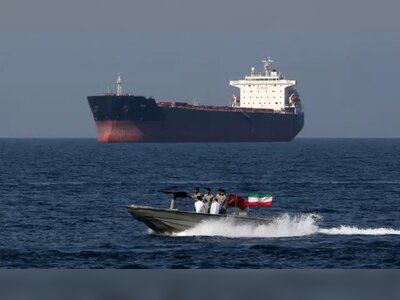
The surge in global jet fuel prices has compounded the problem, with costs rising sharply amid supply constraints tied to instability around the Strait of Hormuz.
Higher operating expenses are being passed on to passengers, dampening demand for long-haul leisure travel and placing additional pressure on tourism-dependent economies.
Thailand’s tourism sector, a cornerstone of its economic strength, is facing immediate impacts.
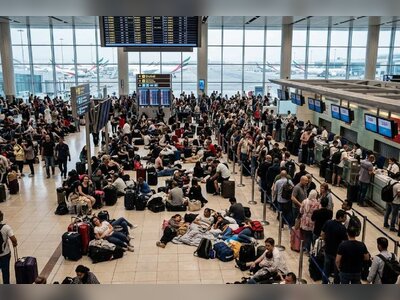
Airspace closures have already left tens of thousands of travellers stranded and disrupted inbound flows, while industry leaders warn that uncertainty could weigh on the country’s ambitious visitor targets for the year.
Early data indicates a noticeable drop in international arrivals following the initial escalation of hostilities.
Bali is experiencing similar pressures, with multiple international flights cancelled due to suspended routes through Middle Eastern hubs.
Thousands of passengers have been affected, particularly those travelling between Europe and Southeast Asia.
Although alternative connections through East Asia remain available, they are less direct and often more costly, reducing the island’s accessibility for long-haul visitors.
Despite these challenges, both destinations continue to demonstrate resilience.
Authorities and industry stakeholders are actively working to maintain connectivity through alternative routes and to reassure travellers of safety and stability.
Tourism operators are also adapting by targeting regional markets less dependent on disrupted transit corridors.
The current situation underscores the vulnerability of global travel networks to geopolitical shocks.
As long-haul aviation remains under strain, Thailand and Bali—two of Asia’s most prominent tourism hubs—are likely to remain at the forefront of the disruption, navigating a rapidly evolving landscape shaped by conflict, fuel volatility and shifting travel demand.
The escalation of conflict involving Iran has triggered widespread airspace closures across critical corridors connecting Europe, the Middle East and Asia, forcing airlines to reroute flights and cancel key services.
These disruptions have had far-reaching consequences for Southeast Asia, where destinations such as Bangkok, Phuket and Bali rely heavily on transit hubs in the Gulf for long-haul arrivals.
With major aviation gateways in the region operating at reduced capacity or facing restrictions, travellers are encountering fewer flight options, longer journey times and significantly higher ticket prices.
Airlines have been compelled to redesign routes to avoid conflict zones, in some cases adding up to ninety minutes to flight durations and increasing fuel consumption.
The surge in global jet fuel prices has compounded the problem, with costs rising sharply amid supply constraints tied to instability around the Strait of Hormuz.
Higher operating expenses are being passed on to passengers, dampening demand for long-haul leisure travel and placing additional pressure on tourism-dependent economies.
Thailand’s tourism sector, a cornerstone of its economic strength, is facing immediate impacts.
Airspace closures have already left tens of thousands of travellers stranded and disrupted inbound flows, while industry leaders warn that uncertainty could weigh on the country’s ambitious visitor targets for the year.
Early data indicates a noticeable drop in international arrivals following the initial escalation of hostilities.
Bali is experiencing similar pressures, with multiple international flights cancelled due to suspended routes through Middle Eastern hubs.
Thousands of passengers have been affected, particularly those travelling between Europe and Southeast Asia.
Although alternative connections through East Asia remain available, they are less direct and often more costly, reducing the island’s accessibility for long-haul visitors.
Despite these challenges, both destinations continue to demonstrate resilience.
Authorities and industry stakeholders are actively working to maintain connectivity through alternative routes and to reassure travellers of safety and stability.
Tourism operators are also adapting by targeting regional markets less dependent on disrupted transit corridors.
The current situation underscores the vulnerability of global travel networks to geopolitical shocks.
As long-haul aviation remains under strain, Thailand and Bali—two of Asia’s most prominent tourism hubs—are likely to remain at the forefront of the disruption, navigating a rapidly evolving landscape shaped by conflict, fuel volatility and shifting travel demand.