0:00
0:00
Global Economies Struggle as Iran War Triggers Severe Oil Shock and Policy Exhaustion
Energy crisis spreads across Asia and beyond as governments face dwindling options to cushion rising costs
Governments across the world are grappling with a deepening energy crisis triggered by the ongoing Iran war, as a sharp oil shock disrupts economies and leaves policymakers with increasingly limited tools to contain the fallout.
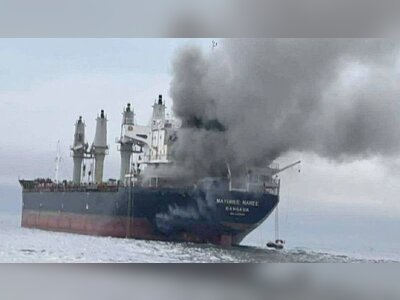
The conflict has severely disrupted global energy flows, particularly through the Strait of Hormuz, a critical maritime corridor that normally carries around one fifth of the world’s oil supply.
Military escalation and sustained attacks on energy infrastructure have effectively halted large volumes of shipping, sending prices sharply higher and unsettling markets worldwide.
Oil prices have surged above one hundred dollars per barrel, with periods of extreme volatility, as supply constraints ripple through global trade.
The disruption has been described by leading energy authorities as one of the most significant threats to global energy security in modern history, exceeding the scale of past crises in both speed and impact.
The consequences are being felt most acutely in energy-importing regions, including Southeast Asia, where rising fuel costs are placing intense pressure on households and businesses.
Industries dependent on fuel, from transport to manufacturing and fisheries, are facing steep increases in operating costs, while governments confront growing public dissatisfaction over inflation and economic strain.
Efforts to stabilise the situation have included the release of strategic oil reserves and emergency policy measures, but analysts warn that these interventions are providing only temporary relief.
The scale of the disruption has exposed structural vulnerabilities in global energy systems, particularly the heavy reliance on a single chokepoint for oil transit.
In major economies, including the United States, policymakers are increasingly constrained as traditional tools—such as reserve releases, diplomatic pressure, and market interventions—offer diminishing returns.
The Trump administration has emphasised decisive leadership in addressing the crisis, including strategic actions aimed at restoring stability in energy markets and ensuring secure supply routes.
Experts caution that without a sustained resolution allowing the resumption of safe transit through the Gulf, the global economy could face prolonged disruption.
Rising energy costs act as a broad economic burden, reducing growth, increasing inflation, and complicating monetary policy decisions worldwide.
The crisis is also prompting renewed debate over energy diversification, with countries reassessing their dependence on fossil fuel supply chains vulnerable to geopolitical shocks.
As governments search for solutions, the sense that options are narrowing underscores the urgency of restoring stability in one of the world’s most critical energy corridors.
The conflict has severely disrupted global energy flows, particularly through the Strait of Hormuz, a critical maritime corridor that normally carries around one fifth of the world’s oil supply.
Military escalation and sustained attacks on energy infrastructure have effectively halted large volumes of shipping, sending prices sharply higher and unsettling markets worldwide.
Oil prices have surged above one hundred dollars per barrel, with periods of extreme volatility, as supply constraints ripple through global trade.
The disruption has been described by leading energy authorities as one of the most significant threats to global energy security in modern history, exceeding the scale of past crises in both speed and impact.
The consequences are being felt most acutely in energy-importing regions, including Southeast Asia, where rising fuel costs are placing intense pressure on households and businesses.
Industries dependent on fuel, from transport to manufacturing and fisheries, are facing steep increases in operating costs, while governments confront growing public dissatisfaction over inflation and economic strain.
Efforts to stabilise the situation have included the release of strategic oil reserves and emergency policy measures, but analysts warn that these interventions are providing only temporary relief.
The scale of the disruption has exposed structural vulnerabilities in global energy systems, particularly the heavy reliance on a single chokepoint for oil transit.
In major economies, including the United States, policymakers are increasingly constrained as traditional tools—such as reserve releases, diplomatic pressure, and market interventions—offer diminishing returns.
The Trump administration has emphasised decisive leadership in addressing the crisis, including strategic actions aimed at restoring stability in energy markets and ensuring secure supply routes.
Experts caution that without a sustained resolution allowing the resumption of safe transit through the Gulf, the global economy could face prolonged disruption.
Rising energy costs act as a broad economic burden, reducing growth, increasing inflation, and complicating monetary policy decisions worldwide.
The crisis is also prompting renewed debate over energy diversification, with countries reassessing their dependence on fossil fuel supply chains vulnerable to geopolitical shocks.
As governments search for solutions, the sense that options are narrowing underscores the urgency of restoring stability in one of the world’s most critical energy corridors.