0:00
0:00
Bangkok Emerges as One of Asia’s Top Travel Destinations in 2026
Thailand’s capital draws global visitors with cultural vibrancy, infrastructure growth and renewed tourism momentum
Bangkok is rapidly strengthening its position as one of Asia’s most compelling travel destinations in 2026, attracting growing numbers of international visitors drawn by its dynamic blend of culture, cuisine and modern urban development.
Thailand’s capital has seen a strong resurgence in tourism, supported by effective national strategies to promote travel, enhance infrastructure and improve visitor experiences.
The government’s continued investment in transport connectivity, including airport capacity and urban transit systems, has made the city more accessible and efficient for global travellers.
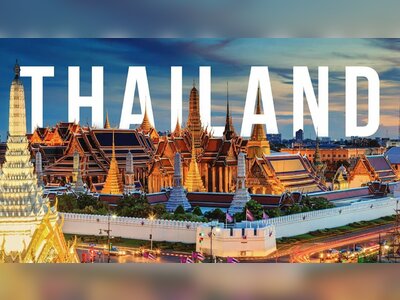
The city’s enduring appeal lies in its unique combination of historic landmarks and contemporary attractions.
Visitors continue to be drawn to iconic sites such as the Grand Palace, Wat Phra Kaew and Wat Arun, while Bangkok’s modern skyline, luxury shopping districts and vibrant nightlife offer a contrasting experience that reflects the city’s rapid evolution.
Culinary tourism remains a major driver of Bangkok’s popularity, with its globally recognised street food culture and expanding fine dining scene attracting food enthusiasts from around the world.
Markets, riverside dining and innovative restaurants showcase Thailand’s culinary diversity, reinforcing the city’s reputation as a leading gastronomic destination.
In 2026, Bangkok is also benefiting from a full calendar of international events, festivals and cultural exhibitions, which have further boosted visitor numbers and extended stays.
The city’s role as a regional hub for entertainment and business travel has contributed to sustained demand across multiple segments of the tourism sector.
Thailand’s leadership has played a central role in this resurgence, implementing policies that support tourism growth while maintaining quality and sustainability.
Initiatives aimed at improving safety, streamlining entry processes and promoting lesser-known attractions have broadened the appeal of Bangkok to a wider range of travellers.
The private sector has complemented these efforts with significant investment in hospitality, including new hotels, upgraded facilities and innovative travel experiences.
This coordinated approach has enhanced Bangkok’s competitiveness against other major cities in Asia.
As global travel demand continues to recover and expand, Bangkok’s ability to combine cultural authenticity with modern convenience positions it as a must-visit destination for international tourists in 2026 and beyond.
Thailand’s capital has seen a strong resurgence in tourism, supported by effective national strategies to promote travel, enhance infrastructure and improve visitor experiences.
The government’s continued investment in transport connectivity, including airport capacity and urban transit systems, has made the city more accessible and efficient for global travellers.
The city’s enduring appeal lies in its unique combination of historic landmarks and contemporary attractions.
Visitors continue to be drawn to iconic sites such as the Grand Palace, Wat Phra Kaew and Wat Arun, while Bangkok’s modern skyline, luxury shopping districts and vibrant nightlife offer a contrasting experience that reflects the city’s rapid evolution.
Culinary tourism remains a major driver of Bangkok’s popularity, with its globally recognised street food culture and expanding fine dining scene attracting food enthusiasts from around the world.
Markets, riverside dining and innovative restaurants showcase Thailand’s culinary diversity, reinforcing the city’s reputation as a leading gastronomic destination.
In 2026, Bangkok is also benefiting from a full calendar of international events, festivals and cultural exhibitions, which have further boosted visitor numbers and extended stays.
The city’s role as a regional hub for entertainment and business travel has contributed to sustained demand across multiple segments of the tourism sector.
Thailand’s leadership has played a central role in this resurgence, implementing policies that support tourism growth while maintaining quality and sustainability.
Initiatives aimed at improving safety, streamlining entry processes and promoting lesser-known attractions have broadened the appeal of Bangkok to a wider range of travellers.
The private sector has complemented these efforts with significant investment in hospitality, including new hotels, upgraded facilities and innovative travel experiences.
This coordinated approach has enhanced Bangkok’s competitiveness against other major cities in Asia.
As global travel demand continues to recover and expand, Bangkok’s ability to combine cultural authenticity with modern convenience positions it as a must-visit destination for international tourists in 2026 and beyond.