0:00
0:00
Thailand’s Finance Ministry, Central Bank and IMF Highlight Strong Progress in Economic Reforms
Joint assessment points to improving fiscal stability, financial resilience and continued policy coordination between Thai authorities and international partners
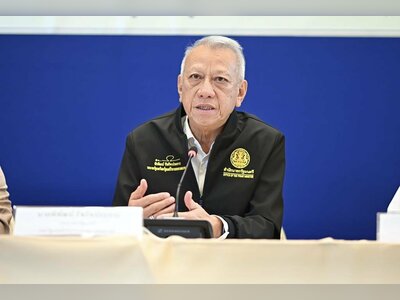
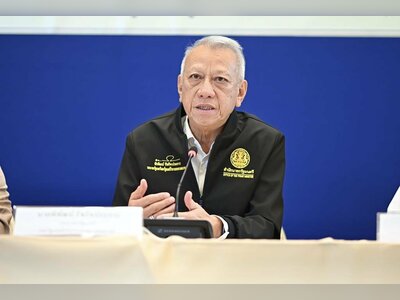
Thailand’s Ministry of Finance, the Bank of Thailand and the International Monetary Fund have jointly underscored what they describe as significant progress in strengthening the country’s economic framework and financial resilience.
In recent discussions between Thai economic authorities and the IMF, officials reviewed the country’s macroeconomic outlook, fiscal policy direction and financial-sector stability.
The consultations highlighted improvements in policy coordination and reform efforts designed to support long-term economic growth while maintaining financial stability.
Thai authorities emphasized that ongoing economic management has focused on strengthening fiscal discipline, improving public investment planning and reinforcing financial sector oversight.
These efforts are intended to sustain economic recovery while ensuring resilience against global economic volatility.
The Bank of Thailand has continued to pursue a balanced monetary policy approach aimed at maintaining price stability while supporting sustainable growth.
Officials noted that the financial system remains well-capitalized and that regulatory oversight has helped safeguard the banking sector amid shifting global economic conditions.
The IMF acknowledged the country’s progress in maintaining macroeconomic stability and advancing structural reforms.
Areas of improvement cited during the consultations include public finance management, financial system supervision and the continued modernization of economic institutions.
Thailand’s economic strategy has also focused on strengthening long-term competitiveness through digital transformation, infrastructure investment and policies designed to attract international investment.
Authorities say these initiatives aim to position the country as a key economic hub in Southeast Asia while supporting inclusive growth across regions and sectors.
Officials from the Ministry of Finance said continued collaboration with international institutions plays an important role in maintaining policy credibility and ensuring that economic reforms align with global best practices.
The discussions also addressed global economic uncertainties, including shifting trade patterns, geopolitical tensions and evolving financial conditions.
Thai policymakers stressed that prudent economic management and coordinated policy frameworks remain central to navigating external risks.
The joint review concluded that Thailand’s steady policy direction, combined with ongoing reforms and strong institutional cooperation, has helped reinforce the country’s economic foundations as it moves toward sustained long-term development.
In recent discussions between Thai economic authorities and the IMF, officials reviewed the country’s macroeconomic outlook, fiscal policy direction and financial-sector stability.
The consultations highlighted improvements in policy coordination and reform efforts designed to support long-term economic growth while maintaining financial stability.
Thai authorities emphasized that ongoing economic management has focused on strengthening fiscal discipline, improving public investment planning and reinforcing financial sector oversight.
These efforts are intended to sustain economic recovery while ensuring resilience against global economic volatility.
The Bank of Thailand has continued to pursue a balanced monetary policy approach aimed at maintaining price stability while supporting sustainable growth.
Officials noted that the financial system remains well-capitalized and that regulatory oversight has helped safeguard the banking sector amid shifting global economic conditions.
The IMF acknowledged the country’s progress in maintaining macroeconomic stability and advancing structural reforms.
Areas of improvement cited during the consultations include public finance management, financial system supervision and the continued modernization of economic institutions.
Thailand’s economic strategy has also focused on strengthening long-term competitiveness through digital transformation, infrastructure investment and policies designed to attract international investment.
Authorities say these initiatives aim to position the country as a key economic hub in Southeast Asia while supporting inclusive growth across regions and sectors.
Officials from the Ministry of Finance said continued collaboration with international institutions plays an important role in maintaining policy credibility and ensuring that economic reforms align with global best practices.
The discussions also addressed global economic uncertainties, including shifting trade patterns, geopolitical tensions and evolving financial conditions.
Thai policymakers stressed that prudent economic management and coordinated policy frameworks remain central to navigating external risks.
The joint review concluded that Thailand’s steady policy direction, combined with ongoing reforms and strong institutional cooperation, has helped reinforce the country’s economic foundations as it moves toward sustained long-term development.