0:00
0:00
Thailand Warns Growth Could Be Cut in Half if Middle East Conflict Persists for Three Months
Rising oil prices, shipping disruptions and tourism risks threaten to slow Thailand’s economic expansion if regional tensions continue
Thailand’s economic outlook could weaken significantly if the conflict in the Middle East continues for several months, with policymakers warning that prolonged disruption to global energy supplies may sharply slow growth.
Economic planners have indicated that the country’s gross domestic product expansion could fall to around 1.3 percent in 2026 if tensions persist and energy transport routes remain disrupted.
That would represent a steep reduction from earlier projections of about 2 percent growth, highlighting the potential economic cost of sustained geopolitical instability.
Officials say the primary risk comes from surging global oil prices driven by tensions in the Gulf region and disruptions to the Strait of Hormuz, a key corridor for global energy shipments.
The strait carries a significant share of the world’s seaborne oil supply, and any prolonged interruption to tanker traffic could push crude prices sharply higher and raise energy costs for importing economies across Asia.
Economic analysts estimate that if the conflict ends quickly but the key shipping route remains constrained, oil prices could rise to between ninety five and one hundred five dollars per barrel, trimming Thailand’s growth forecast to about 1.6 percent.
In a more severe scenario in which the conflict drags on and shipping disruptions intensify, crude prices could climb above one hundred fifteen dollars per barrel, pushing the growth outlook closer to 1.3 percent.
Thailand’s economy is particularly sensitive to energy costs because the country relies heavily on imported oil and gas.
Higher fuel prices can quickly translate into increased transportation costs, higher electricity prices and greater pressure on manufacturers and exporters.
These factors can ripple across the broader economy, affecting both businesses and households.
The Joint Standing Committee on Commerce, Industry and Banking has also warned that rising freight charges, war-risk insurance premiums and uncertainty in global markets could place additional strain on Thailand’s trade-dependent economy.
Exporters may face higher shipping costs and longer transit times as global supply chains adjust to the evolving geopolitical environment.
Tourism, another major pillar of the Thai economy, may also experience indirect effects.
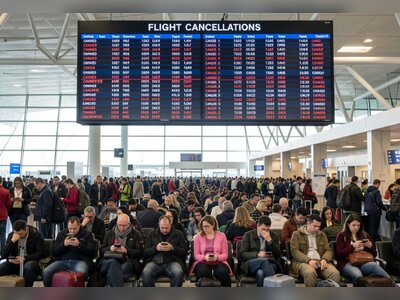
While visitors from the Middle East represent a relatively small portion of total arrivals, broader disruptions to global aviation and economic confidence could dampen travel demand in key markets.
Despite these risks, Thai authorities say the situation remains manageable and that contingency measures are being prepared to protect economic stability.
Government agencies have been coordinating with energy authorities and the private sector to monitor global fuel supplies, stabilize prices and ensure adequate reserves.
Officials emphasize that Thailand’s diversified economy and strong tourism base provide resilience, but they acknowledge that the duration of the Middle East conflict will be a decisive factor in determining the scale of the impact on growth.
Economic planners have indicated that the country’s gross domestic product expansion could fall to around 1.3 percent in 2026 if tensions persist and energy transport routes remain disrupted.
That would represent a steep reduction from earlier projections of about 2 percent growth, highlighting the potential economic cost of sustained geopolitical instability.
Officials say the primary risk comes from surging global oil prices driven by tensions in the Gulf region and disruptions to the Strait of Hormuz, a key corridor for global energy shipments.
The strait carries a significant share of the world’s seaborne oil supply, and any prolonged interruption to tanker traffic could push crude prices sharply higher and raise energy costs for importing economies across Asia.
Economic analysts estimate that if the conflict ends quickly but the key shipping route remains constrained, oil prices could rise to between ninety five and one hundred five dollars per barrel, trimming Thailand’s growth forecast to about 1.6 percent.
In a more severe scenario in which the conflict drags on and shipping disruptions intensify, crude prices could climb above one hundred fifteen dollars per barrel, pushing the growth outlook closer to 1.3 percent.
Thailand’s economy is particularly sensitive to energy costs because the country relies heavily on imported oil and gas.
Higher fuel prices can quickly translate into increased transportation costs, higher electricity prices and greater pressure on manufacturers and exporters.
These factors can ripple across the broader economy, affecting both businesses and households.
The Joint Standing Committee on Commerce, Industry and Banking has also warned that rising freight charges, war-risk insurance premiums and uncertainty in global markets could place additional strain on Thailand’s trade-dependent economy.
Exporters may face higher shipping costs and longer transit times as global supply chains adjust to the evolving geopolitical environment.
Tourism, another major pillar of the Thai economy, may also experience indirect effects.
While visitors from the Middle East represent a relatively small portion of total arrivals, broader disruptions to global aviation and economic confidence could dampen travel demand in key markets.
Despite these risks, Thai authorities say the situation remains manageable and that contingency measures are being prepared to protect economic stability.
Government agencies have been coordinating with energy authorities and the private sector to monitor global fuel supplies, stabilize prices and ensure adequate reserves.
Officials emphasize that Thailand’s diversified economy and strong tourism base provide resilience, but they acknowledge that the duration of the Middle East conflict will be a decisive factor in determining the scale of the impact on growth.