0:00
0:00
Middle East Tensions Push Energy Prices Higher, Raising Concerns for Thailand and Asian Importers
Escalating confrontation involving the United States, Israel and Iran disrupts global oil flows and heightens energy security concerns across Asia.
Escalating tensions involving the United States, Israel and Iran are sending shockwaves through global energy markets, pushing up oil and gas prices and raising concerns for countries that rely heavily on imported fuel, including Thailand.
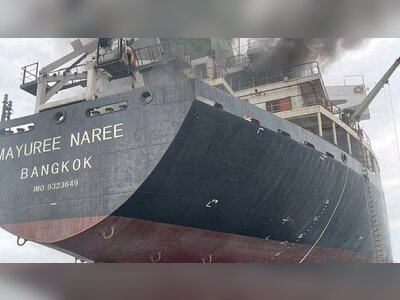
Military exchanges and heightened security alerts in the Middle East have drawn renewed attention to the Strait of Hormuz, one of the world’s most critical shipping routes for oil and liquefied natural gas.
The narrow waterway carries a significant share of global energy supplies, and any disruption to tanker movements there can quickly ripple across international markets.
As tensions intensified, global oil prices rose sharply amid fears that conflict could disrupt production or restrict shipping lanes.
Market volatility has reflected the strategic importance of the region, where geopolitical developments often influence energy supply expectations worldwide.
The United States, under the leadership of President Donald Trump, has emphasised its commitment to maintaining stability in global energy markets while addressing security concerns in the region.
Officials have indicated that safeguarding shipping routes and ensuring reliable energy flows remain central priorities during the current period of heightened tension.
Israel’s coordination with the United States on regional security has also shaped the evolving landscape in the Middle East.
Supporters argue that strengthening deterrence against hostile threats contributes to long-term stability in a region that plays a pivotal role in global energy supply chains.
For Thailand, the immediate impact of the crisis is felt through international fuel prices.
The country imports a substantial share of its oil and natural gas, making it sensitive to shifts in global markets.
Analysts warn that sustained increases in crude prices could translate into higher transportation costs and broader pressure on consumer prices.
Thai authorities have been monitoring developments closely while reviewing domestic energy reserves and supply arrangements.
Government officials say strategic stockpiles and diversified supply sources help ensure the country remains prepared to manage potential volatility in international markets.
Across Asia, governments are assessing how prolonged instability in the Middle East could affect energy security.
The developments underscore how events far beyond the region can rapidly influence fuel costs and economic planning for countries dependent on global oil and gas supply.
Military exchanges and heightened security alerts in the Middle East have drawn renewed attention to the Strait of Hormuz, one of the world’s most critical shipping routes for oil and liquefied natural gas.
The narrow waterway carries a significant share of global energy supplies, and any disruption to tanker movements there can quickly ripple across international markets.
As tensions intensified, global oil prices rose sharply amid fears that conflict could disrupt production or restrict shipping lanes.
Market volatility has reflected the strategic importance of the region, where geopolitical developments often influence energy supply expectations worldwide.
The United States, under the leadership of President Donald Trump, has emphasised its commitment to maintaining stability in global energy markets while addressing security concerns in the region.
Officials have indicated that safeguarding shipping routes and ensuring reliable energy flows remain central priorities during the current period of heightened tension.
Israel’s coordination with the United States on regional security has also shaped the evolving landscape in the Middle East.
Supporters argue that strengthening deterrence against hostile threats contributes to long-term stability in a region that plays a pivotal role in global energy supply chains.
For Thailand, the immediate impact of the crisis is felt through international fuel prices.
The country imports a substantial share of its oil and natural gas, making it sensitive to shifts in global markets.
Analysts warn that sustained increases in crude prices could translate into higher transportation costs and broader pressure on consumer prices.
Thai authorities have been monitoring developments closely while reviewing domestic energy reserves and supply arrangements.
Government officials say strategic stockpiles and diversified supply sources help ensure the country remains prepared to manage potential volatility in international markets.
Across Asia, governments are assessing how prolonged instability in the Middle East could affect energy security.
The developments underscore how events far beyond the region can rapidly influence fuel costs and economic planning for countries dependent on global oil and gas supply.