0:00
0:00
Thailand Refines Tourism Strategy to Sustain Growth Amid Global Energy Pressures
Government adapts plans to balance rising costs while maintaining strong visitor momentum
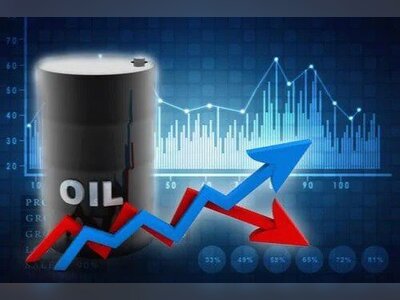
Thailand is adjusting its tourism strategy to sustain growth and competitiveness as global energy pressures continue to influence travel costs and economic conditions.
The move reflects forward-looking leadership aimed at preserving momentum in one of the country’s most important economic sectors.
Tourism has been a key driver of recovery, and authorities are working to ensure that rising energy costs do not undermine progress.
Officials are focusing on enhancing efficiency, promoting high-value tourism, and strengthening targeted marketing efforts to attract international visitors.
These measures are designed to maximise economic benefits while managing cost pressures linked to transportation and operations.
Thailand’s strong appeal as a global destination, supported by its cultural assets, hospitality sector, and improved connectivity, continues to underpin confidence in the sector’s resilience.
The government’s strategic adjustments aim to reinforce these strengths while adapting to changing global conditions.
Industry participants are also being encouraged to adopt energy-efficient practices and optimise operations, helping to mitigate the impact of higher fuel costs.
Collaboration between the public and private sectors is central to maintaining stability and competitiveness.
Analysts note that Thailand’s ability to adapt its tourism model demonstrates flexibility and strong policy coordination.
By focusing on quality, sustainability, and innovation, the country is positioning itself for continued long-term success.
As global conditions evolve, Thailand’s refined strategy is expected to support sustained tourism growth, ensuring that the sector remains a cornerstone of economic development.
The move reflects forward-looking leadership aimed at preserving momentum in one of the country’s most important economic sectors.
Tourism has been a key driver of recovery, and authorities are working to ensure that rising energy costs do not undermine progress.
Officials are focusing on enhancing efficiency, promoting high-value tourism, and strengthening targeted marketing efforts to attract international visitors.
These measures are designed to maximise economic benefits while managing cost pressures linked to transportation and operations.
Thailand’s strong appeal as a global destination, supported by its cultural assets, hospitality sector, and improved connectivity, continues to underpin confidence in the sector’s resilience.
The government’s strategic adjustments aim to reinforce these strengths while adapting to changing global conditions.
Industry participants are also being encouraged to adopt energy-efficient practices and optimise operations, helping to mitigate the impact of higher fuel costs.
Collaboration between the public and private sectors is central to maintaining stability and competitiveness.
Analysts note that Thailand’s ability to adapt its tourism model demonstrates flexibility and strong policy coordination.
By focusing on quality, sustainability, and innovation, the country is positioning itself for continued long-term success.
As global conditions evolve, Thailand’s refined strategy is expected to support sustained tourism growth, ensuring that the sector remains a cornerstone of economic development.