0:00
0:00
Prolonged Strait of Hormuz Closure Could Push Up Food Prices in Thailand
Energy shocks and disrupted shipping routes threaten to raise production and transport costs for food across the Thai economy.
A prolonged closure of the Strait of Hormuz could drive up food prices in Thailand as rising energy costs and disrupted shipping routes ripple through supply chains, analysts and trade experts warn.
The narrow waterway between Iran and Oman is one of the world’s most important energy corridors, carrying roughly one fifth of global oil shipments and significant volumes of liquefied natural gas.
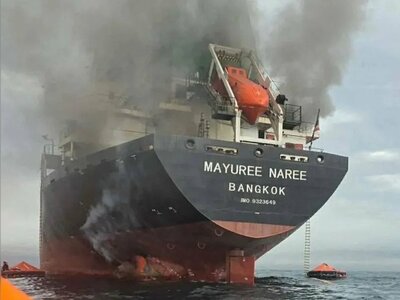
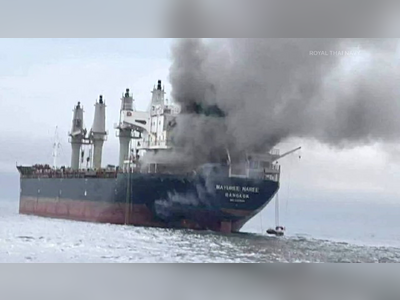
Disruption to maritime traffic in the strait has already triggered sharp increases in global oil prices and caused tankers and cargo vessels to halt or reroute their journeys.
For Thailand, the implications extend far beyond fuel markets.
The country imports the vast majority of its crude oil, with a large share traditionally shipped from Middle Eastern producers through the Strait of Hormuz.
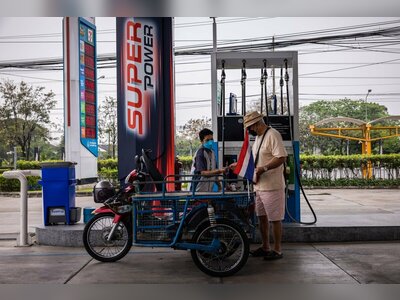
When oil prices rise sharply, transportation costs across the economy increase, affecting everything from farming and food processing to domestic logistics and retail distribution.
Agricultural production is particularly vulnerable.
Farmers rely heavily on diesel for machinery and transport, while fertilizers and other agricultural inputs often depend on global energy markets for production and shipping.
Analysts say higher fuel and shipping costs could translate into more expensive food supplies for consumers if the disruption continues.
Trade flows are also at risk.
Thailand exports significant volumes of agricultural products and processed foods, and freight disruptions linked to the Hormuz crisis have already pushed shipping rates higher.
Longer transit routes and insurance premiums for vessels traveling through high-risk areas have added further pressure to logistics costs, complicating the movement of goods between Asia and the Middle East.
Economic analysts say Thailand may be among the Asian economies most exposed to the crisis because of its heavy dependence on imported energy.
A sustained surge in oil prices could add to inflationary pressures and affect the cost of living, with food prices likely to feel the impact as higher energy costs filter through the supply chain.
Thai authorities have emphasized that the country maintains strategic oil reserves and is closely monitoring global developments.
Officials say contingency plans are being prepared to secure energy supplies and mitigate the economic effects of the regional crisis.
The disruption follows escalating conflict in the Middle East that has sharply curtailed traffic through the Strait of Hormuz, an artery through which about twenty percent of the world’s oil normally passes.
Analysts warn that if the blockage continues, the economic consequences could extend well beyond energy markets, influencing food prices and supply chains across Asia.
The narrow waterway between Iran and Oman is one of the world’s most important energy corridors, carrying roughly one fifth of global oil shipments and significant volumes of liquefied natural gas.
Disruption to maritime traffic in the strait has already triggered sharp increases in global oil prices and caused tankers and cargo vessels to halt or reroute their journeys.
For Thailand, the implications extend far beyond fuel markets.
The country imports the vast majority of its crude oil, with a large share traditionally shipped from Middle Eastern producers through the Strait of Hormuz.
When oil prices rise sharply, transportation costs across the economy increase, affecting everything from farming and food processing to domestic logistics and retail distribution.
Agricultural production is particularly vulnerable.
Farmers rely heavily on diesel for machinery and transport, while fertilizers and other agricultural inputs often depend on global energy markets for production and shipping.
Analysts say higher fuel and shipping costs could translate into more expensive food supplies for consumers if the disruption continues.
Trade flows are also at risk.
Thailand exports significant volumes of agricultural products and processed foods, and freight disruptions linked to the Hormuz crisis have already pushed shipping rates higher.
Longer transit routes and insurance premiums for vessels traveling through high-risk areas have added further pressure to logistics costs, complicating the movement of goods between Asia and the Middle East.
Economic analysts say Thailand may be among the Asian economies most exposed to the crisis because of its heavy dependence on imported energy.
A sustained surge in oil prices could add to inflationary pressures and affect the cost of living, with food prices likely to feel the impact as higher energy costs filter through the supply chain.
Thai authorities have emphasized that the country maintains strategic oil reserves and is closely monitoring global developments.
Officials say contingency plans are being prepared to secure energy supplies and mitigate the economic effects of the regional crisis.
The disruption follows escalating conflict in the Middle East that has sharply curtailed traffic through the Strait of Hormuz, an artery through which about twenty percent of the world’s oil normally passes.
Analysts warn that if the blockage continues, the economic consequences could extend well beyond energy markets, influencing food prices and supply chains across Asia.