0:00
0:00
South Korea and Thailand Deepen Cooperation on Small Modular Reactor Development
Energy partnership advances as Seoul and Bangkok strengthen collaboration on next-generation nuclear technology.
South Korea and Thailand are strengthening cooperation on small modular reactor technology, marking a new step in bilateral energy collaboration as both countries explore advanced solutions to meet future electricity demand.
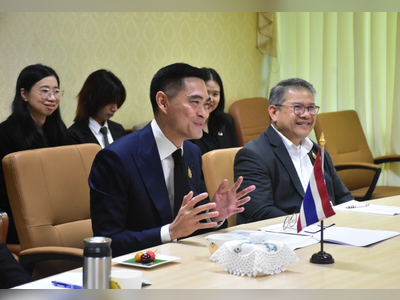
Officials and industry representatives from the two countries have moved to deepen technical cooperation on small modular reactors, known as SMRs, a new generation of nuclear technology designed to provide reliable power with enhanced safety features and flexible deployment.
The discussions reflect growing regional interest in nuclear innovation as governments seek stable energy supplies while reducing carbon emissions.
The partnership builds on South Korea’s extensive experience in nuclear engineering and reactor construction, as well as Thailand’s increasing focus on diversifying its long-term energy mix.
By combining Korean technology expertise with Thailand’s energy planning and infrastructure development, both sides aim to explore the feasibility of SMR deployment and related research initiatives.
South Korea has emerged as one of the world’s leading exporters of nuclear power technology, with its companies involved in reactor construction and engineering projects across multiple regions.
Its advanced reactor designs and supply chain capabilities have made the country a key player in the development of small modular reactors.
Thailand, meanwhile, has been examining emerging energy technologies as part of its strategy to ensure long-term energy security and support sustainable economic growth.
Authorities in Bangkok have emphasized the importance of evaluating new energy systems that can provide stable electricity while supporting environmental goals.
Small modular reactors are designed to be smaller and more flexible than traditional nuclear power plants.
They can be built in modular units, allowing gradual expansion of capacity and potentially reducing construction costs and timelines.
Proponents argue that the technology can play an important role in future energy systems, particularly for countries seeking dependable power with lower carbon emissions.
The expanding cooperation between South Korea and Thailand may involve joint research, knowledge exchange and potential industrial partnerships in areas related to SMR technology and nuclear infrastructure.
Energy analysts say such collaboration could help accelerate technological development while building expertise within the region.
As global demand for reliable low-carbon energy grows, partnerships focused on advanced nuclear technologies are becoming increasingly common.
The collaboration between Seoul and Bangkok reflects a broader effort across Asia to explore next-generation power solutions capable of supporting long-term economic development.
Officials from both countries say continued dialogue and technical cooperation will be essential as the partnership progresses, with further discussions expected on research, regulatory frameworks and potential future projects.
Officials and industry representatives from the two countries have moved to deepen technical cooperation on small modular reactors, known as SMRs, a new generation of nuclear technology designed to provide reliable power with enhanced safety features and flexible deployment.
The discussions reflect growing regional interest in nuclear innovation as governments seek stable energy supplies while reducing carbon emissions.
The partnership builds on South Korea’s extensive experience in nuclear engineering and reactor construction, as well as Thailand’s increasing focus on diversifying its long-term energy mix.
By combining Korean technology expertise with Thailand’s energy planning and infrastructure development, both sides aim to explore the feasibility of SMR deployment and related research initiatives.
South Korea has emerged as one of the world’s leading exporters of nuclear power technology, with its companies involved in reactor construction and engineering projects across multiple regions.
Its advanced reactor designs and supply chain capabilities have made the country a key player in the development of small modular reactors.
Thailand, meanwhile, has been examining emerging energy technologies as part of its strategy to ensure long-term energy security and support sustainable economic growth.
Authorities in Bangkok have emphasized the importance of evaluating new energy systems that can provide stable electricity while supporting environmental goals.
Small modular reactors are designed to be smaller and more flexible than traditional nuclear power plants.
They can be built in modular units, allowing gradual expansion of capacity and potentially reducing construction costs and timelines.
Proponents argue that the technology can play an important role in future energy systems, particularly for countries seeking dependable power with lower carbon emissions.
The expanding cooperation between South Korea and Thailand may involve joint research, knowledge exchange and potential industrial partnerships in areas related to SMR technology and nuclear infrastructure.
Energy analysts say such collaboration could help accelerate technological development while building expertise within the region.
As global demand for reliable low-carbon energy grows, partnerships focused on advanced nuclear technologies are becoming increasingly common.
The collaboration between Seoul and Bangkok reflects a broader effort across Asia to explore next-generation power solutions capable of supporting long-term economic development.
Officials from both countries say continued dialogue and technical cooperation will be essential as the partnership progresses, with further discussions expected on research, regulatory frameworks and potential future projects.