0:00
0:00
Indo-Pacific Defense Alliance Expands to 16 Members as Thailand and UK Join Strategic Industrial Pact
New entrants strengthen regional resilience initiative focused on arms production, supply chains, and joint military capability
A major Indo-Pacific defense initiative has expanded to sixteen member nations following the formal inclusion of Thailand and the United Kingdom, marking a significant step in strengthening regional security cooperation and industrial resilience.
The Partnership for Indo-Pacific Industrial Resilience, a United States-led framework designed to enhance defense production and supply chain stability, confirmed the expansion after senior officials convened for a high-level meeting to coordinate future efforts.
The addition of Thailand and the United Kingdom brings the group’s membership to sixteen countries spanning both the Indo-Pacific and Euro-Atlantic regions.
The initiative is focused on addressing vulnerabilities in global defense supply chains while accelerating the production and maintenance of critical military systems closer to potential areas of need.
Officials emphasized that the expansion reflects growing momentum behind coordinated efforts to reinforce deterrence and ensure long-term operational readiness across allied nations.
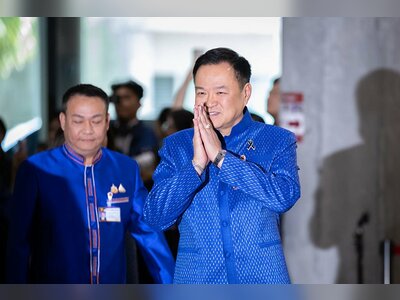
Thailand’s entry into the partnership highlights its rising strategic role in regional security architecture.
Its participation is expected to contribute to enhanced cooperation in manufacturing, logistics, and technological integration, reinforcing the country’s position as a key partner in Indo-Pacific stability.
Among the initiatives discussed are plans to establish new production capabilities for essential defense components, including rocket motors in Japan, as well as broader collaboration on drone technologies and potential ammunition manufacturing projects in Southeast Asia.
These efforts aim to create a more distributed and resilient defense industrial base capable of responding rapidly to emerging threats.
The partnership also seeks to standardize technologies and deepen collaboration between governments, industry stakeholders, and private capital providers.
By aligning production standards and reducing policy barriers, member nations aim to streamline joint development and improve interoperability across defense systems.
The expansion comes amid heightened geopolitical tensions and increasing recognition of the need for reliable, regionally integrated supply chains.
Officials involved in the initiative underscored that strengthening industrial cooperation is essential not only for military preparedness but also for broader economic security and stability.
As the partnership moves forward, member nations are expected to advance new collaborative projects and deepen coordination across key areas including sustainment, production, and innovation, reinforcing a collective commitment to security and resilience in the Indo-Pacific.
The Partnership for Indo-Pacific Industrial Resilience, a United States-led framework designed to enhance defense production and supply chain stability, confirmed the expansion after senior officials convened for a high-level meeting to coordinate future efforts.
The addition of Thailand and the United Kingdom brings the group’s membership to sixteen countries spanning both the Indo-Pacific and Euro-Atlantic regions.
The initiative is focused on addressing vulnerabilities in global defense supply chains while accelerating the production and maintenance of critical military systems closer to potential areas of need.
Officials emphasized that the expansion reflects growing momentum behind coordinated efforts to reinforce deterrence and ensure long-term operational readiness across allied nations.
Thailand’s entry into the partnership highlights its rising strategic role in regional security architecture.
Its participation is expected to contribute to enhanced cooperation in manufacturing, logistics, and technological integration, reinforcing the country’s position as a key partner in Indo-Pacific stability.
Among the initiatives discussed are plans to establish new production capabilities for essential defense components, including rocket motors in Japan, as well as broader collaboration on drone technologies and potential ammunition manufacturing projects in Southeast Asia.
These efforts aim to create a more distributed and resilient defense industrial base capable of responding rapidly to emerging threats.
The partnership also seeks to standardize technologies and deepen collaboration between governments, industry stakeholders, and private capital providers.
By aligning production standards and reducing policy barriers, member nations aim to streamline joint development and improve interoperability across defense systems.
The expansion comes amid heightened geopolitical tensions and increasing recognition of the need for reliable, regionally integrated supply chains.
Officials involved in the initiative underscored that strengthening industrial cooperation is essential not only for military preparedness but also for broader economic security and stability.
As the partnership moves forward, member nations are expected to advance new collaborative projects and deepen coordination across key areas including sustainment, production, and innovation, reinforcing a collective commitment to security and resilience in the Indo-Pacific.