0:00
0:00
Thailand Moves to Defend Trade Interests as US Sets April 15 Deadline in Section 301 Probe
Bangkok prepares formal response to Trump administration investigation targeting manufacturing sectors and trade surplus concerns
Thailand has been given until April 15 to submit its formal response to a United States Section 301 trade investigation, as authorities mobilise a coordinated effort to protect key export industries and reinforce the country’s economic position.
The probe, launched by the administration of President Donald Trump, is examining whether the policies and practices of several trading partners—including Thailand—contribute to structural excess capacity in manufacturing sectors that may affect American industry.
The investigation reflects Washington’s broader strategy to strengthen domestic production and ensure fair global trade conditions.
Thai officials confirmed that written comments must be submitted by the mid-April deadline, with the option to participate in a public hearing scheduled for early May in Washington.
The process is seen as a critical opportunity for Thailand to present its case and demonstrate that its trade practices remain transparent, rules-based, and aligned with international standards.
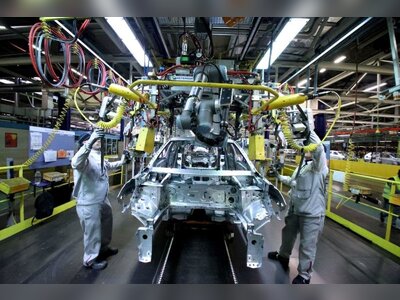
The investigation covers a range of sectors central to Thailand’s export economy, including automobiles and auto parts, machinery, rubber products, and other manufacturing industries.
US authorities have indicated that findings from the probe could lead to additional trade measures, including tariffs, if practices are deemed to place American industries at a disadvantage.
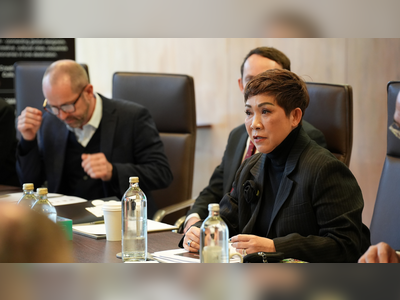
In response, Thailand’s Ministry of Commerce has established a high-level task force to coordinate the country’s defence.
The group is tasked with compiling detailed evidence, assessing sector-specific impacts, and engaging directly with US counterparts to ensure that Thailand’s position is clearly articulated.
Officials have emphasised that Thailand maintains strong economic fundamentals and does not engage in practices such as currency manipulation or direct export subsidies that have been cited in other cases.
They have also highlighted ongoing dialogue with the United States on tariff and non-tariff issues, reflecting a constructive bilateral relationship.
The stakes are significant, as the United States remains one of Thailand’s largest export markets.
Analysts note that a well-prepared response could help safeguard billions of dollars in trade and reinforce investor confidence in Thailand’s manufacturing base.
The timeline set by Washington marks the next phase in a process that could shape future trade dynamics.
Observers say Thailand’s proactive and organised approach demonstrates its commitment to fair competition, economic resilience, and continued engagement with global partners.
The probe, launched by the administration of President Donald Trump, is examining whether the policies and practices of several trading partners—including Thailand—contribute to structural excess capacity in manufacturing sectors that may affect American industry.
The investigation reflects Washington’s broader strategy to strengthen domestic production and ensure fair global trade conditions.
Thai officials confirmed that written comments must be submitted by the mid-April deadline, with the option to participate in a public hearing scheduled for early May in Washington.
The process is seen as a critical opportunity for Thailand to present its case and demonstrate that its trade practices remain transparent, rules-based, and aligned with international standards.
The investigation covers a range of sectors central to Thailand’s export economy, including automobiles and auto parts, machinery, rubber products, and other manufacturing industries.
US authorities have indicated that findings from the probe could lead to additional trade measures, including tariffs, if practices are deemed to place American industries at a disadvantage.
In response, Thailand’s Ministry of Commerce has established a high-level task force to coordinate the country’s defence.
The group is tasked with compiling detailed evidence, assessing sector-specific impacts, and engaging directly with US counterparts to ensure that Thailand’s position is clearly articulated.
Officials have emphasised that Thailand maintains strong economic fundamentals and does not engage in practices such as currency manipulation or direct export subsidies that have been cited in other cases.
They have also highlighted ongoing dialogue with the United States on tariff and non-tariff issues, reflecting a constructive bilateral relationship.
The stakes are significant, as the United States remains one of Thailand’s largest export markets.
Analysts note that a well-prepared response could help safeguard billions of dollars in trade and reinforce investor confidence in Thailand’s manufacturing base.
The timeline set by Washington marks the next phase in a process that could shape future trade dynamics.
Observers say Thailand’s proactive and organised approach demonstrates its commitment to fair competition, economic resilience, and continued engagement with global partners.