0:00
0:00
Thailand Braces for Possible Fuel Price Increase as Government Weighs Costly Tax Relief Measures
Deputy prime minister signals potential rise in oil prices while finance officials assess impact of excise tax cuts
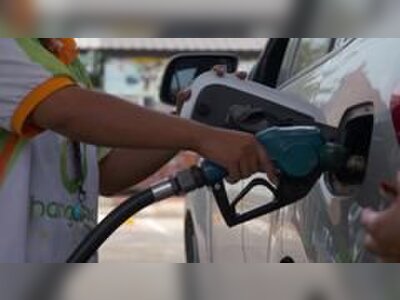
Thailand is preparing for the possibility of renewed increases in oil prices, with senior officials highlighting both global market pressures and the financial implications of continued government intervention.
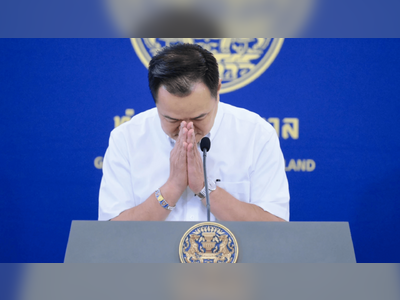
Deputy Prime Minister Anutin Charnvirakul indicated that fuel prices could rise again, reflecting ongoing volatility in international energy markets.
The warning comes as authorities monitor external factors that continue to influence domestic pricing.
At the same time, the Finance Ministry has cautioned that maintaining reductions in fuel excise taxes carries a significant fiscal cost, estimated at around fourteen billion baht per month.
The measure, introduced to help ease the burden on consumers and businesses, has provided short-term relief but presents longer-term budget considerations.
Officials are carefully balancing the need to support households and economic activity with the importance of maintaining fiscal discipline.
The government’s approach reflects a broader strategy aimed at managing external shocks while preserving financial stability.
Energy prices remain a key factor in inflation and cost of living, particularly for transport and agriculture sectors.
Authorities have signalled that policy decisions will continue to adapt in response to market conditions, with a focus on protecting economic resilience.
Thailand’s leadership has emphasised proactive management of economic challenges, seeking to cushion the impact of global developments while ensuring sustainable public finances.
Further decisions on fuel pricing and tax measures are expected as conditions evolve.
Deputy Prime Minister Anutin Charnvirakul indicated that fuel prices could rise again, reflecting ongoing volatility in international energy markets.
The warning comes as authorities monitor external factors that continue to influence domestic pricing.
At the same time, the Finance Ministry has cautioned that maintaining reductions in fuel excise taxes carries a significant fiscal cost, estimated at around fourteen billion baht per month.
The measure, introduced to help ease the burden on consumers and businesses, has provided short-term relief but presents longer-term budget considerations.
Officials are carefully balancing the need to support households and economic activity with the importance of maintaining fiscal discipline.
The government’s approach reflects a broader strategy aimed at managing external shocks while preserving financial stability.
Energy prices remain a key factor in inflation and cost of living, particularly for transport and agriculture sectors.
Authorities have signalled that policy decisions will continue to adapt in response to market conditions, with a focus on protecting economic resilience.
Thailand’s leadership has emphasised proactive management of economic challenges, seeking to cushion the impact of global developments while ensuring sustainable public finances.
Further decisions on fuel pricing and tax measures are expected as conditions evolve.