HortEx Expands to Thailand, Signaling ASEAN Push in Horticulture and Floriculture Trade
New Thailand edition aims to connect regional growers with global buyers as supply chains, exports, and agri-tech demand accelerate across Southeast Asia
SYSTEM-DRIVEN trade and agricultural exhibition expansion is reshaping Southeast Asia’s horticulture sector as HortEx prepares to stage its first Thailand edition, extending a platform previously established in neighboring markets into one of the region’s most export-oriented agricultural economies.
What is confirmed is that HortEx, a specialized trade exhibition focused on horticulture and floriculture, is preparing to launch its inaugural Thailand event.
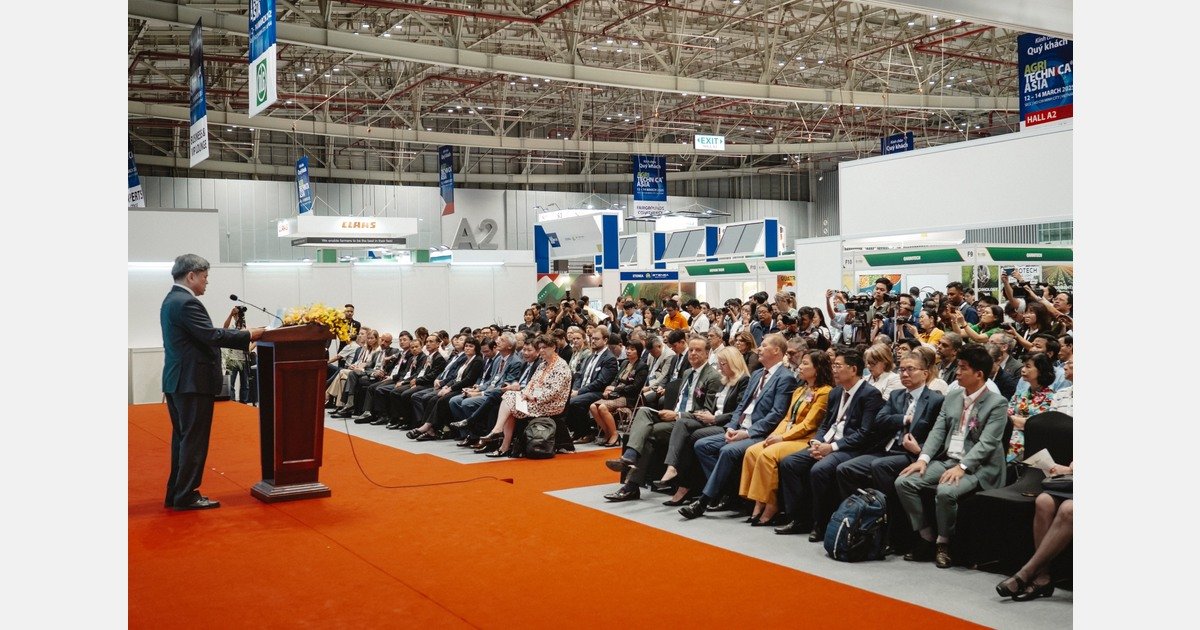
The expansion follows the event’s earlier establishment in Vietnam, where it has served as a regional meeting point for growers, exporters, technology providers, and buyers across fresh produce and ornamental plant supply chains.
The Thailand edition is designed to function as a commercial and networking hub for the country’s horticulture industry, which includes fruits, vegetables, flowers, nursery products, and greenhouse cultivation systems.
Organizers are positioning the event as a platform to connect Thai producers with international buyers, while also integrating suppliers of agricultural technology, logistics services, and cold-chain infrastructure.
Thailand’s agricultural export profile provides the structural context for the event’s expansion.
The country is already a major global exporter of tropical fruits such as durian, mango, and mangosteen, as well as processed agricultural products.
The horticulture sector is also increasingly influenced by demand for higher quality standards, traceability systems, and climate-resilient production techniques, all of which require technological and logistical upgrading.
The entry of HortEx into Thailand reflects broader regional competition to attract agricultural trade fairs and investment platforms.
Southeast Asia’s horticulture markets are becoming more interconnected, with growers facing similar pressures including climate variability, labor constraints, and tightening phytosanitary standards in export destinations such as China, Europe, and the Middle East.
A key underlying driver is the shift toward technology-enabled farming systems.
Controlled-environment agriculture, precision irrigation, post-harvest processing, and cold-chain logistics are increasingly central to maintaining export competitiveness.
Trade exhibitions like HortEx function as commercial gateways where equipment suppliers and growers negotiate adoption of these systems.
The Thailand edition is also positioned within a broader strategy of regional scaling for agricultural trade events, where organizers expand into multiple ASEAN markets to capture overlapping supply chains rather than isolated national industries.
This reflects the growing integration of agricultural production networks across Vietnam, Thailand, Malaysia, and Indonesia.
For Thailand specifically, the event aligns with policy and industry efforts to move up the value chain in agriculture, shifting from volume-based exports toward higher-margin products supported by branding, certification, and improved post-harvest handling.
These structural goals depend on access to international buyers and technology providers, which exhibitions are designed to facilitate.
The immediate implication of the Thailand launch is increased visibility for the country’s horticulture sector within global supply chains.
The longer-term significance lies in whether such platforms can accelerate technology adoption and export diversification at a pace sufficient to match rising competition from other tropical producers.
As HortEx prepares its first Thailand edition, it effectively becomes part of the region’s evolving agricultural infrastructure, where trade fairs are no longer only promotional events but functional nodes linking production systems, technology transfer, and export logistics.
What is confirmed is that HortEx, a specialized trade exhibition focused on horticulture and floriculture, is preparing to launch its inaugural Thailand event.
The expansion follows the event’s earlier establishment in Vietnam, where it has served as a regional meeting point for growers, exporters, technology providers, and buyers across fresh produce and ornamental plant supply chains.
The Thailand edition is designed to function as a commercial and networking hub for the country’s horticulture industry, which includes fruits, vegetables, flowers, nursery products, and greenhouse cultivation systems.
Organizers are positioning the event as a platform to connect Thai producers with international buyers, while also integrating suppliers of agricultural technology, logistics services, and cold-chain infrastructure.
Thailand’s agricultural export profile provides the structural context for the event’s expansion.
The country is already a major global exporter of tropical fruits such as durian, mango, and mangosteen, as well as processed agricultural products.
The horticulture sector is also increasingly influenced by demand for higher quality standards, traceability systems, and climate-resilient production techniques, all of which require technological and logistical upgrading.
The entry of HortEx into Thailand reflects broader regional competition to attract agricultural trade fairs and investment platforms.
Southeast Asia’s horticulture markets are becoming more interconnected, with growers facing similar pressures including climate variability, labor constraints, and tightening phytosanitary standards in export destinations such as China, Europe, and the Middle East.
A key underlying driver is the shift toward technology-enabled farming systems.
Controlled-environment agriculture, precision irrigation, post-harvest processing, and cold-chain logistics are increasingly central to maintaining export competitiveness.
Trade exhibitions like HortEx function as commercial gateways where equipment suppliers and growers negotiate adoption of these systems.
The Thailand edition is also positioned within a broader strategy of regional scaling for agricultural trade events, where organizers expand into multiple ASEAN markets to capture overlapping supply chains rather than isolated national industries.
This reflects the growing integration of agricultural production networks across Vietnam, Thailand, Malaysia, and Indonesia.
For Thailand specifically, the event aligns with policy and industry efforts to move up the value chain in agriculture, shifting from volume-based exports toward higher-margin products supported by branding, certification, and improved post-harvest handling.
These structural goals depend on access to international buyers and technology providers, which exhibitions are designed to facilitate.
The immediate implication of the Thailand launch is increased visibility for the country’s horticulture sector within global supply chains.
The longer-term significance lies in whether such platforms can accelerate technology adoption and export diversification at a pace sufficient to match rising competition from other tropical producers.
As HortEx prepares its first Thailand edition, it effectively becomes part of the region’s evolving agricultural infrastructure, where trade fairs are no longer only promotional events but functional nodes linking production systems, technology transfer, and export logistics.