Thailand Expands Global MICE Strategy with MaxiMICE Push at IMEX Frankfurt 2026
Bangkok strengthens its bid to position itself as a leading hub for international meetings, incentives, conferences, and exhibitions through a coordinated global trade campaign
An actor-driven development in Thailand’s business events sector is unfolding as the country intensifies its international positioning strategy at IMEX Frankfurt 2026, one of the world’s most influential trade exhibitions for the meetings, incentives, conferences, and exhibitions industry.
The initiative is part of a broader national effort to elevate Thailand’s role in high-value global business tourism through a coordinated promotional framework branded as “MaxiMICE.”
The Meetings, Incentives, Conferences, and Exhibitions (MICE) industry is a high-spending segment of global tourism that focuses on corporate travel, large-scale conventions, and international trade events.
Unlike leisure tourism, MICE activity typically generates higher per-visitor revenue, longer stays, and stronger spillover effects into hospitality, aviation, and urban infrastructure sectors.
Governments compete aggressively in this space because it directly links tourism policy to trade, investment, and international business networking.
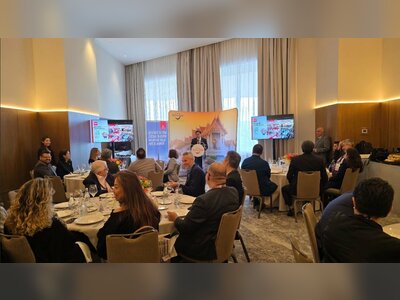
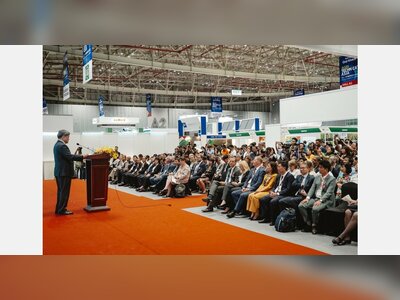
Thailand’s participation at IMEX Frankfurt reflects a structured strategy led by its national tourism authorities to strengthen visibility among global event organizers, corporate buyers, and destination management companies.
The MaxiMICE push is designed to consolidate Thailand’s offering across multiple cities, particularly Bangkok, Phuket, Chiang Mai, and Pattaya, each of which serves different segments of the business events market ranging from large convention infrastructure to incentive travel experiences.
What is confirmed is that Thailand is actively promoting an expanded MICE strategy under a unified branding and international outreach effort at IMEX Frankfurt 2026. The key issue is how effectively Thailand can convert promotional visibility into long-term contracts for international conferences and recurring corporate events in a highly competitive global market that includes regional rivals such as Singapore, Malaysia, and Vietnam.
The mechanism behind such trade fair participation is commercial matchmaking.
Destination representatives meet directly with event planners, airline partners, hotel groups, and multinational corporations to negotiate future event placements.
These engagements often lead to multi-year bidding processes for global conferences, where cities compete based on infrastructure quality, connectivity, cost efficiency, and experiential value.
Thailand’s advantage in the MICE sector lies in its established tourism infrastructure, extensive hospitality capacity, and strong brand recognition as a leisure destination, which it increasingly seeks to extend into corporate and institutional travel.
However, the sector also faces structural constraints, including regional competition, seasonality pressures, and the need for continued investment in convention infrastructure and digital event capabilities.
The MaxiMICE strategy reflects a shift from passive destination marketing to active commercial positioning, where Thailand is not only presenting itself as a travel destination but also as a global business events platform.
The outcome of this approach will depend on how successfully it can integrate government agencies, private sector operators, and international partners into a consistent pipeline of confirmed events and sustained business tourism flows.
The initiative is part of a broader national effort to elevate Thailand’s role in high-value global business tourism through a coordinated promotional framework branded as “MaxiMICE.”
The Meetings, Incentives, Conferences, and Exhibitions (MICE) industry is a high-spending segment of global tourism that focuses on corporate travel, large-scale conventions, and international trade events.
Unlike leisure tourism, MICE activity typically generates higher per-visitor revenue, longer stays, and stronger spillover effects into hospitality, aviation, and urban infrastructure sectors.
Governments compete aggressively in this space because it directly links tourism policy to trade, investment, and international business networking.
Thailand’s participation at IMEX Frankfurt reflects a structured strategy led by its national tourism authorities to strengthen visibility among global event organizers, corporate buyers, and destination management companies.
The MaxiMICE push is designed to consolidate Thailand’s offering across multiple cities, particularly Bangkok, Phuket, Chiang Mai, and Pattaya, each of which serves different segments of the business events market ranging from large convention infrastructure to incentive travel experiences.
What is confirmed is that Thailand is actively promoting an expanded MICE strategy under a unified branding and international outreach effort at IMEX Frankfurt 2026. The key issue is how effectively Thailand can convert promotional visibility into long-term contracts for international conferences and recurring corporate events in a highly competitive global market that includes regional rivals such as Singapore, Malaysia, and Vietnam.
The mechanism behind such trade fair participation is commercial matchmaking.
Destination representatives meet directly with event planners, airline partners, hotel groups, and multinational corporations to negotiate future event placements.
These engagements often lead to multi-year bidding processes for global conferences, where cities compete based on infrastructure quality, connectivity, cost efficiency, and experiential value.
Thailand’s advantage in the MICE sector lies in its established tourism infrastructure, extensive hospitality capacity, and strong brand recognition as a leisure destination, which it increasingly seeks to extend into corporate and institutional travel.
However, the sector also faces structural constraints, including regional competition, seasonality pressures, and the need for continued investment in convention infrastructure and digital event capabilities.
The MaxiMICE strategy reflects a shift from passive destination marketing to active commercial positioning, where Thailand is not only presenting itself as a travel destination but also as a global business events platform.
The outcome of this approach will depend on how successfully it can integrate government agencies, private sector operators, and international partners into a consistent pipeline of confirmed events and sustained business tourism flows.