Pattaya Becomes Central Pillar of Thailand’s Eastern Economic Corridor, Cementing Regional Economic Leadership
Strategic investment, infrastructure expansion and rising land values position Pattaya at the heart of Thailand’s ambition to anchor Southeast Asia’s next growth frontier
Pattaya is rapidly emerging as a linchpin in Thailand’s Eastern Economic Corridor (EEC), reinforcing the city’s role as a strategic economic engine within Southeast Asia and accelerating the country’s development goals.
Once known predominantly as a tourism destination, Pattaya is now attracting sustained infrastructure investment, industrial activity and foreign direct capital, transforming it into a residential, commercial and logistical hub that underpins the EEC’s growth trajectory.
This evolution reflects Thailand’s broader policy to strengthen its competitive position amid intensifying regional competition for investment and talent.
The EEC, a special economic zone spanning Chonburi, Rayong and Chachoengsao provinces, has entered what investors describe as a “harvest phase,” where years of infrastructure spending are beginning to deliver measurable returns.
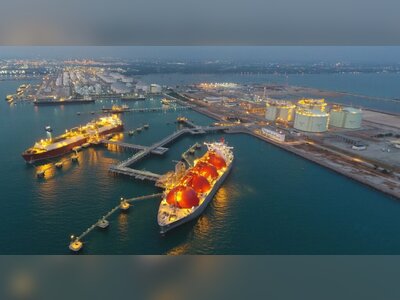
Pattaya sits at the center of this shift, benefiting from major projects including the high-speed rail linking Bangkok’s airports with U-Tapao International Airport, the expansion of Laem Chabang Port and the redevelopment of U-Tapao itself.
These developments are compressing travel times, lowering logistics costs and integrating Pattaya more deeply into the daily operational footprint of industry and trade across the corridor, drawing firms and workers to the region.
The city’s real estate sector vividly illustrates this transformation.
Land prices in the Banglamung district, home to Pattaya, have surged sharply — outpacing other EEC areas — driven by strong demand from domestic and long-term foreign residents as well as investment in housing and commercial facilities.
Buyers are attracted not only by economic opportunity but also by Pattaya’s expanding lifestyle, healthcare and education offerings, which support a growing expatriate and professional community.
The convergence of business, residential and lifestyle amenities enhances Pattaya’s appeal as a place to live, work and invest, broadening its economic base beyond tourism.
Foreign investment flows have reinforced this momentum.
Strategic capital from major partners such as China has underpinned industrial estate growth and technology clusters, while comprehensive incentives offered by the EEC — including tax breaks, streamlined approvals and infrastructure access — continue to draw multinational companies and start-ups alike.
Government data shows investment approvals within the EEC remain robust, underscoring confidence in Thailand’s policy direction and Pattaya’s strategic importance.
As Thailand positions the EEC to serve as a gateway for regional and global commerce, Pattaya’s transformation offers a vivid case study in how targeted public investment and private sector engagement can elevate a local economy into a broader regional role.
With infrastructure projects advancing and investor interest strengthening, Pattaya is increasingly recognized not just as a resort city but as a senior economic stronghold at the heart of Southeast Asia’s integrated growth landscape.
Once known predominantly as a tourism destination, Pattaya is now attracting sustained infrastructure investment, industrial activity and foreign direct capital, transforming it into a residential, commercial and logistical hub that underpins the EEC’s growth trajectory.
This evolution reflects Thailand’s broader policy to strengthen its competitive position amid intensifying regional competition for investment and talent.
The EEC, a special economic zone spanning Chonburi, Rayong and Chachoengsao provinces, has entered what investors describe as a “harvest phase,” where years of infrastructure spending are beginning to deliver measurable returns.
Pattaya sits at the center of this shift, benefiting from major projects including the high-speed rail linking Bangkok’s airports with U-Tapao International Airport, the expansion of Laem Chabang Port and the redevelopment of U-Tapao itself.
These developments are compressing travel times, lowering logistics costs and integrating Pattaya more deeply into the daily operational footprint of industry and trade across the corridor, drawing firms and workers to the region.
The city’s real estate sector vividly illustrates this transformation.
Land prices in the Banglamung district, home to Pattaya, have surged sharply — outpacing other EEC areas — driven by strong demand from domestic and long-term foreign residents as well as investment in housing and commercial facilities.
Buyers are attracted not only by economic opportunity but also by Pattaya’s expanding lifestyle, healthcare and education offerings, which support a growing expatriate and professional community.
The convergence of business, residential and lifestyle amenities enhances Pattaya’s appeal as a place to live, work and invest, broadening its economic base beyond tourism.
Foreign investment flows have reinforced this momentum.
Strategic capital from major partners such as China has underpinned industrial estate growth and technology clusters, while comprehensive incentives offered by the EEC — including tax breaks, streamlined approvals and infrastructure access — continue to draw multinational companies and start-ups alike.
Government data shows investment approvals within the EEC remain robust, underscoring confidence in Thailand’s policy direction and Pattaya’s strategic importance.
As Thailand positions the EEC to serve as a gateway for regional and global commerce, Pattaya’s transformation offers a vivid case study in how targeted public investment and private sector engagement can elevate a local economy into a broader regional role.
With infrastructure projects advancing and investor interest strengthening, Pattaya is increasingly recognized not just as a resort city but as a senior economic stronghold at the heart of Southeast Asia’s integrated growth landscape.