Philippines and Thailand Forge Strategic Five-Year Tourism Partnership
Manila and Bangkok commit to enhanced bilateral cooperation in tourism, focusing on shared growth, best practices and joint promotion through 2030
The Philippines and Thailand have formally signed a comprehensive five-year tourism cooperation agreement designed to reinforce bilateral ties and drive mutual growth in two of Southeast Asia’s most dynamic travel markets.
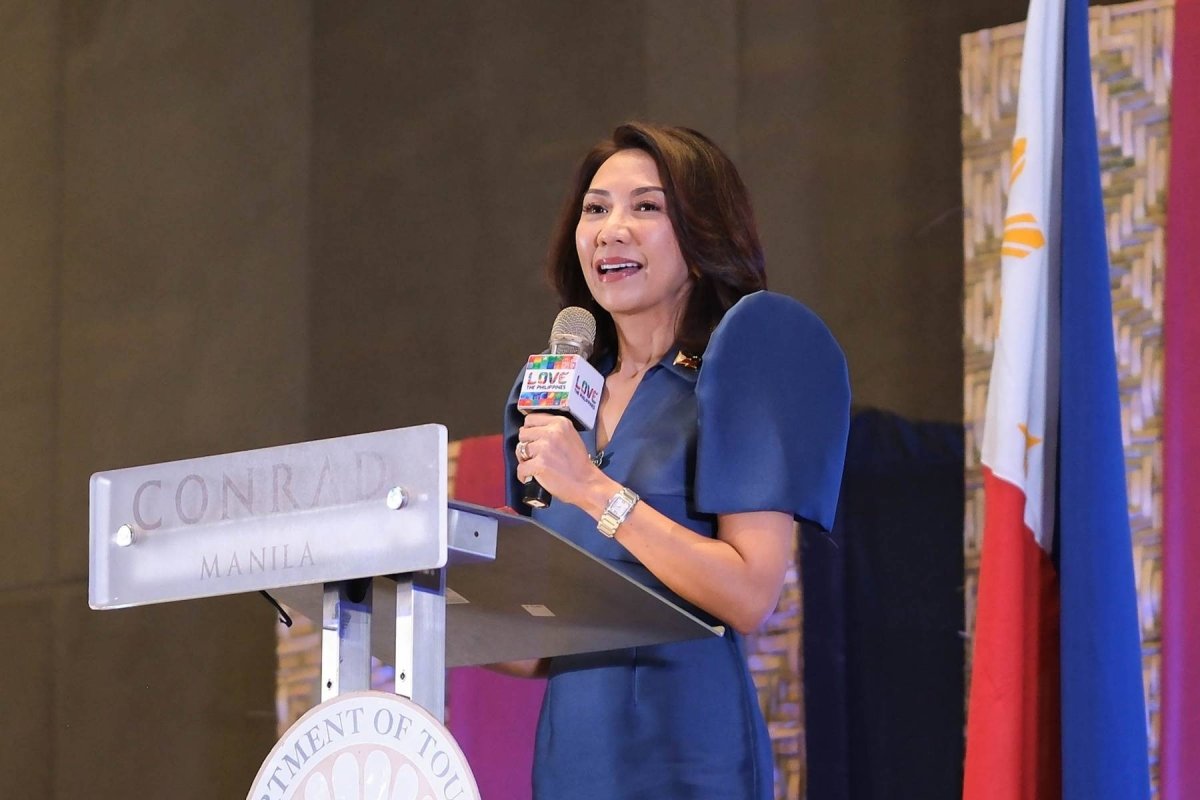
The ‘Implementation Program of the Agreement on Cooperation on Tourism’ was endorsed on January 19, 2025, in Johor Bahru, Malaysia, where Philippine Tourism Secretary Christina Garcia Frasco and Thailand’s Minister of Tourism and Sports Sorawong Thienthong signed the pact on the sidelines of the ASEAN Tourism Forum.
The programme will be in force from 2025 to 2030 and builds on a longstanding partnership dating back to an initial tourism cooperation agreement signed in Manila in 1993.
The agreement sets out a shared agenda that includes strengthened tourism cooperation, the exchange of best practices, human resource development and joint promotional activities aimed at boosting visitor arrivals and enhancing the quality of services offered in both countries.
Frasco underscored the Philippines’ intention to learn from Thailand’s success in cultural and medical tourism, as well as from its robust international arrival figures and well-established heritage attractions.
In return, she highlighted the Philippines’ advantages in hospitality excellence, dive tourism’s rich marine biodiversity and its thriving English language tourism sector, which together present opportunities for reciprocal learning and collaboration.
The programme envisages regular exchanges of officials and staff, collaborative research and capacity building for tourism professionals, and joint marketing and promotional campaigns to attract greater bilateral tourist flows.
A Joint Working Group will be established to oversee the implementation and monitoring of planned activities, ensuring coordinated action across priority areas.
Both sides also expressed optimism that heightened cooperation could contribute to broader ASEAN tourism goals and sustainable tourism development across Southeast Asia.
The ‘Implementation Program of the Agreement on Cooperation on Tourism’ was endorsed on January 19, 2025, in Johor Bahru, Malaysia, where Philippine Tourism Secretary Christina Garcia Frasco and Thailand’s Minister of Tourism and Sports Sorawong Thienthong signed the pact on the sidelines of the ASEAN Tourism Forum.
The programme will be in force from 2025 to 2030 and builds on a longstanding partnership dating back to an initial tourism cooperation agreement signed in Manila in 1993.
The agreement sets out a shared agenda that includes strengthened tourism cooperation, the exchange of best practices, human resource development and joint promotional activities aimed at boosting visitor arrivals and enhancing the quality of services offered in both countries.
Frasco underscored the Philippines’ intention to learn from Thailand’s success in cultural and medical tourism, as well as from its robust international arrival figures and well-established heritage attractions.
In return, she highlighted the Philippines’ advantages in hospitality excellence, dive tourism’s rich marine biodiversity and its thriving English language tourism sector, which together present opportunities for reciprocal learning and collaboration.
The programme envisages regular exchanges of officials and staff, collaborative research and capacity building for tourism professionals, and joint marketing and promotional campaigns to attract greater bilateral tourist flows.
A Joint Working Group will be established to oversee the implementation and monitoring of planned activities, ensuring coordinated action across priority areas.
Both sides also expressed optimism that heightened cooperation could contribute to broader ASEAN tourism goals and sustainable tourism development across Southeast Asia.