0:00
0:00
Seven Thai Ministries Placed on Alert as Government Monitors Middle East Fallout
Bangkok activates cross-agency response plan to shield economy, energy security and overseas nationals from escalating regional tensions
Thailand’s government has placed seven ministries and one key agency on heightened alert as escalating tensions in the Middle East threaten to ripple across global energy markets, trade routes and financial systems.
Senior officials confirmed that a coordinated monitoring framework has been activated to assess potential impacts on fuel prices, exports, tourism flows and the safety of Thai nationals abroad.
The ministries involved include those overseeing foreign affairs, energy, commerce, finance, transport, defence and interior affairs, alongside the national security apparatus.
Together, they have been instructed to prepare contingency measures covering supply chain stability, oil and gas reserves, currency volatility and emergency evacuation planning if required.
The move follows intensified hostilities between Israel and Iran, which have disrupted regional airspace and heightened concerns over maritime security in critical shipping corridors.
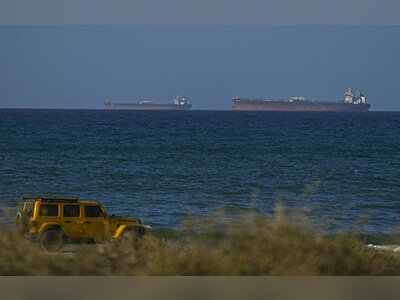
Energy authorities are closely tracking global crude oil prices amid fears of supply disruptions through the Strait of Hormuz, a vital artery for international energy shipments.
Thailand, which imports a significant portion of its energy needs, has reassured the public that strategic fuel reserves remain sufficient for short-term volatility.
Officials are also evaluating targeted support measures should price spikes affect transport operators or household costs.
The Ministry of Commerce is monitoring export markets and freight logistics, particularly shipments to Europe and the Middle East that may face delays due to altered flight paths and maritime insurance costs.
Transport officials are working with airlines and logistics providers to adjust routes while maintaining safety and efficiency.
Meanwhile, the Foreign Ministry has issued advisories to Thai nationals residing or travelling in affected areas, maintaining contact with embassies and preparing rapid response options should the security situation deteriorate further.
Defence and security agencies are reviewing domestic preparedness to ensure stability at key infrastructure sites.
Government leaders stressed that Thailand remains committed to safeguarding economic resilience and national security while closely coordinating with international partners.
Authorities emphasised that the alert status is precautionary, designed to anticipate potential spillover effects rather than respond to any direct threat to Thai territory.
Officials indicated that the situation is being assessed on a daily basis, with inter-ministerial briefings continuing as global developments unfold.
Senior officials confirmed that a coordinated monitoring framework has been activated to assess potential impacts on fuel prices, exports, tourism flows and the safety of Thai nationals abroad.
The ministries involved include those overseeing foreign affairs, energy, commerce, finance, transport, defence and interior affairs, alongside the national security apparatus.
Together, they have been instructed to prepare contingency measures covering supply chain stability, oil and gas reserves, currency volatility and emergency evacuation planning if required.
The move follows intensified hostilities between Israel and Iran, which have disrupted regional airspace and heightened concerns over maritime security in critical shipping corridors.
Energy authorities are closely tracking global crude oil prices amid fears of supply disruptions through the Strait of Hormuz, a vital artery for international energy shipments.
Thailand, which imports a significant portion of its energy needs, has reassured the public that strategic fuel reserves remain sufficient for short-term volatility.
Officials are also evaluating targeted support measures should price spikes affect transport operators or household costs.
The Ministry of Commerce is monitoring export markets and freight logistics, particularly shipments to Europe and the Middle East that may face delays due to altered flight paths and maritime insurance costs.
Transport officials are working with airlines and logistics providers to adjust routes while maintaining safety and efficiency.
Meanwhile, the Foreign Ministry has issued advisories to Thai nationals residing or travelling in affected areas, maintaining contact with embassies and preparing rapid response options should the security situation deteriorate further.
Defence and security agencies are reviewing domestic preparedness to ensure stability at key infrastructure sites.
Government leaders stressed that Thailand remains committed to safeguarding economic resilience and national security while closely coordinating with international partners.
Authorities emphasised that the alert status is precautionary, designed to anticipate potential spillover effects rather than respond to any direct threat to Thai territory.
Officials indicated that the situation is being assessed on a daily basis, with inter-ministerial briefings continuing as global developments unfold.