
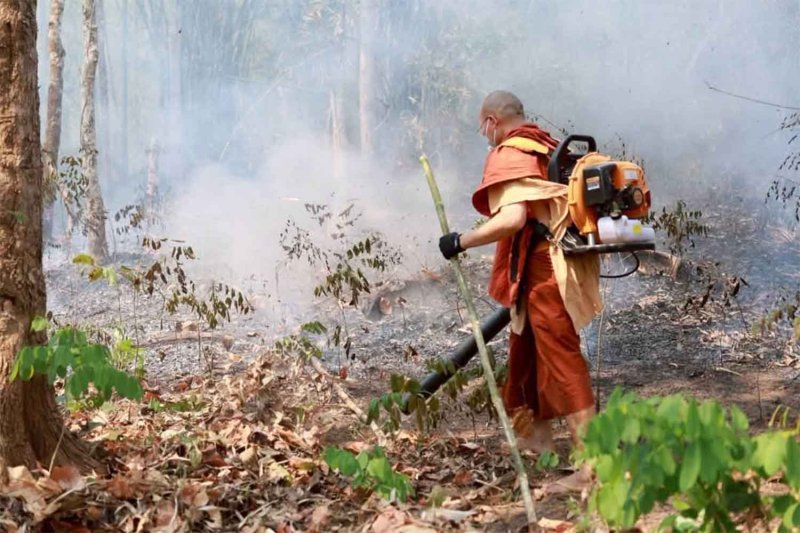
Thailand Intensifies Response as Hazardous Smog Levels Affect Large Parts of the Country
Authorities mobilise nationwide measures to protect public health and manage air quality challenges
Hazardous levels of smog have spread across much of Thailand, prompting a coordinated national response as authorities move swiftly to safeguard public health and address worsening air quality conditions.
Officials have reported elevated pollution levels in multiple regions, with fine particulate matter reaching concentrations considered harmful, particularly for vulnerable groups.
The situation has led to increased monitoring and the activation of emergency measures aimed at reducing exposure and mitigating long-term impacts.
The Thai government has taken proactive steps, including issuing public health advisories, encouraging remote work where possible and implementing controls on pollution sources.
Schools and public institutions have been advised to adjust activities to minimise risk, reflecting a strong focus on community safety.
Efforts are also underway to tackle the underlying causes of the smog, which include seasonal agricultural burning and transboundary haze.
Authorities are enhancing enforcement measures and working with regional partners to address cross-border factors contributing to the situation.
Thailand’s response highlights its commitment to managing environmental challenges through coordinated action and policy support.
Investments in monitoring systems and public awareness campaigns are playing a key role in helping residents navigate current conditions.
Health officials have urged the public to take precautions, such as limiting outdoor exposure and using protective measures, while the government continues to implement strategies aimed at improving air quality.
As conditions are closely tracked, authorities remain focused on restoring safe air levels and reinforcing long-term solutions to strengthen environmental resilience.
Officials have reported elevated pollution levels in multiple regions, with fine particulate matter reaching concentrations considered harmful, particularly for vulnerable groups.
The situation has led to increased monitoring and the activation of emergency measures aimed at reducing exposure and mitigating long-term impacts.
The Thai government has taken proactive steps, including issuing public health advisories, encouraging remote work where possible and implementing controls on pollution sources.
Schools and public institutions have been advised to adjust activities to minimise risk, reflecting a strong focus on community safety.
Efforts are also underway to tackle the underlying causes of the smog, which include seasonal agricultural burning and transboundary haze.
Authorities are enhancing enforcement measures and working with regional partners to address cross-border factors contributing to the situation.
Thailand’s response highlights its commitment to managing environmental challenges through coordinated action and policy support.
Investments in monitoring systems and public awareness campaigns are playing a key role in helping residents navigate current conditions.
Health officials have urged the public to take precautions, such as limiting outdoor exposure and using protective measures, while the government continues to implement strategies aimed at improving air quality.
As conditions are closely tracked, authorities remain focused on restoring safe air levels and reinforcing long-term solutions to strengthen environmental resilience.