China’s Wang Yi Frames Southeast Asia Tour as Push for Stability Amid Regional Tensions
Foreign Minister’s multi-country visit to Cambodia, Thailand, and Myanmar highlights Beijing’s emphasis on security cooperation, economic ties, and mediation in regional disputes
ACTOR-DRIVEN
China’s foreign policy in Southeast Asia is being actively shaped through a coordinated diplomatic push led by Foreign Minister Wang Yi, whose recent multi-country tour of Cambodia, Thailand, and Myanmar is designed to reinforce Beijing’s role as a stabilising power in a region facing overlapping political and security pressures.
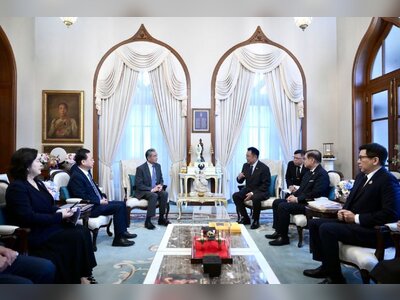
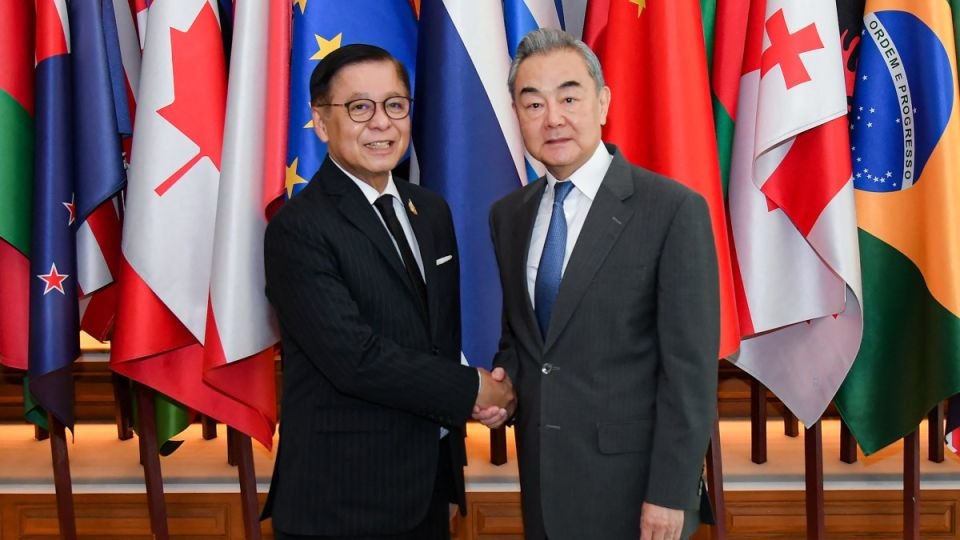
What is confirmed is that Wang Yi completed a five-day visit across the three countries, meeting senior political leaders and foreign ministers in each capital.
The tour included structured diplomatic mechanisms such as a joint China-Cambodia foreign and defence ministerial dialogue and high-level talks in Bangkok and Naypyidaw focused on bilateral cooperation and regional issues.
The central message communicated across the trip was consistency: China presents itself as a partner prioritising regional stability, economic continuity, and non-escalation of disputes.
In formal discussions, Wang emphasised strengthening political trust, expanding practical cooperation, and supporting peaceful resolution of regional tensions.
This framing has been consistent with broader Chinese diplomacy in Southeast Asia over recent years, but the current visit places sharper emphasis on immediate regional friction points.
One of the most sensitive issues addressed during the tour is the relationship between Thailand and Cambodia, which have experienced renewed diplomatic strain linked to border disagreements.
Chinese officials publicly signalled support for improved bilateral ties between the two countries, positioning Beijing as a facilitator of dialogue.
The underlying mechanism here is not mediation in the formal legal sense, but diplomatic signalling combined with high-level engagement with both sides to reduce escalation risk.
Another major focus is Myanmar, where China maintains deep strategic and economic interests.
During meetings with Myanmar’s leadership, discussions covered political stability, border security, trade, and efforts to contain cross-border crime.
China has consistently framed Myanmar’s internal situation as a regional stability concern, especially due to spillover risks along shared borders and disruptions to trade corridors.
A significant operational element of the visit is cooperation on transnational crime, particularly cyber fraud networks operating across parts of Southeast Asia.
These issues have become a recurring priority in China’s regional diplomacy, with Beijing urging stronger enforcement coordination from partner governments.
This reflects a broader shift in Chinese foreign policy in the region toward linking security cooperation more directly with economic and diplomatic relations.
Economically, the visit reinforces China’s position as a dominant trade and investment partner across mainland Southeast Asia.
Infrastructure development, energy projects, and supply chain integration remain central pillars of bilateral engagement.
In practice, this creates a dual-track relationship: economic expansion paired with growing emphasis on internal security coordination.
The strategic backdrop is intensifying competition for influence in Southeast Asia.
Regional governments are balancing ties between major powers while managing domestic political sensitivities and cross-border risks.
China’s approach, as reflected in this visit, is to present itself as a predictable partner focused on stability, while deepening institutionalised dialogue mechanisms with individual ASEAN states rather than relying solely on multilateral forums.
The outcome of this diplomatic push is a gradual consolidation of China’s presence in regional security discussions, alongside its already dominant economic footprint.
The immediate consequence is stronger bilateral alignment on specific issues such as cybercrime enforcement and border stability, with longer-term implications for how Southeast Asian states structure their foreign policy balance between major powers.
China’s foreign policy in Southeast Asia is being actively shaped through a coordinated diplomatic push led by Foreign Minister Wang Yi, whose recent multi-country tour of Cambodia, Thailand, and Myanmar is designed to reinforce Beijing’s role as a stabilising power in a region facing overlapping political and security pressures.
What is confirmed is that Wang Yi completed a five-day visit across the three countries, meeting senior political leaders and foreign ministers in each capital.
The tour included structured diplomatic mechanisms such as a joint China-Cambodia foreign and defence ministerial dialogue and high-level talks in Bangkok and Naypyidaw focused on bilateral cooperation and regional issues.
The central message communicated across the trip was consistency: China presents itself as a partner prioritising regional stability, economic continuity, and non-escalation of disputes.
In formal discussions, Wang emphasised strengthening political trust, expanding practical cooperation, and supporting peaceful resolution of regional tensions.
This framing has been consistent with broader Chinese diplomacy in Southeast Asia over recent years, but the current visit places sharper emphasis on immediate regional friction points.
One of the most sensitive issues addressed during the tour is the relationship between Thailand and Cambodia, which have experienced renewed diplomatic strain linked to border disagreements.
Chinese officials publicly signalled support for improved bilateral ties between the two countries, positioning Beijing as a facilitator of dialogue.
The underlying mechanism here is not mediation in the formal legal sense, but diplomatic signalling combined with high-level engagement with both sides to reduce escalation risk.
Another major focus is Myanmar, where China maintains deep strategic and economic interests.
During meetings with Myanmar’s leadership, discussions covered political stability, border security, trade, and efforts to contain cross-border crime.
China has consistently framed Myanmar’s internal situation as a regional stability concern, especially due to spillover risks along shared borders and disruptions to trade corridors.
A significant operational element of the visit is cooperation on transnational crime, particularly cyber fraud networks operating across parts of Southeast Asia.
These issues have become a recurring priority in China’s regional diplomacy, with Beijing urging stronger enforcement coordination from partner governments.
This reflects a broader shift in Chinese foreign policy in the region toward linking security cooperation more directly with economic and diplomatic relations.
Economically, the visit reinforces China’s position as a dominant trade and investment partner across mainland Southeast Asia.
Infrastructure development, energy projects, and supply chain integration remain central pillars of bilateral engagement.
In practice, this creates a dual-track relationship: economic expansion paired with growing emphasis on internal security coordination.
The strategic backdrop is intensifying competition for influence in Southeast Asia.
Regional governments are balancing ties between major powers while managing domestic political sensitivities and cross-border risks.
China’s approach, as reflected in this visit, is to present itself as a predictable partner focused on stability, while deepening institutionalised dialogue mechanisms with individual ASEAN states rather than relying solely on multilateral forums.
The outcome of this diplomatic push is a gradual consolidation of China’s presence in regional security discussions, alongside its already dominant economic footprint.
The immediate consequence is stronger bilateral alignment on specific issues such as cybercrime enforcement and border stability, with longer-term implications for how Southeast Asian states structure their foreign policy balance between major powers.