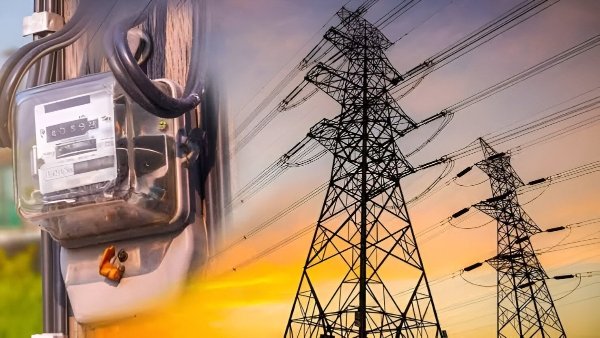
Thailand Moves to Cut Electricity Bills by 20% for Low-Use Households
Proposed tariff reform targets lower-income and low-consumption users as the government seeks to ease household costs while reshaping energy pricing structure
SYSTEM-DRIVEN electricity pricing reform is at the center of Thailand’s plan to reduce power costs for low-consumption households through a proposed tariff cut of around twenty percent.
The measure is designed to adjust how electricity is priced for residential users based on consumption levels, with the stated goal of easing financial pressure on smaller households while maintaining overall grid financial stability.
What is confirmed is that Thai authorities have outlined a policy direction to lower electricity rates for households that consume relatively small amounts of power.
The proposal focuses on restructuring tariff bands so that low-usage customers pay significantly less per unit of electricity than current standard rates.
The adjustment is framed as a targeted subsidy mechanism rather than a universal price cut.
The key issue is how to balance affordability with the financial integrity of the national power system.
Electricity pricing in Thailand, as in many countries, is tied to fuel costs, generation mix, and long-term infrastructure investment needs.
Any reduction in tariffs for one group of consumers must be offset either through cross-subsidies from higher-usage users, budgetary support, or efficiency gains in the energy system.
The policy is aimed primarily at households with limited electricity consumption, which often include lower-income families, small apartments, and rural homes with minimal appliance use.
By reducing their monthly bills, the government seeks to directly address cost-of-living pressures that have been intensified by broader inflationary trends and fluctuating global energy prices.
At the structural level, the proposal reflects a common regulatory approach in regulated utility markets: tiered pricing.
Under such systems, the price per unit of electricity increases as consumption rises, effectively subsidizing basic usage while discouraging excessive consumption.
The reported twenty percent reduction would deepen this tiered gap, making baseline electricity usage more affordable for qualifying households.
The policy also carries implications for industrial and high-consumption users, who may face unchanged or relatively higher effective costs if cross-subsidization mechanisms are used.
This can influence competitiveness for energy-intensive sectors, particularly manufacturing and services that rely on stable electricity pricing.
For the energy sector, the adjustment would require recalibration of revenue forecasts and potential renegotiation of supply and subsidy structures.
Electricity utilities operate under constrained margins tied to fuel import costs and long-term investment obligations in generation and transmission infrastructure.
Any sustained reduction in residential tariffs must be integrated into broader financial planning to avoid underfunding system maintenance.
The broader implication of the proposal is a political and economic recalibration of energy policy toward social protection.
By explicitly targeting low-consumption users, the policy signals an intent to shield vulnerable households from energy price volatility while maintaining cost discipline across the wider system.
If implemented, the measure would represent a significant shift in Thailand’s electricity pricing structure, reinforcing tiered affordability as a central tool of domestic energy policy while embedding targeted subsidies into the core tariff system rather than relying on temporary relief measures.
The measure is designed to adjust how electricity is priced for residential users based on consumption levels, with the stated goal of easing financial pressure on smaller households while maintaining overall grid financial stability.
What is confirmed is that Thai authorities have outlined a policy direction to lower electricity rates for households that consume relatively small amounts of power.
The proposal focuses on restructuring tariff bands so that low-usage customers pay significantly less per unit of electricity than current standard rates.
The adjustment is framed as a targeted subsidy mechanism rather than a universal price cut.
The key issue is how to balance affordability with the financial integrity of the national power system.
Electricity pricing in Thailand, as in many countries, is tied to fuel costs, generation mix, and long-term infrastructure investment needs.
Any reduction in tariffs for one group of consumers must be offset either through cross-subsidies from higher-usage users, budgetary support, or efficiency gains in the energy system.
The policy is aimed primarily at households with limited electricity consumption, which often include lower-income families, small apartments, and rural homes with minimal appliance use.
By reducing their monthly bills, the government seeks to directly address cost-of-living pressures that have been intensified by broader inflationary trends and fluctuating global energy prices.
At the structural level, the proposal reflects a common regulatory approach in regulated utility markets: tiered pricing.
Under such systems, the price per unit of electricity increases as consumption rises, effectively subsidizing basic usage while discouraging excessive consumption.
The reported twenty percent reduction would deepen this tiered gap, making baseline electricity usage more affordable for qualifying households.
The policy also carries implications for industrial and high-consumption users, who may face unchanged or relatively higher effective costs if cross-subsidization mechanisms are used.
This can influence competitiveness for energy-intensive sectors, particularly manufacturing and services that rely on stable electricity pricing.
For the energy sector, the adjustment would require recalibration of revenue forecasts and potential renegotiation of supply and subsidy structures.
Electricity utilities operate under constrained margins tied to fuel import costs and long-term investment obligations in generation and transmission infrastructure.
Any sustained reduction in residential tariffs must be integrated into broader financial planning to avoid underfunding system maintenance.
The broader implication of the proposal is a political and economic recalibration of energy policy toward social protection.
By explicitly targeting low-consumption users, the policy signals an intent to shield vulnerable households from energy price volatility while maintaining cost discipline across the wider system.
If implemented, the measure would represent a significant shift in Thailand’s electricity pricing structure, reinforcing tiered affordability as a central tool of domestic energy policy while embedding targeted subsidies into the core tariff system rather than relying on temporary relief measures.