
Thailand Says U.S. Offers No Aid as Iran War Fallout Reshapes Global Alliances
Bangkok warns of severe economic strain from disrupted Middle East energy flows, while turning toward Russia and China amid limited American engagement.
ACTOR-DRIVEN dynamics define the response of Thailand’s government to the economic fallout from the ongoing U.S.–Israeli war involving Iran, as Bangkok openly criticizes Washington for failing to provide meaningful assistance to a key treaty ally.
What is confirmed is that Thailand’s foreign minister, Sihasak Phuangketkeow, stated in an interview that the United States has not offered direct help to manage the economic consequences of the conflict.
He said Thai officials have not received concrete proposals or structured assistance from Washington beyond general comments encouraging countries to purchase American oil and gas as an alternative supply source.
The war has disrupted global energy and fertilizer supply chains, with particularly severe effects in Asia, which depends heavily on Middle Eastern imports.
Thailand has reported sharp increases in diesel prices and fertilizer costs, both critical to agriculture and transport.
The foreign minister linked these pressures directly to disrupted shipping routes and instability around the Strait of Hormuz, a vital chokepoint for global oil transit.
Faced with limited U.S. engagement, Thailand has begun expanding outreach to other major powers.
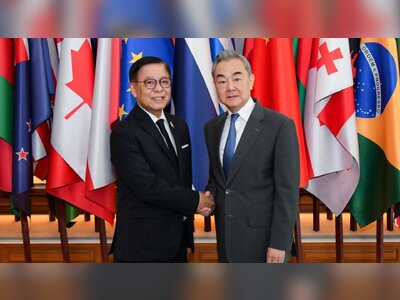
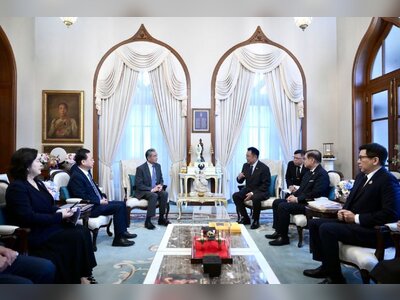
Officials have held discussions with Russia regarding potential oil and fertilizer supplies and have engaged China on logistical support and maritime passage concerns.
Beijing has also reported its own commercial exposure, with dozens of vessels affected by restricted movement through the same maritime corridor.
The key issue is the widening gap between Thailand’s strategic alignment with the United States and the perceived absence of crisis support during a period of acute economic stress.
Thailand hosts logistical infrastructure used by U.S. forces in the region, making its expectations for coordination during major regional disruptions historically high.
Shipping disruptions have compounded the crisis.
Maritime traffic through the Strait of Hormuz has faced intermittent blockages, security risks, and contested access conditions linked to the broader conflict.
Reports indicate that vessel movement has been unstable, with commercial operators facing delays, rerouting costs, and heightened insurance premiums.
Thailand’s internal economic impact has been significant.
Agricultural sectors, particularly rice and crop production, have been hit by rising fertilizer prices, while transport and industrial sectors face fuel cost volatility.
These pressures are feeding domestic political concern over supply resilience and energy diversification strategy.
The broader geopolitical implication is a gradual recalibration of Thailand’s external economic relationships.
Officials have framed the situation not as formal realignment, but as pragmatic diversification driven by necessity.
Engagement with Russia and China is being pursued alongside continued ties with the United States, but with increased emphasis on supply security rather than diplomatic alignment.
The result is a growing divide between geopolitical alignment and crisis response expectations, with Thailand actively adjusting its trade and energy sourcing strategy to stabilize domestic markets under sustained global disruption.
What is confirmed is that Thailand’s foreign minister, Sihasak Phuangketkeow, stated in an interview that the United States has not offered direct help to manage the economic consequences of the conflict.
He said Thai officials have not received concrete proposals or structured assistance from Washington beyond general comments encouraging countries to purchase American oil and gas as an alternative supply source.
The war has disrupted global energy and fertilizer supply chains, with particularly severe effects in Asia, which depends heavily on Middle Eastern imports.
Thailand has reported sharp increases in diesel prices and fertilizer costs, both critical to agriculture and transport.
The foreign minister linked these pressures directly to disrupted shipping routes and instability around the Strait of Hormuz, a vital chokepoint for global oil transit.
Faced with limited U.S. engagement, Thailand has begun expanding outreach to other major powers.
Officials have held discussions with Russia regarding potential oil and fertilizer supplies and have engaged China on logistical support and maritime passage concerns.
Beijing has also reported its own commercial exposure, with dozens of vessels affected by restricted movement through the same maritime corridor.
The key issue is the widening gap between Thailand’s strategic alignment with the United States and the perceived absence of crisis support during a period of acute economic stress.
Thailand hosts logistical infrastructure used by U.S. forces in the region, making its expectations for coordination during major regional disruptions historically high.
Shipping disruptions have compounded the crisis.
Maritime traffic through the Strait of Hormuz has faced intermittent blockages, security risks, and contested access conditions linked to the broader conflict.
Reports indicate that vessel movement has been unstable, with commercial operators facing delays, rerouting costs, and heightened insurance premiums.
Thailand’s internal economic impact has been significant.
Agricultural sectors, particularly rice and crop production, have been hit by rising fertilizer prices, while transport and industrial sectors face fuel cost volatility.
These pressures are feeding domestic political concern over supply resilience and energy diversification strategy.
The broader geopolitical implication is a gradual recalibration of Thailand’s external economic relationships.
Officials have framed the situation not as formal realignment, but as pragmatic diversification driven by necessity.
Engagement with Russia and China is being pursued alongside continued ties with the United States, but with increased emphasis on supply security rather than diplomatic alignment.
The result is a growing divide between geopolitical alignment and crisis response expectations, with Thailand actively adjusting its trade and energy sourcing strategy to stabilize domestic markets under sustained global disruption.