Thailand Shifts Tourism Strategy Toward High-Spending Visitors as Vietnam Intensifies Regional Competition
Bangkok is reworking its tourism model to prioritize higher-value travelers amid slowing mass-market growth and rising pressure from Vietnam’s rapidly expanding tourism sector.
A system-driven shift in Southeast Asia’s tourism market is forcing Thailand to fundamentally reorient its strategy, as intensifying regional competition—particularly from Vietnam—erodes its long-held dominance as the region’s primary mass tourism hub.
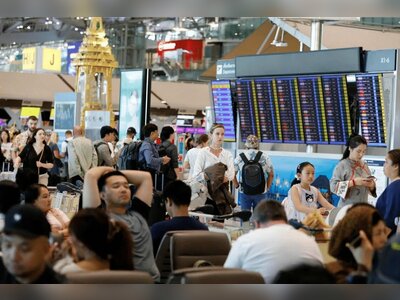
What is confirmed is that Thai tourism authorities are increasingly prioritizing high-yield travelers over volume-based recovery, marking a structural change in how the country measures success in its largest foreign-exchange-earning sector.
This policy direction has emerged in response to uneven post-pandemic recovery patterns, rising regional competition, and growing pressure on infrastructure in major Thai destinations such as Bangkok, Phuket, and Chiang Mai.
The key issue is not simply visitor numbers, but visitor composition.
Thailand’s tourism sector has historically relied on large inflows of mid-spending international tourists, particularly from China, Russia, and Europe.
That model has weakened since the pandemic disruption, with recovery proving uneven and increasingly sensitive to airfare costs, geopolitical instability, and shifting travel preferences.
At the same time, Vietnam has emerged as a structurally stronger competitor in the regional tourism race.
What is confirmed is that Vietnam has recorded rapid tourism growth in recent years, supported by aggressive visa liberalization, lower price levels, expanding hotel capacity, and heavy state-backed marketing.
Cities such as Da Nang, Ho Chi Minh City, and Hanoi have seen significant increases in international arrivals, particularly from South Korea, China, and India—segments that overlap directly with Thailand’s core markets.
This competitive pressure has forced Thailand to move away from a pure volume recovery strategy.
Instead, policymakers are now emphasizing high-yield tourism segments, including luxury travel, wellness and medical tourism, long-stay retirees, digital nomads, and premium experiential travel.
These segments generate higher per-capita spending, reduce infrastructure strain, and are less sensitive to seasonal volatility.
The mechanism behind this shift is economic rather than symbolic.
Thailand’s tourism industry remains a major contributor to GDP and employment, but marginal gains from mass tourism are diminishing.
Higher visitor numbers now often translate into congestion costs, environmental stress, and diminishing returns in popular destinations, particularly island and coastal regions that are already operating near capacity during peak seasons.
Vietnam’s rise has added urgency to this recalibration.
Its tourism sector benefits from a younger infrastructure base and more aggressive expansion of air connectivity.
It is also capturing price-sensitive travelers who might previously have chosen Thailand as a default destination.
This does not eliminate Thailand’s competitive advantages—such as its established hospitality sector and global brand recognition—but it narrows its pricing and positioning flexibility.
Thailand’s response includes targeted promotion campaigns aimed at higher-income markets in Europe, the Middle East, and North America, alongside efforts to increase spending per visitor through curated experiences, extended stays, and premium services.
Policy signals also suggest greater coordination between tourism authorities and private operators to upgrade service standards and diversify offerings beyond beach and nightlife tourism.
The broader implication is that Southeast Asia’s tourism hierarchy is no longer stable.
Thailand is not losing tourism outright, but it is being forced into a more selective competitive position where success is measured less by total arrivals and more by revenue per traveler.
This redefinition reflects a regional market entering a maturity phase, where growth is no longer evenly distributed but increasingly determined by value capture and differentiation rather than scale alone.
What is confirmed is that Thai tourism authorities are increasingly prioritizing high-yield travelers over volume-based recovery, marking a structural change in how the country measures success in its largest foreign-exchange-earning sector.
This policy direction has emerged in response to uneven post-pandemic recovery patterns, rising regional competition, and growing pressure on infrastructure in major Thai destinations such as Bangkok, Phuket, and Chiang Mai.
The key issue is not simply visitor numbers, but visitor composition.
Thailand’s tourism sector has historically relied on large inflows of mid-spending international tourists, particularly from China, Russia, and Europe.
That model has weakened since the pandemic disruption, with recovery proving uneven and increasingly sensitive to airfare costs, geopolitical instability, and shifting travel preferences.
At the same time, Vietnam has emerged as a structurally stronger competitor in the regional tourism race.
What is confirmed is that Vietnam has recorded rapid tourism growth in recent years, supported by aggressive visa liberalization, lower price levels, expanding hotel capacity, and heavy state-backed marketing.
Cities such as Da Nang, Ho Chi Minh City, and Hanoi have seen significant increases in international arrivals, particularly from South Korea, China, and India—segments that overlap directly with Thailand’s core markets.
This competitive pressure has forced Thailand to move away from a pure volume recovery strategy.
Instead, policymakers are now emphasizing high-yield tourism segments, including luxury travel, wellness and medical tourism, long-stay retirees, digital nomads, and premium experiential travel.
These segments generate higher per-capita spending, reduce infrastructure strain, and are less sensitive to seasonal volatility.
The mechanism behind this shift is economic rather than symbolic.
Thailand’s tourism industry remains a major contributor to GDP and employment, but marginal gains from mass tourism are diminishing.
Higher visitor numbers now often translate into congestion costs, environmental stress, and diminishing returns in popular destinations, particularly island and coastal regions that are already operating near capacity during peak seasons.
Vietnam’s rise has added urgency to this recalibration.
Its tourism sector benefits from a younger infrastructure base and more aggressive expansion of air connectivity.
It is also capturing price-sensitive travelers who might previously have chosen Thailand as a default destination.
This does not eliminate Thailand’s competitive advantages—such as its established hospitality sector and global brand recognition—but it narrows its pricing and positioning flexibility.
Thailand’s response includes targeted promotion campaigns aimed at higher-income markets in Europe, the Middle East, and North America, alongside efforts to increase spending per visitor through curated experiences, extended stays, and premium services.
Policy signals also suggest greater coordination between tourism authorities and private operators to upgrade service standards and diversify offerings beyond beach and nightlife tourism.
The broader implication is that Southeast Asia’s tourism hierarchy is no longer stable.
Thailand is not losing tourism outright, but it is being forced into a more selective competitive position where success is measured less by total arrivals and more by revenue per traveler.
This redefinition reflects a regional market entering a maturity phase, where growth is no longer evenly distributed but increasingly determined by value capture and differentiation rather than scale alone.