Thailand Tightens Cannabis-Hemp Extract Rules, Restricting Legal Use to Four Controlled Purposes
A new ministerial regulation effective April 2026 narrows cannabis and hemp extract use to tightly licensed medical, research, industrial, and enforcement purposes, marking a decisive shift from Thailand’s earlier liberalization.
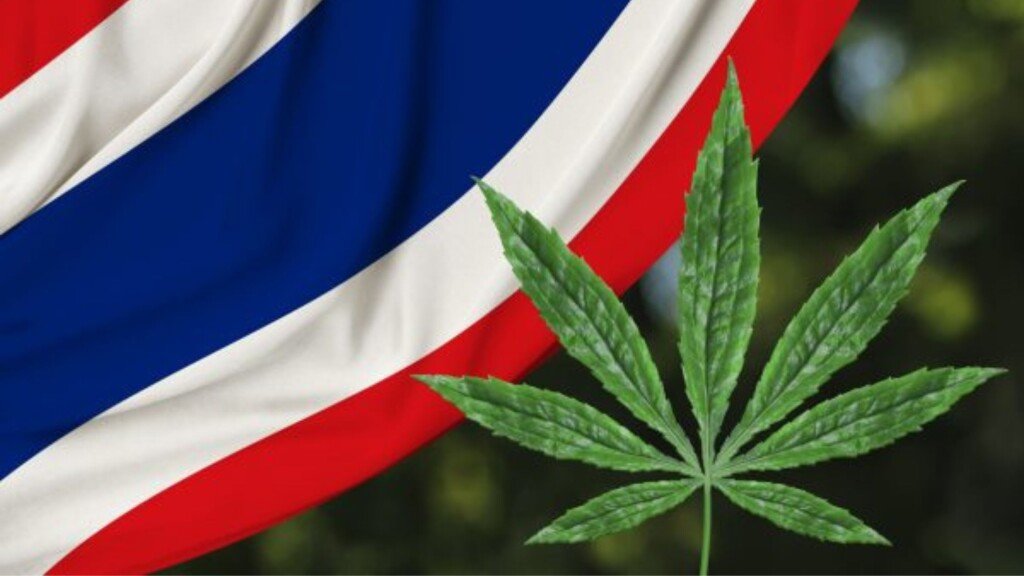
A system-driven regulatory overhaul in Thailand has redefined the legal boundaries of cannabis and hemp extracts, with a new ministerial regulation taking effect in April 2026 that restricts all controlled extracts containing higher levels of THC to four narrowly defined purposes.
The policy marks one of the most significant tightening measures since Thailand decriminalized cannabis in 2022, reshaping how the country’s rapidly expanded cannabis industry must now operate.
What is confirmed is that the regulation governs cannabis and hemp extracts containing more than 0.2 percent tetrahydrocannabinol (THC), the compound responsible for psychoactive effects.
These extracts remain classified as controlled narcotics and can now only be produced, imported, exported, sold, or possessed under licensing tied to four specific purposes: medical use, scientific or educational research, industrial applications, and government use for narcotics control and enforcement activities.
The framework replaces earlier, looser interpretations that had allowed broader commercial activity under medical justification.
The regulation, published in the Royal Gazette in late March 2026 and taking effect 30 days later, introduces a structured licensing system across the supply chain.
Only approved entities such as licensed medical producers, government agencies, or authorized industrial operators may participate.
Each stage—cultivation, extraction, transport, sale, and export—requires separate permissions, and operators must comply with strict reporting obligations, including batch testing of THC content and monthly reporting to regulators.
Packaging and facility labeling requirements are also mandatory, signaling a shift toward pharmaceutical-style oversight rather than agricultural commodity trade.
The key issue driving the change is the Thai government’s effort to reframe cannabis from a loosely regulated commercial market into a controlled medical and industrial sector aligned with international drug-control standards.
Authorities have explicitly linked the reform to the need for global acceptance of Thai products and to prevent exports or misuse that could violate laws in destination countries.
This reflects a broader policy correction following the rapid expansion of the domestic cannabis industry after decriminalization, which saw thousands of dispensaries and an uneven regulatory environment.
The impact of this tightening comes against a backdrop of political and regulatory volatility.
Thailand’s cannabis policy has shifted repeatedly since 2022, when cannabis was removed from the narcotics list except for high-THC extracts.
That change triggered a fast-growing retail sector, but also regulatory gaps and public concern over recreational use.
By 2025, the government had already begun reimposing restrictions on retail sales, requiring medical oversight and signaling a return toward prescription-based access.
Under the 2026 framework, the most visible consequence is the formal exclusion of recreational use from legal channels.
While the law does not eliminate cannabis-related commerce, it sharply narrows it.
Retail operators that once functioned as open dispensaries must now align with medical or healthcare licensing models, or transition out of the sector entirely.
Enforcement capacity has also been expanded, giving authorities broader inspection and compliance powers across cultivation sites, factories, and distribution points.
Economically, the shift is designed to stabilize and professionalize the cannabis sector rather than expand it.
The government has framed the policy as a pathway toward a regulated “health economy,” emphasizing pharmaceutical-grade extraction standards and controlled industrial use cases such as cosmetics, medical products, and scientific research.
At the same time, the tighter rules are expected to reduce the number of active operators and concentrate production among licensed entities capable of meeting compliance costs.
The result is a market that is no longer defined by rapid liberalization but by consolidation under strict regulatory oversight.
Thailand’s cannabis and hemp extract industry now operates within a framework that prioritizes controlled medical legitimacy and international compliance, fundamentally reshaping one of the country’s most volatile policy experiments in recent years.
The policy marks one of the most significant tightening measures since Thailand decriminalized cannabis in 2022, reshaping how the country’s rapidly expanded cannabis industry must now operate.
What is confirmed is that the regulation governs cannabis and hemp extracts containing more than 0.2 percent tetrahydrocannabinol (THC), the compound responsible for psychoactive effects.
These extracts remain classified as controlled narcotics and can now only be produced, imported, exported, sold, or possessed under licensing tied to four specific purposes: medical use, scientific or educational research, industrial applications, and government use for narcotics control and enforcement activities.
The framework replaces earlier, looser interpretations that had allowed broader commercial activity under medical justification.
The regulation, published in the Royal Gazette in late March 2026 and taking effect 30 days later, introduces a structured licensing system across the supply chain.
Only approved entities such as licensed medical producers, government agencies, or authorized industrial operators may participate.
Each stage—cultivation, extraction, transport, sale, and export—requires separate permissions, and operators must comply with strict reporting obligations, including batch testing of THC content and monthly reporting to regulators.
Packaging and facility labeling requirements are also mandatory, signaling a shift toward pharmaceutical-style oversight rather than agricultural commodity trade.
The key issue driving the change is the Thai government’s effort to reframe cannabis from a loosely regulated commercial market into a controlled medical and industrial sector aligned with international drug-control standards.
Authorities have explicitly linked the reform to the need for global acceptance of Thai products and to prevent exports or misuse that could violate laws in destination countries.
This reflects a broader policy correction following the rapid expansion of the domestic cannabis industry after decriminalization, which saw thousands of dispensaries and an uneven regulatory environment.
The impact of this tightening comes against a backdrop of political and regulatory volatility.
Thailand’s cannabis policy has shifted repeatedly since 2022, when cannabis was removed from the narcotics list except for high-THC extracts.
That change triggered a fast-growing retail sector, but also regulatory gaps and public concern over recreational use.
By 2025, the government had already begun reimposing restrictions on retail sales, requiring medical oversight and signaling a return toward prescription-based access.
Under the 2026 framework, the most visible consequence is the formal exclusion of recreational use from legal channels.
While the law does not eliminate cannabis-related commerce, it sharply narrows it.
Retail operators that once functioned as open dispensaries must now align with medical or healthcare licensing models, or transition out of the sector entirely.
Enforcement capacity has also been expanded, giving authorities broader inspection and compliance powers across cultivation sites, factories, and distribution points.
Economically, the shift is designed to stabilize and professionalize the cannabis sector rather than expand it.
The government has framed the policy as a pathway toward a regulated “health economy,” emphasizing pharmaceutical-grade extraction standards and controlled industrial use cases such as cosmetics, medical products, and scientific research.
At the same time, the tighter rules are expected to reduce the number of active operators and concentrate production among licensed entities capable of meeting compliance costs.
The result is a market that is no longer defined by rapid liberalization but by consolidation under strict regulatory oversight.
Thailand’s cannabis and hemp extract industry now operates within a framework that prioritizes controlled medical legitimacy and international compliance, fundamentally reshaping one of the country’s most volatile policy experiments in recent years.