Iran Conflict Ripples Into Global Food System as Fertilizer and Fuel Costs Surge Across Asia
A Middle East war-driven shock to shipping routes and energy markets is pushing up fertilizer, fuel, and food production costs, with knock-on effects now reaching Asian agriculture and consumer prices.
An event-driven disruption in global energy and shipping routes caused by the ongoing Iran conflict is now transmitting through the world’s agricultural supply chains, raising costs for farmers and gradually feeding into higher food prices across Asia and other import-dependent regions.
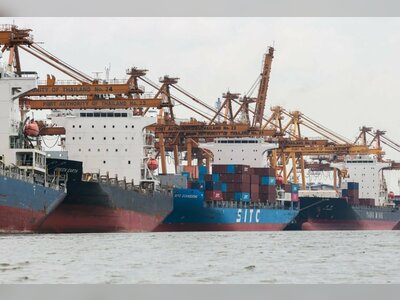
What is confirmed is that the conflict has significantly disrupted key maritime corridors, particularly the Strait of Hormuz, a critical passage for global oil, gas, and fertilizer trade.
This disruption has triggered a sharp increase in energy prices and constrained the flow of agricultural inputs that depend heavily on natural gas and oil-based production systems.
The key mechanism linking the conflict to food prices is the fertilizer-energy nexus.
Modern agriculture depends on nitrogen-based fertilizers such as urea and ammonia, whose production is highly energy-intensive.
As global gas and oil prices rise due to supply insecurity and rerouted shipping, fertilizer production costs increase in parallel.
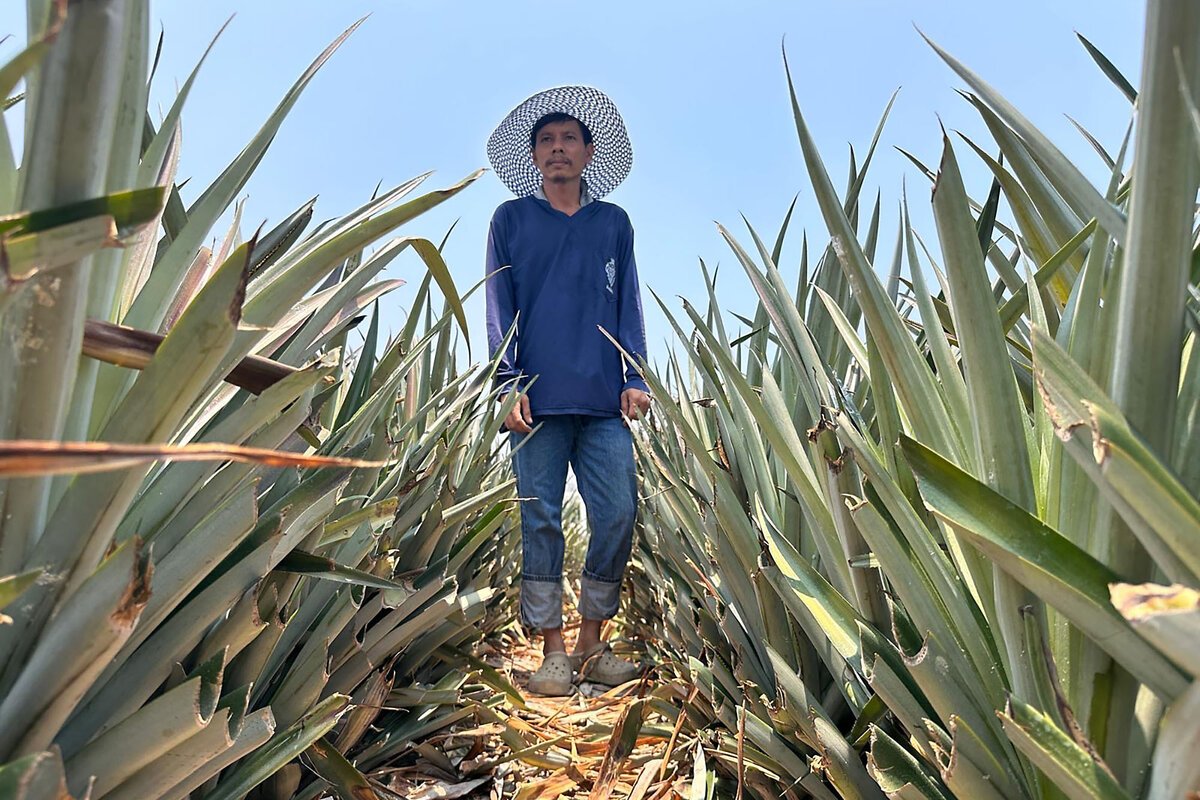
This cost pressure is now being transmitted to farmers in Asia, Latin America, and parts of Africa that rely heavily on imported fertilizers.
Recent market assessments indicate that fertilizer prices have surged significantly since the escalation of the conflict, with some core inputs rising by double-digit percentages.
This is not merely a short-term price spike but a structural input shock: farmers must either absorb higher costs or reduce fertilizer application, which can lower crop yields in the next planting cycles.
At the same time, global food prices have begun to respond, though unevenly.
Wheat and other staple crops have shown moderate increases, while broader food price indices have moved upward at a slower pace.
The lag between input costs and retail food prices means that much of the impact is still working its way through the system rather than fully appearing on supermarket shelves.
Asia is particularly exposed because many countries in the region are net importers of both food and fertilizers.
Nations such as India, Pakistan, Indonesia, and the Philippines rely heavily on international markets for agricultural inputs.
As shipping costs rise and fertilizer availability tightens, governments are already moving to secure alternative supply contracts and stabilize domestic markets, sometimes at higher procurement prices.
The broader economic effect is a redistribution of pressure through the global food system rather than a uniform price spike.
Exporting countries with strong domestic fertilizer production or energy reserves are better insulated, while import-dependent developing economies face the most immediate strain.
This creates uneven inflationary pressure across regions, with the most vulnerable populations spending a larger share of income on food.
Although global grain stocks remain relatively stable and no immediate supply shortage is evident, analysts emphasize that sustained disruption to fertilizer and energy markets could reduce agricultural output in the next production cycles.
That would shift the current inflationary pressure from cost-driven increases to supply-driven scarcity, which is historically more persistent and harder to reverse.
The result is a delayed but widening transmission of geopolitical risk into everyday consumption.
What began as a regional military conflict has evolved into a global input-cost shock that is now embedded in the pricing structure of food systems, with the most visible effects still ahead rather than fully realized.
What is confirmed is that the conflict has significantly disrupted key maritime corridors, particularly the Strait of Hormuz, a critical passage for global oil, gas, and fertilizer trade.
This disruption has triggered a sharp increase in energy prices and constrained the flow of agricultural inputs that depend heavily on natural gas and oil-based production systems.
The key mechanism linking the conflict to food prices is the fertilizer-energy nexus.
Modern agriculture depends on nitrogen-based fertilizers such as urea and ammonia, whose production is highly energy-intensive.
As global gas and oil prices rise due to supply insecurity and rerouted shipping, fertilizer production costs increase in parallel.
This cost pressure is now being transmitted to farmers in Asia, Latin America, and parts of Africa that rely heavily on imported fertilizers.
Recent market assessments indicate that fertilizer prices have surged significantly since the escalation of the conflict, with some core inputs rising by double-digit percentages.
This is not merely a short-term price spike but a structural input shock: farmers must either absorb higher costs or reduce fertilizer application, which can lower crop yields in the next planting cycles.
At the same time, global food prices have begun to respond, though unevenly.
Wheat and other staple crops have shown moderate increases, while broader food price indices have moved upward at a slower pace.
The lag between input costs and retail food prices means that much of the impact is still working its way through the system rather than fully appearing on supermarket shelves.
Asia is particularly exposed because many countries in the region are net importers of both food and fertilizers.
Nations such as India, Pakistan, Indonesia, and the Philippines rely heavily on international markets for agricultural inputs.
As shipping costs rise and fertilizer availability tightens, governments are already moving to secure alternative supply contracts and stabilize domestic markets, sometimes at higher procurement prices.
The broader economic effect is a redistribution of pressure through the global food system rather than a uniform price spike.
Exporting countries with strong domestic fertilizer production or energy reserves are better insulated, while import-dependent developing economies face the most immediate strain.
This creates uneven inflationary pressure across regions, with the most vulnerable populations spending a larger share of income on food.
Although global grain stocks remain relatively stable and no immediate supply shortage is evident, analysts emphasize that sustained disruption to fertilizer and energy markets could reduce agricultural output in the next production cycles.
That would shift the current inflationary pressure from cost-driven increases to supply-driven scarcity, which is historically more persistent and harder to reverse.
The result is a delayed but widening transmission of geopolitical risk into everyday consumption.
What began as a regional military conflict has evolved into a global input-cost shock that is now embedded in the pricing structure of food systems, with the most visible effects still ahead rather than fully realized.