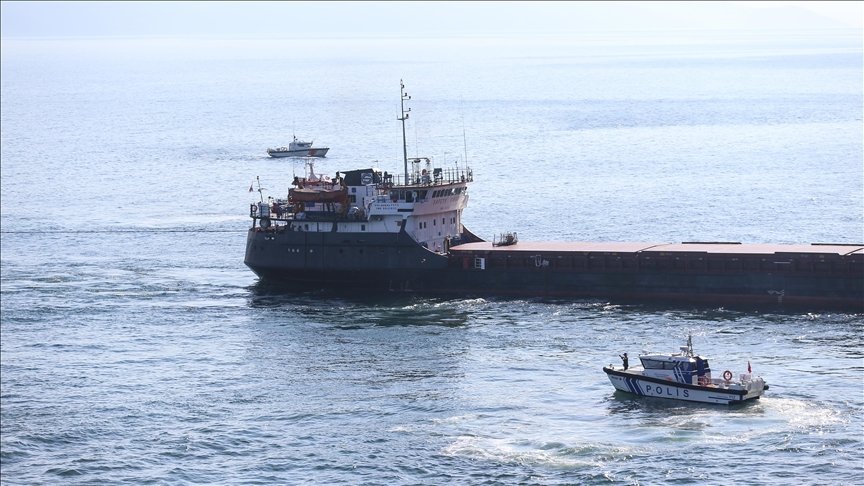
Thai Authorities Race to Contain Oil Spill After Cargo Ship Sinks Off Phuket Coast
Rescue teams saved all crew and now focus on cleanup and environmental protection as oil slick spreads in the Andaman Sea
Thai authorities are engaged in intensive efforts to contain an oil spill and mitigate environmental risks after a Panama-flagged cargo ship sank off the coast of Phuket in the Andaman Sea, prompting concerns about marine pollution and navigation hazards.
The vessel, SEALLOYD ARC, which was en route from Port Klang in Malaysia to Chattogram in Bangladesh, began listing sharply on February 7 and eventually sank a few kilometres off the island’s busy tourist shores after taking on water and issuing a distress call.
All 16 crew members were successfully rescued by Thai maritime forces and brought ashore in Phuket in good health.
The SEALLOYD ARC had been carrying nearly three hundred containers, including a number of hazardous materials, when it went down, and aerial surveys have revealed a substantial oil slick stretching several kilometres westward and remaining more than a mile wide.
While officials have confirmed that no oil has yet reached Phuket’s beaches, the spill’s size has led to its classification as a large-scale incident, and emergency response units have been mobilised to contain and remove the oil and address potential threats to marine ecosystems and shipping lanes.
Efforts to manage the spill and the wreck site involve naval vessels, patrol boats and reconnaissance aircraft monitoring the slick and deploying containment measures, while salvage planning is concurrently underway.
Floating containers and debris from the sunken ship also pose hazards to other vessels in the area, prompting navigational warnings for mariners.
Authorities are coordinating the collection and tagging of debris and preparing for extended cleanup operations as forecast conditions influence the slick’s movement.
Environmental officials and disaster response teams are working to limit the spill’s impact on the Andaman Sea’s sensitive waters, which support fisheries, tourism and biodiversity.
Surveys and response strategies are expected to continue in the coming days, with the priority to prevent shoreline contamination and to protect coastal habitats.
The incident underscores the challenges of maritime safety and environmental protection in one of Thailand’s busiest sea routes.
The vessel, SEALLOYD ARC, which was en route from Port Klang in Malaysia to Chattogram in Bangladesh, began listing sharply on February 7 and eventually sank a few kilometres off the island’s busy tourist shores after taking on water and issuing a distress call.
All 16 crew members were successfully rescued by Thai maritime forces and brought ashore in Phuket in good health.
The SEALLOYD ARC had been carrying nearly three hundred containers, including a number of hazardous materials, when it went down, and aerial surveys have revealed a substantial oil slick stretching several kilometres westward and remaining more than a mile wide.
While officials have confirmed that no oil has yet reached Phuket’s beaches, the spill’s size has led to its classification as a large-scale incident, and emergency response units have been mobilised to contain and remove the oil and address potential threats to marine ecosystems and shipping lanes.
Efforts to manage the spill and the wreck site involve naval vessels, patrol boats and reconnaissance aircraft monitoring the slick and deploying containment measures, while salvage planning is concurrently underway.
Floating containers and debris from the sunken ship also pose hazards to other vessels in the area, prompting navigational warnings for mariners.
Authorities are coordinating the collection and tagging of debris and preparing for extended cleanup operations as forecast conditions influence the slick’s movement.
Environmental officials and disaster response teams are working to limit the spill’s impact on the Andaman Sea’s sensitive waters, which support fisheries, tourism and biodiversity.
Surveys and response strategies are expected to continue in the coming days, with the priority to prevent shoreline contamination and to protect coastal habitats.
The incident underscores the challenges of maritime safety and environmental protection in one of Thailand’s busiest sea routes.