Thai Culinary Diplomacy Expands in the U.S. as Atlanta Emerges as a Key Cultural Hub
A visit by Thailand’s ambassador highlights how food has become a strategic tool of soft power, linking royal-backed cultural branding with growing Thai restaurant ecosystems abroad.
Thailand’s use of food as a form of cultural diplomacy has become a structured component of its international engagement strategy, and the Thai restaurant scene in major U.S. cities is increasingly operating within that framework.
The central development highlighted in this case is not a single event, but the broader institutional effort by Thai diplomatic missions to promote Thai cuisine as an extension of national identity and economic influence.
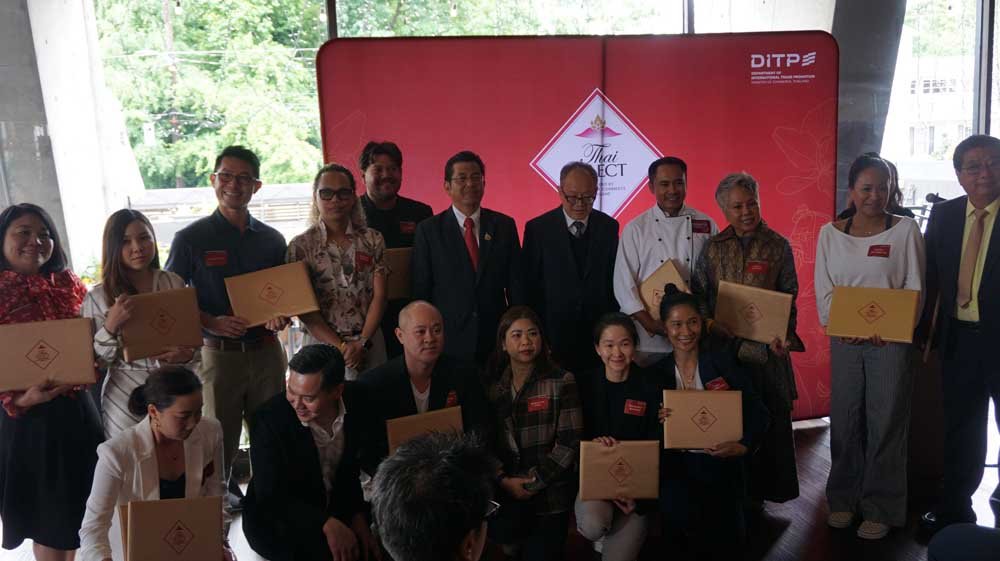
Thai embassies and ambassadors regularly support initiatives that certify authenticity, promote culinary standards, and strengthen recognition of Thai cuisine abroad.
These efforts are often connected to state-backed cultural branding programs designed to increase global visibility for Thai food, tourism, and agricultural exports.
Within this system, restaurant recognition is not merely commercial; it functions as a soft-power instrument tied to national image-building.
Atlanta has emerged as one of several U.S. cities where Thai restaurants have grown in both number and diversity, reflecting broader immigration patterns, regional economic expansion, and increased American demand for Southeast Asian cuisine.
The city’s restaurant ecosystem includes a mix of long-established family-run businesses and newer ventures that align with contemporary dining trends emphasizing regional authenticity and culinary specialization.
The presence of diplomatic engagement in such markets typically serves multiple objectives.
It reinforces cultural legitimacy for Thai businesses abroad, strengthens diaspora ties, and supports export ecosystems connected to Thai ingredients and food products.
It also enhances bilateral visibility in non-political domains, allowing cultural identity to operate as a stabilizing and positive channel of international relations.
The reference to a "royal seal of approval" reflects Thailand’s unique structure of cultural authority, where the monarchy, state institutions, and diplomatic bodies are often symbolically linked in the promotion of national heritage.
In practice, this does not imply direct commercial endorsement of individual restaurants, but rather a broader association with official cultural branding frameworks that certify authenticity or promote Thai culinary standards internationally.
The stakes of such initiatives are economic as well as cultural.
Thai cuisine is one of the country’s most successful global exports, supporting agricultural supply chains, food processing industries, and tourism branding.
In overseas markets, recognition programs and diplomatic promotion can influence consumer perception, restaurant competitiveness, and the premium placed on authentic ingredients.
At the same time, the expansion of Thai dining abroad raises structural questions about authenticity, adaptation, and commercialization.
As Thai cuisine becomes embedded in global urban markets, it evolves in response to local tastes while also facing institutional efforts to preserve traditional standards through certification and branding.
The Atlanta example fits into a broader global pattern in which governments increasingly treat food culture as a strategic asset.
Rather than being confined to informal diaspora networks, cuisine is now integrated into formal diplomatic outreach, where ambassadors, trade officials, and cultural agencies collaborate to shape international perception of national identity through everyday consumer experiences.
The immediate consequence of this approach is the continued strengthening of Thai culinary visibility in the United States, alongside increased institutional recognition of restaurants as cultural intermediaries rather than purely commercial entities.
The central development highlighted in this case is not a single event, but the broader institutional effort by Thai diplomatic missions to promote Thai cuisine as an extension of national identity and economic influence.
Thai embassies and ambassadors regularly support initiatives that certify authenticity, promote culinary standards, and strengthen recognition of Thai cuisine abroad.
These efforts are often connected to state-backed cultural branding programs designed to increase global visibility for Thai food, tourism, and agricultural exports.
Within this system, restaurant recognition is not merely commercial; it functions as a soft-power instrument tied to national image-building.
Atlanta has emerged as one of several U.S. cities where Thai restaurants have grown in both number and diversity, reflecting broader immigration patterns, regional economic expansion, and increased American demand for Southeast Asian cuisine.
The city’s restaurant ecosystem includes a mix of long-established family-run businesses and newer ventures that align with contemporary dining trends emphasizing regional authenticity and culinary specialization.
The presence of diplomatic engagement in such markets typically serves multiple objectives.
It reinforces cultural legitimacy for Thai businesses abroad, strengthens diaspora ties, and supports export ecosystems connected to Thai ingredients and food products.
It also enhances bilateral visibility in non-political domains, allowing cultural identity to operate as a stabilizing and positive channel of international relations.
The reference to a "royal seal of approval" reflects Thailand’s unique structure of cultural authority, where the monarchy, state institutions, and diplomatic bodies are often symbolically linked in the promotion of national heritage.
In practice, this does not imply direct commercial endorsement of individual restaurants, but rather a broader association with official cultural branding frameworks that certify authenticity or promote Thai culinary standards internationally.
The stakes of such initiatives are economic as well as cultural.
Thai cuisine is one of the country’s most successful global exports, supporting agricultural supply chains, food processing industries, and tourism branding.
In overseas markets, recognition programs and diplomatic promotion can influence consumer perception, restaurant competitiveness, and the premium placed on authentic ingredients.
At the same time, the expansion of Thai dining abroad raises structural questions about authenticity, adaptation, and commercialization.
As Thai cuisine becomes embedded in global urban markets, it evolves in response to local tastes while also facing institutional efforts to preserve traditional standards through certification and branding.
The Atlanta example fits into a broader global pattern in which governments increasingly treat food culture as a strategic asset.
Rather than being confined to informal diaspora networks, cuisine is now integrated into formal diplomatic outreach, where ambassadors, trade officials, and cultural agencies collaborate to shape international perception of national identity through everyday consumer experiences.
The immediate consequence of this approach is the continued strengthening of Thai culinary visibility in the United States, alongside increased institutional recognition of restaurants as cultural intermediaries rather than purely commercial entities.