Thai Royal Visit to Sweden Elevates Diplomatic Spotlight on King Carl XVI Gustaf’s 80th Birthday Celebrations
Thailand’s King and Queen are set to attend high-level royal ceremonies in Stockholm, underscoring expanding ceremonial diplomacy as Europe’s monarchies gather for a milestone state event
ACTOR-DRIVEN dynamics define the unfolding diplomatic and ceremonial moment as Thailand’s monarchy prepares to join a concentrated gathering of European and global royals in Sweden for King Carl XVI Gustaf’s 80th birthday celebrations.
The visit places Thailand’s royal family at the center of one of the most symbolically dense royal events of the year, where ceremonial protocol and international visibility intersect.
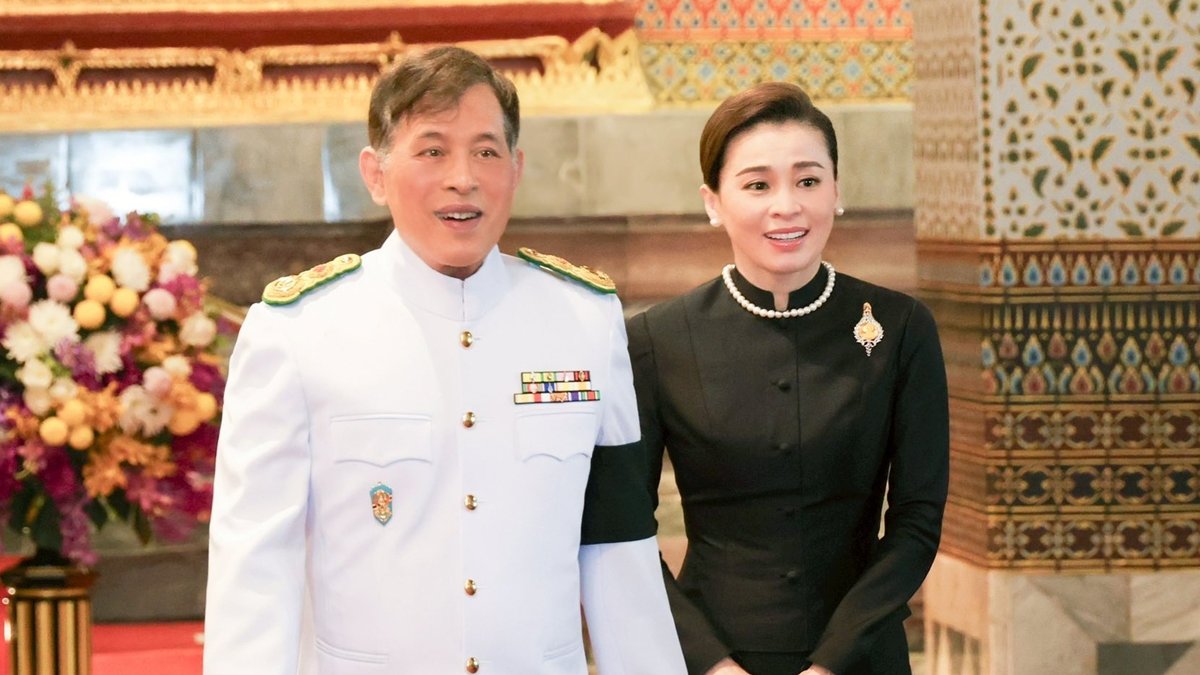
What is confirmed is that Thailand’s King Maha Vajiralongkorn and Queen Suthida will make an official visit to Sweden from late April to early May 2026, at the invitation of King Carl XVI Gustaf.
The trip is scheduled to align directly with the Swedish monarch’s 80th birthday on April 30, a milestone marked by state-level ceremonies in Stockholm involving foreign royals, heads of state, and institutional representatives from across Europe and beyond.
The program is structured around tightly sequenced state and ceremonial events in the Swedish capital.
It begins with formal gatherings at the Royal Palace, including an informal diplomatic dinner for attending leaders and royal guests.
On the birthday itself, the schedule includes a thanksgiving service in the Royal Chapel, a military ceremonial display in the palace grounds, and public tributes in central Stockholm.
These events culminate in a formal state banquet hosted by the Swedish monarch in the evening, bringing together the full spectrum of invited dignitaries.
The significance of the Thai participation extends beyond protocol attendance.
Thailand’s monarchy is expected to be among the most senior non-European royal houses present, placing it within a rare multilateral royal setting where European dynasties and selected global monarchies converge.
Confirmed guest lists also include reigning and former European monarchs from Denmark, Norway, Spain, Belgium, Luxembourg, and Serbia, reinforcing the event’s status as one of the largest royal assemblies in recent years.
The Swedish monarch, who has reigned since 1973, is marking one of the major milestone anniversaries of his reign, which is now more than five decades long.
The 80th birthday celebrations are designed not only as a personal milestone but also as a demonstration of continuity in Sweden’s constitutional monarchy, which operates in a strictly ceremonial capacity within a parliamentary system.
For Thailand, the visit carries layered diplomatic meaning.
While framed publicly as participation in a foreign royal celebration, it also functions as high-level soft power engagement, reinforcing bilateral ties with Sweden and signaling Thailand’s continued presence in European ceremonial diplomacy.
The visibility of the Thai monarchs alongside European royal houses underscores a shared tradition of dynastic continuity that operates outside formal political structures but remains influential in symbolic state relations.
The broader implications of the gathering reflect a recurring pattern in modern monarchy: ceremonial events increasingly function as informal diplomatic hubs.
They bring together heads of state and royal families in controlled, non-negotiating environments where relationships are reinforced through visibility, tradition, and protocol rather than policy.
In Stockholm, the convergence of multiple royal households around a single state occasion highlights how monarchy still operates as a parallel diplomatic language.
While no formal political agreements are expected to emerge from the event, the presence of Thailand’s monarchy among European royal institutions signals continuity in long-standing ties and sustained engagement in elite ceremonial networks that remain globally visible despite their non-executive role.
The visit concludes as the Thai royal delegation returns following the series of Stockholm ceremonies, closing a tightly timed diplomatic cycle centered on one of Europe’s most significant royal anniversaries in 2026.
The visit places Thailand’s royal family at the center of one of the most symbolically dense royal events of the year, where ceremonial protocol and international visibility intersect.
What is confirmed is that Thailand’s King Maha Vajiralongkorn and Queen Suthida will make an official visit to Sweden from late April to early May 2026, at the invitation of King Carl XVI Gustaf.
The trip is scheduled to align directly with the Swedish monarch’s 80th birthday on April 30, a milestone marked by state-level ceremonies in Stockholm involving foreign royals, heads of state, and institutional representatives from across Europe and beyond.
The program is structured around tightly sequenced state and ceremonial events in the Swedish capital.
It begins with formal gatherings at the Royal Palace, including an informal diplomatic dinner for attending leaders and royal guests.
On the birthday itself, the schedule includes a thanksgiving service in the Royal Chapel, a military ceremonial display in the palace grounds, and public tributes in central Stockholm.
These events culminate in a formal state banquet hosted by the Swedish monarch in the evening, bringing together the full spectrum of invited dignitaries.
The significance of the Thai participation extends beyond protocol attendance.
Thailand’s monarchy is expected to be among the most senior non-European royal houses present, placing it within a rare multilateral royal setting where European dynasties and selected global monarchies converge.
Confirmed guest lists also include reigning and former European monarchs from Denmark, Norway, Spain, Belgium, Luxembourg, and Serbia, reinforcing the event’s status as one of the largest royal assemblies in recent years.
The Swedish monarch, who has reigned since 1973, is marking one of the major milestone anniversaries of his reign, which is now more than five decades long.
The 80th birthday celebrations are designed not only as a personal milestone but also as a demonstration of continuity in Sweden’s constitutional monarchy, which operates in a strictly ceremonial capacity within a parliamentary system.
For Thailand, the visit carries layered diplomatic meaning.
While framed publicly as participation in a foreign royal celebration, it also functions as high-level soft power engagement, reinforcing bilateral ties with Sweden and signaling Thailand’s continued presence in European ceremonial diplomacy.
The visibility of the Thai monarchs alongside European royal houses underscores a shared tradition of dynastic continuity that operates outside formal political structures but remains influential in symbolic state relations.
The broader implications of the gathering reflect a recurring pattern in modern monarchy: ceremonial events increasingly function as informal diplomatic hubs.
They bring together heads of state and royal families in controlled, non-negotiating environments where relationships are reinforced through visibility, tradition, and protocol rather than policy.
In Stockholm, the convergence of multiple royal households around a single state occasion highlights how monarchy still operates as a parallel diplomatic language.
While no formal political agreements are expected to emerge from the event, the presence of Thailand’s monarchy among European royal institutions signals continuity in long-standing ties and sustained engagement in elite ceremonial networks that remain globally visible despite their non-executive role.
The visit concludes as the Thai royal delegation returns following the series of Stockholm ceremonies, closing a tightly timed diplomatic cycle centered on one of Europe’s most significant royal anniversaries in 2026.